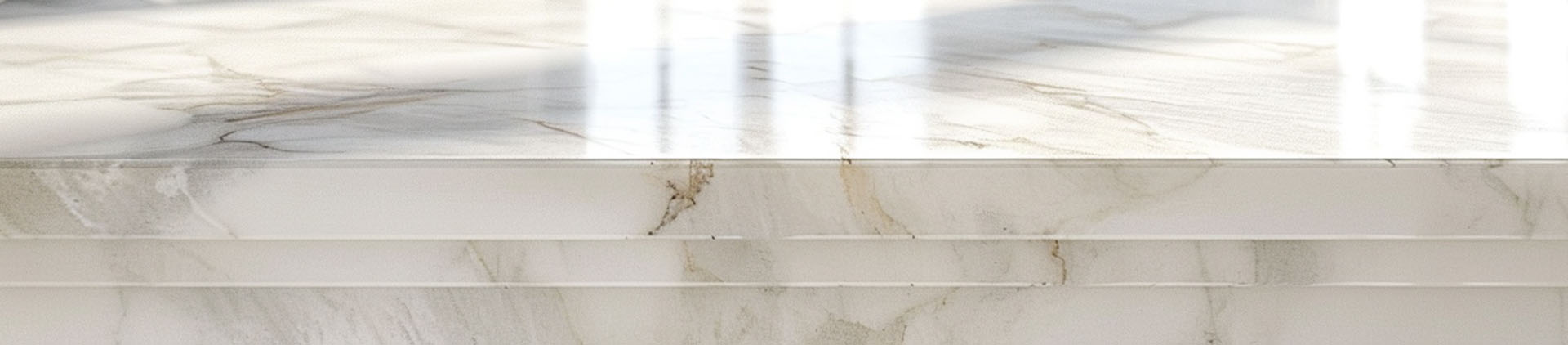
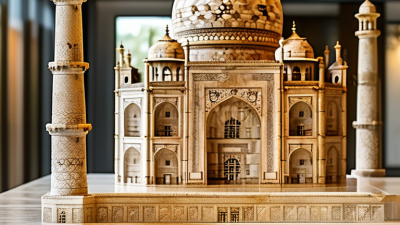
Artificial Translucent Stone is basically an engineered surface designed to transmit, soften, or diffuse light in a really cool way. It’s usually made from a mix of resin, mineral powder, acrylic, or recycled glass. Unlike natural onyx, you can actually control the colors and patterns more consistently with this stuff, which is pretty handy. That said, it’s not 100% standardized across the board—product names can sometimes hide important differences, so it’s worth digging a little deeper.
Daniel Mercer, an architectural surface consultant with over fifteen years of experience in fabrication, always says, "Light reveals the material’s true quality." And honestly, he's onto something. A white panel might look pretty dull and ordinary in daylight, but then it can glow warmly when lit up with a 3000K LED strip. But here’s the thing—if sheets aren’t matched well, you might end up seeing dark seams, uneven brightness, or even support frames that are visible, which can be pretty annoying.
In this guide, I’ll explain what Artificial Translucent Stone really is and where you can buy it safely. We’ll compare common materials, thicknesses, finishes, and what kind of lighting setups work best. Plus, I’ll give you some practical tips—like how to choose the right supplier, request samples, and check technical documents. For example, if you’re using it in a bathroom vanity, you’ll probably want something with stronger moisture resistance. If it’s for a restaurant counter, stain protection and impact resistance might be more important. And if you’re going for a decorative wall, light diffusion could be your top priority.
When shopping around, it’s a good idea to look at specialized fabricators, architectural material distributors, and reputable brands such as Aristech Surfaces, Lumicor, or Caesarstone. Availability really depends on where you’re located. And definitely ask for a physical sample—screens and photos can sometimes be misleading.
Make sure to check important details like fire ratings, warranty info, indoor use limitations, and installation instructions. Find out if the panel can be cut, drilled, polished, or edge-lit without any issues. Keep in mind, some products look super luxurious but can be tricky to repair if something goes wrong—that’s an easy one to overlook. Ultimately, a smart purchase starts with planning your lighting first, rather than just relying on a fancy showroom photo.
Definition and Basic Characteristics of Artificial Translucent Stone
Artificial translucent stone is an engineered decorative surface that allows light to pass through part of its body. It is commonly made from resin, mineral fillers, acrylic compounds, or glass-like particles. Unlike natural stone, its color and pattern are usually controlled during production. The result can resemble frosted marble, colored glass, or softly glowing concrete. Its transparency depends on thickness, pigment density, surface texture, and the light behind it.
Key characteristics include consistent sizing, flexible design options, and relatively simple cleaning. Some panels resist moisture well, making them suitable for reception walls, counters, bathroom features, and furniture fronts. However, resistance to heat, scratching, and ultraviolet exposure can vary greatly. A polished surface may show fingerprints or fine marks more easily. I would not treat every glowing panel as equal. Product specifications and installation records matter more than attractive photographs.
Tips: Request a physical sample before buying. Place it over warm and cool lighting. Check the front and back surfaces for uneven color, bubbles, or visible seams. Ask the seller about thickness, cutting methods, heat limits, and indoor-use restrictions. Specialist surface suppliers, local fabricators, and reputable building-material distributors are practical purchasing options. A sample may look perfect in daylight but appear harsh under strong LEDs. That detail is easy to miss.
Key Materials Used in Artificial Translucent Stone
Artificial translucent stone is a manufactured surface that allows light to pass through selected areas. Its appearance depends on the materials inside, not only on color. The main binder is usually acrylic, polyester, or epoxy resin. Mineral fillers, such as alumina trihydrate, calcium carbonate, and silica, add body and improve surface hardness. Transparent glass chips or fine reflective particles can create depth, like light trapped beneath frosted ice.
A 2024 Grand View Research report estimated the global engineered stone market at more than USD 25 billion, with continued growth expected through 2030. This demand reflects wider use in reception desks, wall panels, counters, and decorative lighting features. Acrylic-based sheets are easier to thermoform and often produce smoother edges. Polyester resin can reduce costs, but its color stability may vary under strong ultraviolet exposure. Silica-based formulations can look elegant, yet fabrication requires careful dust control. Material selection is rarely perfect.
Tips: Ask for a full-size sample, not only a small color chip. Place it behind warm and cool lighting. Check the technical sheet for resin type, filler percentage, fire performance, water absorption, and ultraviolet resistance. Buy through a qualified stone fabricator, architectural-material distributor, or direct manufacturer with traceable test documents. Also inspect the rear surface. Uneven translucency may become obvious after backlighting.
How Artificial Translucent Stone Is Manufactured
Artificial translucent stone is made from mineral fillers, resin, pigments, and light-diffusing additives. Quartz powder, glass particles, or alumina may create different visual effects. The manufacturing process begins with careful material grading. Finer particles usually produce a smoother surface.
Workers blend the fillers with resin and colorants in controlled proportions. Vacuum mixing removes trapped air and reduces pinholes. The mixture then enters a mold or casting line. Pressure and vibration help distribute particles evenly. After curing, the slab receives heat treatment, calibration, cutting, and polishing. Some panels need another translucent coating.
A 2024 Grand View Research report valued the global engineered stone market at about USD 27.4 billion in 2023. It also forecast roughly 6.3% annual growth through 2030. These figures cover more than translucent products, but they show strong demand for engineered surfaces. Manufacturing consistency still varies between factories. That matters.
Tips: Request a physical sample, not only a digital image. Place it near daylight and warm indoor lighting. Check for bubbles, uneven color, edge chipping, and visible repair marks. Ask the supplier about resin type, thickness tolerance, curing conditions, and batch testing. A glossy sample can hide weaknesses. Also, confirm whether the fabricator can cut openings without exposing rough filler. Local stone fabricators, architectural-surface distributors, and specialist interior-material showrooms are practical buying channels.
Main Types and Surface Finishes Available
Artificial translucent stone is an engineered material made from resin, mineral fillers, acrylic, or glass-like compounds. Its main appeal is light transmission, especially in counters, wall panels, reception desks, and decorative screens. The result can resemble marble, onyx, or colored glass without relying on natural stone alone.
Several types suit different projects. Acrylic translucent stone is lightweight, easy to shape, and often produces smooth, even lighting. Resin-based panels can include chips, veins, shells, or metallic details for stronger visual depth. Mineral-filled slabs feel more stone-like and usually offer better surface hardness. Thin engineered quartz may transmit limited light, but its effect depends heavily on thickness and composition. Do not assume every pale slab is backlightable.
Surface finish changes both appearance and maintenance. A high-gloss polish gives sharper reflections and makes veins look deeper. Honed or matte finishes reduce glare and feel calmer under strong lighting. Textured finishes add touchable detail, but dust may collect in shallow grooves. Brushed or lightly sanded surfaces can hide fingerprints better. They may also soften the visual brightness.
Buy through a qualified architectural-surface distributor, stone fabricator, or specialist interior-material supplier. Ask for a full-size sample, technical data, fire information, care instructions, and confirmed light-transmission results. Test the sample with the exact LED color and distance planned for installation. This matters. Even experienced designers can misjudge the final glow. A small sample may look beautiful, while a large panel appears uneven. Check joints, edge treatments, repair options, and installation support before paying.
What Is Artificial Translucent Stone and Where to Buy It?
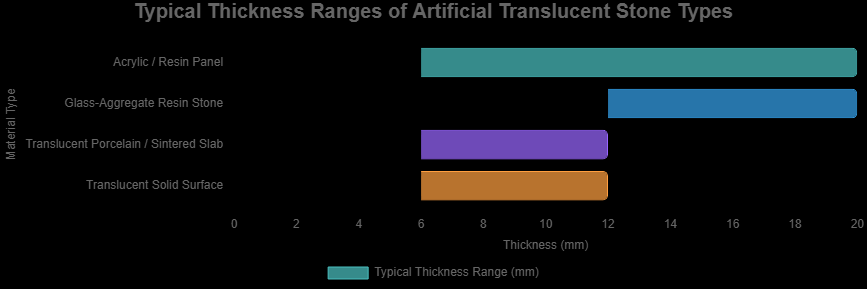
Artificial translucent stone is a manufactured surface material designed to transmit or diffuse light. Common options include resin-based panels, glass-aggregate slabs, translucent porcelain, and solid-surface sheets. Thickness varies by material and application.
Main Types and Surface Finishes
Polished and high-gloss finishes maximize light reflection, while honed, satin, matte, and textured finishes create softer visual effects. When buying, confirm the slab thickness, light-transmission performance, edge treatment, and whether the material is suitable for backlighting.
Common Applications in Interior and Architectural Design
What Is Artificial Translucent Stone and Where to Buy It?
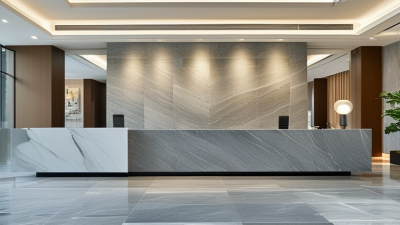
Artificial translucent stone is an engineered surface made from mineral fillers, resin, or acrylic compounds. It allows light to pass through while retaining a stone-like appearance. In interior design, designers use it for illuminated feature walls, reception desks, bar fronts, stair panels, and bathroom partitions. A warm LED layer behind the panel can create a soft glow, similar to sunlight through thin alabaster.
The material works especially well in hospitality, retail, and residential interiors. It can define a focal wall without adding heavy visual mass. According to Dodge Construction Network’s 2023 World Green Building Trends report, 89% of surveyed professionals expected green building activity to increase. This supports demand for durable, efficient design materials, although translucency alone does not prove sustainability. That distinction matters.
89% of surveyed professionals expected green building activity to increase.
In architectural projects, translucent stone may appear in elevator lobbies, façade accents, ceiling panels, and daylight-enhancing partitions. Always check fire performance, slip resistance, moisture tolerance, UV stability, and maintenance requirements. Some panels look impressive in a sample but feel too artificial across a large wall. Lighting tests are essential.
Buy through qualified architectural-material distributors, stone fabricators, or specialist surface suppliers. Request a full-size sample, technical data sheet, installation guidance, and test certificates before ordering. The International Energy Agency reports that buildings consume about 30% of global final energy, so efficient LED lighting and sensible installation design deserve equal attention.
Benefits and Limitations Compared with Natural Stone
Artificial translucent stone is a manufactured surface made from resin, mineral fillers, acrylic, or glass particles. It is not one material. Its main appeal is controlled light transmission, consistent color, and easier fabrication than many natural stones. Backlighting can create a soft glow through a reception desk, shower panel, or kitchen island.
Grand View Research valued the global engineered stone market at approximately USD 26.4 billion in 2023. It projects a compound annual growth rate of about 5.6% from 2024 to 2030. This growth reflects demand for uniform surfaces and flexible interior applications. Compared with natural stone, translucent stone usually offers predictable thickness, fewer natural flaws, and simpler color matching. Some damaged surfaces can also be repaired locally. Natural stone, however, often provides stronger heat resistance and distinctive veining. It may age more naturally.
Limitations Resin-based panels can scratch, discolor under strong ultraviolet exposure, or deform near sustained heat. A sample may look perfect. A full wall may not. Natural stone can also stain or crack, so neither option is maintenance-free. The exact formulation matters more than the sales label.
Buy from a specialist surface distributor, architectural-material showroom, or qualified fabricator. Request a full technical datasheet, not only a small sample. Check UV stability, fire performance, heat limits, water absorption, repair procedures, and installation tolerances. Ask to inspect a larger panel under the intended lighting. That step is easy to skip, and regrettable. A written quotation should separate material, cutting, reinforcement, transport, and installation costs.
Where to Buy Artificial Translucent Stone and What to Consider
Artificial translucent stone is an engineered surface made from resin, minerals, pigments, or glass-like fillers. It allows light to pass through, creating a soft glow beneath counters, reception desks, wall panels, or bar fronts. The effect depends on thickness, color, internal particles, and backlighting distance.
Where can you buy it? Architectural-material distributors, specialist stone fabricators, and established online suppliers usually offer samples. Local fabricators are often more useful than anonymous listings. They can confirm cutting limits, edge finishing, installation methods, and lighting requirements. Grand View Research estimated the global engineered stone market at approximately USD 25 billion in 2023. That scale suggests broad availability, but not consistent quality.
Ask for a physical sample before ordering. Check light transmission under warm and cool LEDs. Request technical sheets showing resin content, density, water absorption, UV resistance, and recommended thickness. For public interiors, request fire-test documentation, such as an ASTM E84 report, when applicable. The exact standard depends on the building location and use.
The surface may look flawless online.
It can disappoint in person.
I would also compare batch consistency, warranty terms, repair options, and minimum order quantities. Reports from MarketsandMarkets identify construction and interior applications as major engineered-stone demand areas, yet market growth does not guarantee product suitability. A low price may hide weak edges, uneven translucency, or poor heat resistance. Ask who performs the fabrication, not only who sells the slab. Sample testing remains imperfect, but it exposes more problems than photographs do.
FAQS
What is artificial translucent stone made from?
It usually combines mineral fillers, resin, pigments, and light-diffusing additives. Quartz powder, glass particles, or alumina create different visual effects.
How is artificial translucent stone manufactured?
Materials are graded, blended, and vacuum-mixed to remove trapped air. The mixture enters a mold or casting line.
Which types are suitable for backlighting?
Acrylic panels often provide smooth, even light transmission. Resin panels can include chips, veins, shells, or metallic-looking details.
Where can translucent stone be used?
Common applications include counters, wall panels, reception desks, kitchen islands, shower panels, and decorative screens.
Which surface finish should be chosen?
High-gloss finishes create sharper reflections and deeper-looking veins. Honed or matte finishes reduce glare under strong lighting.
What should be checked before purchasing?
Request a physical, full-size sample. View it near daylight and warm indoor lighting.
What technical information should suppliers provide?
Ask about resin type, thickness tolerance, curing conditions, batch testing, fire performance, UV stability, and heat limits.
How does artificial translucent stone compare with natural stone?
It often offers more predictable thickness, consistent color, and easier fabrication. Some damaged areas may receive local repairs.
What are the main limitations?
Resin-based panels may scratch, discolor under strong ultraviolet exposure, or deform near sustained heat.
How should installation costs and cutting be evaluated?
Confirm whether the fabricator can cut openings without exposing rough filler. Check joints, edge treatments, reinforcement, transport, and installation support.
Conclusion
Artificial Translucent Stone is a manufactured decorative material designed to transmit and diffuse light while offering the visual appeal of stone. It is commonly made from resin, mineral fillers, pigments, and sometimes recycled glass or other reinforcing components. Through processes such as mixing, casting, curing, cutting, and polishing, manufacturers can create panels, slabs, and custom elements with consistent color and controlled translucency. Available surface finishes may include polished, matte, textured, veined, or semi-transparent effects, allowing the material to suit different design styles.
In interior and architectural design, Artificial Translucent Stone is often used for feature walls, reception desks, countertops, partitions, bar fronts, furniture surfaces, and illuminated decorative installations. Its main benefits include design flexibility, relatively uniform appearance, lighter handling in some formats, and the ability to create dramatic backlit effects. However, its resistance to heat, scratching, chemicals, and prolonged sunlight depends on its composition and quality. When purchasing, buyers should evaluate thickness, light transmission, finish, durability, installation requirements, maintenance instructions, certifications, sample consistency, and supplier support.
Sophia is a professional marketer at Xiamen Yinxiang Artificial Marble Co., Ltd., a leading enterprise in the artificial stone industry since its establishment in 2016. With a deep understanding of the company's innovative products, she excels in conveying their unique features and benefits to a......