
Why Choose Sintered Stone Countertops?
Why Choose Sintered Stone Countertops?
0%
Table of Contents
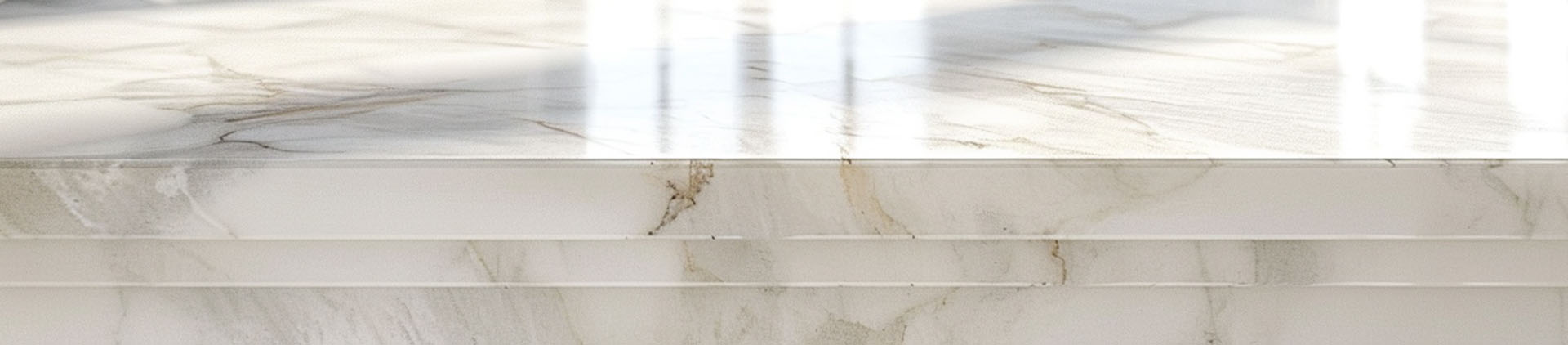
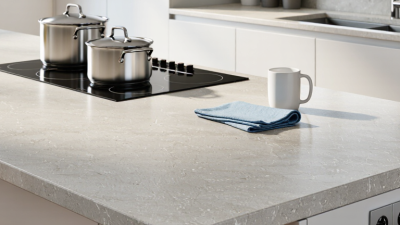
Why go with sintered stone countertops? Well, it mostly comes down to how they perform—not just how they look. I mean, a hot pan, a coffee spill, or even a damp cloth can tell you pretty fast what a surface is really made of. Sintered stone countertops are made using intense heat and pressure, which creates these dense slabs that stand up well to heat, stains, scratches, and UV light.
And the market data backs up the growing interest. Grand View Research put the global engineered stone market at about USD 26.6 billion in 2023. In its 2024 report, it projects an 8.6% compound annual growth rate through 2030. Mordor Intelligence also points to residential renovation, hospitality, and commercial interiors as big demand areas for sintered surfaces. That said, these numbers cover engineered stone as a whole—so don't take them as a perfect forecast for every sintered-stone supplier.
Still, it's a category worth thinking through carefully. A big slab might look calm and seamless, but sloppy edge work can show weakness. Installation quality matters. So does cabinet support, where the joints go, and the fabricator's cutting method. Eduardo Cosentino, president of Cosentino, once called Dekton “a revolution in the world of architecture and design.” You can see that ambition in modern kitchens, but marketing alone won't guarantee a countertop that works for you.
A smarter decision comes down to your daily habits, not showroom lighting. Sintered stone countertops can give you durability and a consistent look, but they're not indestructible. Before buying, compare technical sheets, warranty terms, thicknesses, and independent test results. That extra scrutiny can feel slow. But it's often the practical difference between a beautiful surface and a costly regret.

Table of Contents [Hide]
1 What Is Sintered Stone and How Is It Made?
2 Key Properties of Sintered Stone Countertops
3 Advantages for Everyday Kitchen and Bathroom Use
4 Design Options, Colors, and Surface Finishes
5 Comparing Sintered Stone with Other Countertop Materials
6 Installation, Maintenance, and Repair Considerations
What Is Sintered Stone and How Is It Made?
Why Choose Sintered Stone Countertops?
What Is Sintered Stone and How Is It Made?
Sintered stone begins with natural minerals, pigments, and refined inorganic materials. Manufacturers dry, blend, and granulate these ingredients before pressing them into large slabs. Intense pressure removes many internal gaps. A kiln then heats the slab, often above 1,200°C, allowing mineral particles to bond without fully melting.
The process resembles geological formation, but it happens within hours. That comparison is useful, although not perfect. The final surface can resist heat, scratches, stains, and ultraviolet exposure. Many sintered products also target water absorption below 0.5%, matching the low-absorption BIa classification in ISO 13006. ASTM C373 provides a recognized method for measuring absorption and bulk density.
Market demand supports this shift toward engineered surfaces. Grand View Research reported the global engineered stone market at approximately USD 27 billion in 2023, with continued growth projected through 2030. That figure includes several materials, not only sintered stone. This distinction matters.
On a kitchen island, a hot pan may leave no mark, but installation still requires care. Cutting edges can chip during handling. Poor cabinet support may create stress beneath the slab. Experienced fabricators check openings, transport routes, and support spacing before installation. The material is highly durable, yet it is not indestructible. That is an uncomfortable detail worth remembering.
Why Choose Sintered Stone Countertops? — What Is Sintered Stone and How Is It Made?
| Data Dimension | Typical Sintered Stone Information | What It Means for Countertops |
|---|---|---|
| Material Composition and Manufacturing | ||
| Primary raw materials | Natural mineral materials such as refined clays, feldspar, silica and mineral pigments; formulations vary by product. | The mineral composition creates a dense, stone-like surface without relying on resin as the primary binder. |
| Manufacturing process | Raw materials are milled, mixed, pressed under high pressure, digitally or mechanically decorated, and fired in an industrial kiln. | Controlled processing produces consistent slabs with low porosity and a uniform appearance. |
| Firing temperature | Typically approximately 1,200–1,250°C, depending on the formulation and production method. | High-temperature firing promotes vitrification, helping the surface resist moisture, stains and everyday wear. |
| Forming pressure | Industrial pressing is commonly used to compact the mineral mixture before firing; exact pressure varies by equipment and product. | Compaction reduces internal voids and helps create a stable, dense slab. |
| Color and pattern | Patterns may be created with mineral pigments and printed surface designs; some products extend the design through part or all of the slab thickness. | There are options for solid colors, stone-inspired veining and other architectural finishes. |
| Performance Characteristics | ||
| Water absorption | Often ≤0.5% for products manufactured to porcelain or ultra-compact ceramic standards; verify the technical sheet for the specific slab. | Low absorption helps reduce the penetration of water, oils and many common kitchen liquids. |
| Surface hardness | Commonly approximately 6–7 on the Mohs scale, although the exact result depends on the formulation and finish. | The surface is generally resistant to everyday abrasion, but cutting directly on it is still not recommended. |
| Flexural strength | Many porcelain-based sintered slabs meet or exceed approximately 35 MPa under relevant ceramic testing methods. | Good bending strength supports countertop applications when the slab is correctly fabricated and supported. |
| Heat resistance | Mineral-based surfaces are non-combustible and tolerate brief contact with hot cookware better than resin-based surfaces. | Hot pots and pans are less likely to cause thermal damage, but trivets are recommended to reduce thermal shock and protect the finish. |
| UV and color stability | Inorganic pigments and fired surfaces generally provide strong resistance to fading from sunlight. | Suitable for kitchens with strong daylight and many covered outdoor applications, subject to the product’s outdoor rating. |
| Stain resistance | The dense, low-porosity surface resists many common stains when spills are cleaned promptly. | Routine cleaning is usually straightforward, although porous edges, unsealed cutouts or surface damage may require extra attention. |
| Resistance to household chemicals | Generally resistant to many common household acids, alkalis and cleaning agents; concentrated chemicals may still damage the finish. | Use pH-neutral cleaners when possible and follow the slab manufacturer’s care instructions. |
| Countertop Planning and Maintenance | ||
| Typical slab thicknesses | Common options include approximately 6 mm, 12 mm and 20 mm; other thicknesses may be available. | Thickness affects edge profiles, weight, support requirements and the visual design of the countertop. |
| Sealing requirement | The main surface typically does not require periodic sealing because it is manufactured as a dense, non-porous material. | Reduced sealing maintenance can lower long-term upkeep, but natural-stone elements such as some substrates or edges may require separate treatment. |
| Daily cleaning | Use warm water, a soft cloth and a mild or pH-neutral cleaner; wipe away spills rather than allowing them to dry. | Simple daily care helps preserve the finish and minimizes residue buildup. |
| Scratch prevention | Although the surface is hard, abrasive grit, ceramic cookware and metal tools can mark certain finishes. | Use cutting boards, lift cookware instead of dragging it, and avoid abrasive scouring pads. |
| Edge and corner durability | Edges and corners are more vulnerable to impact than the broad surface, particularly on thin slabs or unsupported overhangs. | Professional fabrication, reinforced cutouts and properly designed support are important for long-term durability. |
| Fabrication requirements | Cutting and edge finishing generally require diamond tools, dust-control procedures and experienced stone or porcelain fabricators. | Installation quality is essential; incorrect handling can cause chipping, cracking or damage around sinks and cooktops. |
| Environmental profile | Primarily mineral-based and durable; environmental impact depends on raw-material sourcing, kiln energy, transport and end-of-life practices. | Long service life can reduce replacement frequency, but sustainability claims should be evaluated using verified product information. |
| Best suited for | Kitchen countertops, bathroom vanities, wall cladding, backsplashes, islands and selected outdoor applications. | It is a practical choice where low porosity, heat tolerance, design flexibility and limited sealing maintenance are priorities. |
| Important limitation | Performance varies by formulation, thickness, finish and fabrication method; technical specifications are not identical across all sintered stone products. | Always confirm water absorption, strength, outdoor suitability, heat guidance and installation requirements before purchase. |
Key Properties of Sintered Stone Countertops
Why Choose Sintered Stone Countertops?
Key Properties of Sintered Stone Countertops
Sintered stone is produced by compressing and heating carefully selected minerals. This process creates a dense, nonporous surface with consistent performance. It resists everyday stains from coffee, oil, tomatoes, and cooking sauces. A quick wipe usually handles spills before they leave a mark. That matters in busy kitchens. The surface also tolerates sunlight well, so color changes are less likely near large windows.
Heat resistance is another practical advantage. A hot pan may be safer on sintered stone than on many conventional surfaces. Still, direct heat can stress any countertop under unusual conditions. Use a trivet when possible. The material also offers strong scratch resistance, but sharp grit beneath cookware can still cause damage. No surface is indestructible.
Cleaning requires little effort. Mild soap, warm water, and a soft cloth are usually sufficient. Avoid harsh abrasives unless the installation guide permits them. Large slabs can create fewer seams, which helps maintain a clean appearance. However, accurate measuring and professional installation remain essential. A poorly supported edge may chip, even when the slab itself is highly durable. I would inspect the sample in natural light before ordering, because texture and color can feel different indoors. That small step prevents disappointment.
Advantages for Everyday Kitchen and Bathroom Use
Why Choose Sintered Stone Countertops?
In busy kitchens and bathrooms, countertops face heat, moisture, stains, and constant handling. Sintered stone is made from refined mineral materials compacted under intense heat and pressure. This process creates a dense surface with low liquid absorption. It feels solid.
A hot pan can usually rest on the surface briefly, although using a trivet remains the safer habit. Food spills, soap residue, and toothpaste can often be removed with a soft cloth and mild cleaner. The nonporous structure also reduces places where everyday grime can settle. In bathrooms, this helps keep vanity tops looking cleaner between regular washdowns. Large slabs can create fewer joints, which may simplify wiping around sinks and splash zones.
Still, no surface is perfect. A heavy impact on an exposed edge may cause chipping, especially during installation or remodeling. Cutting directly on the countertop can also dull tools and leave avoidable marks. Professional measuring and fitting matter because cabinets must support the slab evenly. Color and texture may vary slightly, so viewing a physical sample is more reliable than judging a screen image. Some finishes show fingerprints or water spots more clearly than others. That small detail is easy to overlook. With sensible care, proper support, and realistic expectations, sintered stone can suit demanding daily routines without requiring complicated maintenance.
Design Options, Colors, and Surface Finishes
Sintered stone countertops offer broad design freedom without sacrificing practical performance. Their mineral-based composition is formed under intense heat and pressure, creating slabs with consistent structure and strong resistance to heat, stains, and everyday wear. Large-format designs can reduce visible seams, especially across long islands or full-height backsplashes. This creates a calmer visual field.
Color selection deserves more attention than a small showroom sample suggests. Soft white and warm ivory brighten compact kitchens, while charcoal, sand, and muted green create a grounded mood. Veined patterns can imitate marble, concrete, or natural stone, but the printed movement may appear different across a large slab.
Always inspect a full-size sample in daylight and under evening lighting. Small samples can be misleading.
Surface finish changes both appearance and maintenance. A polished finish reflects light and makes darker colors feel richer. Honed surfaces look quieter and usually show fewer reflections. Textured finishes add grip and visual depth, which can suit busy kitchens or outdoor areas. However, deeper texture may hold flour, oil, or dust. Texture changes cleaning.
I once selected a dramatic matte surface that looked excellent in the showroom but felt too dull beside warm timber cabinets. A second viewing prevented an expensive mistake.
Edge profiles, cabinet color, and nearby flooring should be reviewed together, not separately.
Comparing Sintered Stone with Other Countertop Materials
Why Choose Sintered Stone Countertops?
Comparing Sintered Stone with Other Countertop Materials
Sintered stone is produced from mineral particles under intense heat and pressure. That process creates a dense, hard surface without resin binders. According to EN 14411, porcelain products meet a water absorption limit of 0.5% or less. ASTM C373 provides the related absorption test method. This helps explain why spills usually remain on the surface instead of soaking into it.
Quartz also offers low porosity and consistent color. However, its resin content can limit resistance to direct, prolonged heat. A hot roasting pan still deserves a trivet. Granite handles heat well, but the Natural Stone Institute’s Dimension Stone Design Manual notes that absorption varies by stone type. Some granite needs periodic sealing. Laminate costs less, yet its decorative layer can blister near cooktops and damage more easily from sharp objects.
Sintered stone is not indestructible. ASTM C648 tests breaking strength, but installation quality still affects real performance. A poorly supported overhang may crack, even with a strong slab. I have also found that thin edges can chip when heavy cookware hits them. That detail is easy to overlook. For daily use, a cutting board and padded sink supports remain sensible. Pay attention to slab thickness, edge design, test results, and the installer’s experience—not only the surface sample.
Installation, Maintenance, and Repair Considerations
Why Choose Sintered Stone Countertops?
Installation quality determines how well a sintered stone countertop performs. The material is dense and resistant to stains, heat, and everyday scratches, but it still needs careful handling. A professional installer should check cabinet level, wall alignment, and support spacing before cutting. Uneven cabinets can place stress on the slab. Cutouts around sinks and cooktops need smooth, reinforced edges. Dry-fitting the pieces first can prevent expensive surprises. It takes time.
Accurate
Installation
Matters
In practical installations, accurate measurements matter more than attractive samples. Seams should be planned near sinks or natural breaks, where they are less noticeable. Transport also requires experience because large slabs can crack when lifted incorrectly. During daily use, wipe spills with a soft cloth and a pH-neutral cleaner. Avoid abrasive powders, harsh acids, and dragging heavy cookware across the surface. Although the stone tolerates heat, sudden temperature changes may still damage nearby joints or cabinetry.
Tips: Ask for a written installation plan and inspect the finished seams under direct light. Keep the original measurements and slab information for future repairs. Small edge chips may be repaired by a qualified fabricator, but deep cracks often require section replacement. Color and texture matching can be imperfect, especially after years of light exposure. I have seen rushed repairs look worse than the original damage, so patience is worthwhile. Never enlarge a sink or cooktop opening without professional assessment.
FAQS
What is sintered stone?
Sintered stone is an engineered surface made from natural minerals, pigments, and refined inorganic materials. It contains no resin binder. Mineral particles bond under intense pressure and heat.
How is sintered stone manufactured?
Manufacturers dry, blend, and granulate the ingredients. They press the mixture into large slabs. A kiln often heats each slab above 1,200°C. The particles bond without fully melting.
Does sintered stone resist heat?
Usually, yes. A hot pan may leave no visible mark. Still, use a trivet when possible. Heat resistance is strong, not magical.
Is sintered stone resistant to stains and water?
Its dense surface usually absorbs very little water. Many products target absorption below 0.5%. Spilled coffee generally stays near the surface. Wipe it before it dries.
Can sintered stone scratch?
It resists everyday scratches well. Sharp tools can still leave damage. Use a cutting board instead of cutting directly on the counter.
Is sintered stone completely indestructible?
No. Thin edges may chip when heavy cookware hits them. A poorly supported overhang may crack. This is easy to overlook.
What installation details matter most?
Installers should check cabinet support, slab thickness, openings, and transport routes. Sink areas need careful support. Poor handling can damage a durable slab.
How does sintered stone compare with other countertop materials?
It usually handles heat, stains, scratches, and ultraviolet exposure well. Quartz has low porosity but may dislike prolonged direct heat. Granite handles heat, while absorption varies. Laminate costs less but can blister near cooktops.
Does sintered stone require special daily care?
Basic cleaning is usually enough. Wipe spills with a soft cloth and suitable cleaner. Avoid dropping heavy cookware on narrow edges. I would still use padded sink supports.
Conclusion
Sintered Stone Countertops are engineered by compressing carefully selected natural minerals under intense pressure and heat, creating a dense, durable surface with excellent resistance to scratches, stains, moisture, heat, and everyday wear. These qualities make them a practical choice for busy kitchens and bathrooms, where spills, hot cookware, and frequent cleaning are common concerns. Their low-porosity structure also helps support a clean and hygienic environment when properly maintained.
Available in a wide range of colors, patterns, textures, and surface finishes, sintered stone can complement both modern and traditional interiors. Compared with materials such as natural stone, engineered quartz, laminate, or solid surface, it offers a distinctive balance of durability, design flexibility, and low maintenance, although professional installation is important because precise handling and cutting are required. Routine care usually involves mild soap and water, while repairs may be more complex if severe impact causes damage. Overall, Sintered Stone Countertops provide a long-lasting and attractive solution for residential surfaces.
Related Posts

Top Sintered Stone Countertop Manufacturers Worldwide

10 Essential Tips for Choosing Calacatta Quartz Slabs?

10 Best Artificial Onyx Products You Need to Know About?

2026 How to Choose the Best Artificial Marble Countertop for Your Home?

2026 How to Use Artificial Translucent Stone in Interior Design?

Top 10 Engineered Stone Suppliers in China for Global Buyers?
Blog Tags:
Updated:

Isabella
Isabella is a dedicated marketing professional at a leading artificial stone enterprise established in 2016. With a deep understanding of the industry, she excels in showcasing the company’s innovative products and services. Isabella is passionate about research and development, playing a vital......
Previous Why Choose an Artificial Stone Factory for Global Buyers?
 Why Choose Sintered Stone Countertops?
Why Choose Sintered Stone Countertops?
Why Choose Sintered Stone Countertops?
 Why Choose an Artificial Stone Factory for Global Buyers?
 China Top White Crystal Nano Glass Stone Supplier?