
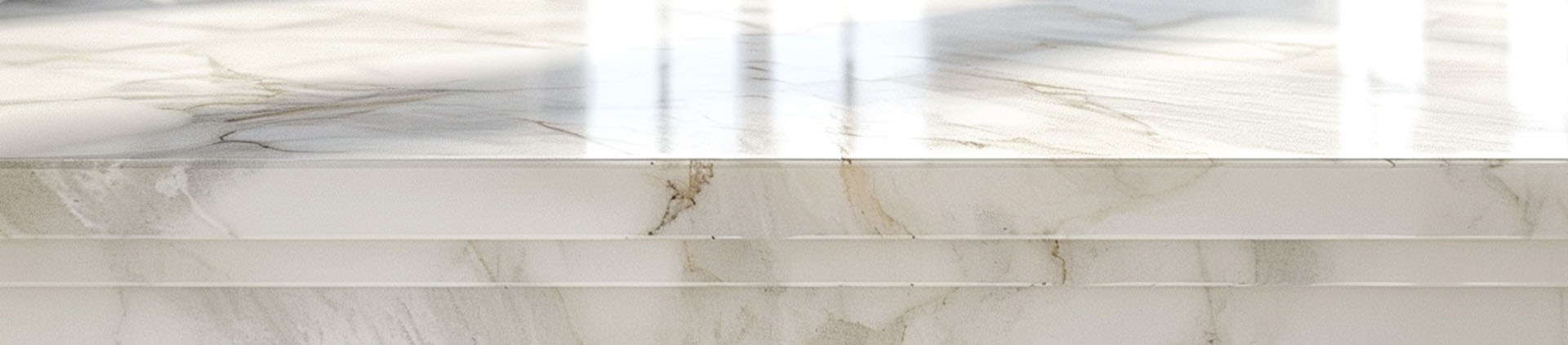
What Is the Best White Crystal Nano Glass Stone in 2026?
So, what really makes the best White Crystal Nano Glass Stone in 2026? Honestly, it depends—on where you're putting it, how it's made, and what you expect it to look like. You know, a bright white surface can look super crisp in a showroom, but then under warm kitchen lighting, those subtle gray or cream undertones pop out. And those tiny differences? They can be a big deal.
Alright, so when you're comparing options, there are a few practical things worth paying attention to. Check the color consistency, that crystal-like patterning, slab thickness, edge finish, and what sizes are actually available. Don't just trust the glossy photos—ask suppliers for technical specs and any relevant test data. Claims about performance can be all over the place, so dig into specifics like stain resistance, heat tolerance, and how to care for that particular product. And honestly, get a sample if you can. Look at it by a window and also under your indoor lighting—it can look surprisingly different.
Look, the 'best' choice isn't always the whitest or the most expensive—honestly, that's a trap. For a kitchen island, you might care more about how well it's built and how easy it is to clean day-to-day, not just the fancy veining. And if you're doing a wall feature, you probably want consistency across the pieces and reliable batch matching, 'cause you don't want weird patches. So, before you commit, compare the written warranties, delivery times, and what the supplier says about installation. Yeah, these checks don't guarantee a perfect result—unfortunately, even careful comparisons can miss a subtle shade shift between a sample and the actual full slab. It happens. That's definitely something worth paying attention to. In this overview, we'll walk you through the looks, the practical side, and the documentation—so you can figure out if a White Crystal Nano Glass Stone is the right match for your project.

Table of Contents [Hide]
1 What Is White Crystal Nano Glass Stone?
2 How Is White Crystal Nano Glass Stone Made?
3 Which Properties Define Its Quality and Performance?
4 What Factors Matter When Choosing One in 2026?
5 How Does It Compare Across Common Applications?
6 How Can Buyers Verify Quality and Supplier Claims?
What Is White Crystal Nano Glass Stone?
White crystal nano glass stone usually refers to an engineered glass-ceramic surface, not a naturally quarried stone. Silica-rich materials and other mineral ingredients are melted or fused, then processed to form a dense slab with a crystalline structure. Its fine, uniform appearance can create a bright white surface with subtle sparkle.
Not a natural stone. Recipes and production methods vary, so “nano” alone does not confirm a particular particle size or performance level.
The U.S. Geological Survey’s Mineral Commodity Summaries 2024 estimated U.S. industrial sand and gravel production at about 120 million metric tons in 2023. That figure covers many uses; it is not a production estimate for nano glass stone. This distinction matters when assessing product claims.
In practical use, a polished sample should be checked for shade consistency, edge quality, surface scratches, and resistance to staining. Ask for test results and care instructions, because performance depends on the slab and its finish.
A small sample may not show the full pattern. The name can sound more scientific than the evidence.
How Is White Crystal Nano Glass Stone Made?
White crystal nano glass stone is generally made by melting carefully measured mineral ingredients, including silica and other glass-forming materials. Exact recipes vary, so the name alone does not guarantee identical composition or performance. The batch is heated until it becomes a uniform molten mixture, then shaped into slabs or blocks. Some production methods use controlled crystallization, allowing tiny crystals to form within the glass structure. This creates the material’s bright, consistent appearance. The details matter.
After forming, the slabs are cooled under controlled conditions to reduce internal stress. Cooling too quickly can leave flaws that are difficult to see at first. The material is then cut to size and ground with progressively finer abrasives, giving it a smooth, reflective surface. White slabs may show subtle differences in tone, sparkle, or tiny inclusions between batches. Not every slab matches. For a real project, inspect a sample under the lighting it will be used in, and ask for technical data on water absorption, strength, and recommended installation. A glossy surface can look flawless in a showroom but reveal small marks in direct daylight.
Which Properties Define Its Quality and Performance?
In 2026, a quality white crystal nano glass stone should look consistent in both daylight and warm indoor lighting. Check a full-size sample, not just a small chip. Subtle color shifts can become obvious across a kitchen island. Look for even translucency, a smooth polished face, and minimal pinholes or cloudy patches. Looks matter. Flatness also matters: place a straightedge across the slab and watch for gaps or rocking. The term “nano” alone does not prove performance, so ask for the product’s composition and test results.
Durability depends on measurable properties, including water absorption, surface hardness, stain resistance, and resistance to heat changes. Request independent test data where available, and confirm the test method; results are only useful when compared consistently. A clean surface should resist common kitchen spills, but no stone is completely immune to damage. Check the edges. Poorly finished edges may chip during cutting or installation, even when the slab face appears flawless. For a reliable choice, compare samples under your actual lighting and discuss fabrication requirements with an experienced installer. I would not judge quality by whiteness alone; a bright slab can still perform poorly if its structure or finish is uneven.
What Factors Matter When Choosing One in 2026?
Choosing a white crystal nano glass stone in 2026 starts with the room, not a product label. Consider where it will be installed and how it will be used each day. For a kitchen, inspect a sample beside cabinets, flooring, and a window. White surfaces can look cool under LEDs and creamy in afternoon sunlight. Look closely. Check for uneven color, tiny specks, cloudy patches, and visible seams. A small sample may not show variation across a full slab.
Performance matters just as much as appearance. Ask for written details about thickness, finish, suitable uses, and care instructions. Request test information on heat, impact, staining, and common cleaners instead of relying on broad claims. Don’t assume “glass” means indestructible. One detail is easy to misjudge: lighting in a showroom may differ greatly from lighting at home. If possible, view a larger sample under warm and cool light. Edge profiles, cutouts, and installation can also change the final look.
Compare quotes by what they include, not price alone. Check whether delivery, cutting, edging, installation, and material waste are covered. Ask how overhangs are supported and what repair options are available. Read warranty exclusions before paying a deposit. If two choices seem similar, clearer technical documents and a finish you like in ordinary daylight may matter more than a dramatic display. That practical test is not perfect, but it is useful.
| Factor | What to Look For | Why It Matters | How to Check | Priority |
|---|---|---|---|---|
| Color and pattern consistency | A white tone and pattern that remain consistent across the slabs needed for the project. | White surfaces can show shade differences, veining variation, and visible seams more readily than some darker designs. | Review full-size slabs in person under the lighting used in the finished space. Confirm that all selected slabs are from a compatible production lot. | High |
| Composition and product data | A clearly identified glass-based material with a current technical data sheet describing its composition and tested properties. | “Nano glass” is a commercial material description, not a single universal specification. Products sold under similar names can differ. | Request the technical data sheet, care instructions, and applicable test methods. Compare like-for-like test results rather than relying on marketing terms. | High |
| Water absorption and staining | Documented low water absorption and guidance on resistance to common household stains. | Glass-based surfaces are generally nonporous, but performance and stain resistance should be confirmed for the specific product and finish. | Ask for test results and a written list of recommended cleaners. Test a sample with substances relevant to the intended use. | High |
| Scratch and abrasion resistance | Tested surface performance suitable for the expected level of daily use. | A hard surface can still be scratched by abrasive materials, and the appearance of scratches may be more noticeable on a glossy white finish. | Review the supplier’s test data and care guidance. Use cutting boards and avoid dragging gritty items across the surface. | High for worktops |
| Heat and thermal shock | Clear limits and installation guidance for exposure to hot cookware and rapid temperature changes. | Heat resistance is not the same as immunity to thermal shock. Sudden temperature changes can damage some surfaces or fabricated areas. | Check the product’s stated temperature guidance. Use trivets unless the manufacturer specifically confirms otherwise. | High for worktops |
| Impact, edges, and fabrication | Suitable fabrication recommendations, with particular attention to corners, cut-outs, and exposed edges. | Hard, brittle materials may chip if struck, especially at unsupported edges or around sink and hob cut-outs. | Ask an experienced fabricator about edge profiles, support, cut-out details, and repair options. Inspect a finished sample edge. | High |
| Finish and slip resistance | A finish appropriate to the application: polished for a reflective look, or a specified slip-resistant finish where needed. | Surface texture affects appearance, cleaning, and underfoot grip. A polished finish should not be assumed suitable for every floor or wet area. | View samples under the actual lighting and request slip-resistance data for flooring applications, especially in wet areas. | High for floors |
| Outdoor and UV suitability | Explicit confirmation that the exact product is rated for the intended outdoor exposure. | UV stability, weathering performance, and installation requirements depend on the product and its formulation. | Request written outdoor-use guidance and relevant test information. Do not infer outdoor suitability from a white color or glass content alone. | High outdoors |
| Thickness, size, and support | Slab dimensions and thickness that match the design, spans, substrate, and installation method. | Large-format surfaces need appropriate support and handling. A thinner slab may require a different substrate or reinforcement plan. | Confirm dimensions and installation details with the supplier and fabricator before ordering. Check that the site can accommodate delivery and handling. | High |
| Cleaning and maintenance | Simple routine-care instructions and clear restrictions on chemicals or abrasive pads. | Even a low-porosity surface can be dulled, damaged, or discolored by unsuitable cleaners or abrasive maintenance. | Obtain the manufacturer’s written care guide and use a small, inconspicuous test area before trying a new cleaner. | Medium to high |
| Quality control and warranty | Documented inspection standards, batch identification, installation requirements, and a written warranty. | Warranty coverage may depend on approved fabrication, installation, and care. Natural-looking variation and damage may be treated differently. | Read the warranty before purchase and clarify coverage for color variation, chips, stains, and installation-related issues. | High |
| Overall selection | The best choice is the product with verified performance for the intended application, consistent appearance, suitable fabrication guidance, and acceptable warranty terms. | No single white crystal nano glass stone is best for every project; kitchens, floors, walls, and outdoor installations have different requirements. | Compare technical documents and full-size samples, then confirm suitability with the installer before placing the order. | Essential |
| Note: Performance values and test methods vary by product. Verify specifications for the exact slab being purchased; do not treat generic material descriptions as a substitute for product-specific documentation. | ||||
How Does It Compare Across Common Applications?
White crystal nano glass stone can look striking on a kitchen island, where light catches its pale surface and subtle crystal-like pattern. In daily use, its smooth, low-porosity finish is easy to wipe after coffee or cooking spills. Still, “nano glass” is not a uniform specification. Ask for the slab’s technical sheet, stain guidance, and care instructions before comparing samples.
For counters and vanity tops, a polished slab offers a clean, bright look and resists many routine stains when maintained properly. It can feel less forgiving than some materials if a heavy pan strikes an exposed edge. Use a cutting board. For walls, the same reflective surface can brighten a narrow shower or backsplash, but grout lines, seams, and lighting affect the final result. Check that the selected finish suits the installation and cleaning products.
Flooring needs a different test. A glossy sample may become slippery when wet, so request documented slip-resistance data for the exact finish. Large panels can create a seamless appearance, yet moving and fitting them requires careful handling and experienced installation. I would compare full-size samples in daylight and under warm indoor lights; small chips hide variation. One detail is easy to miss: a pristine white surface may show dust more readily than a textured or patterned one.
How Can Buyers Verify Quality and Supplier Claims?
What Is the Best White Crystal Nano Glass Stone in 2026?
How Can Buyers Verify Quality and Supplier Claims?
The best option is not simply the whitest sample. It should meet your project’s needs for color consistency, strength, finish, and maintenance. Ask for a current technical data sheet and batch-specific test reports. Check whether the reports identify the tested material, methods, and laboratory. A polished sample can look flawless under showroom lights, yet reveal cloudy patches or tiny pinholes beside a window. Inspect several pieces in natural light, including cut edges. “Nano” can describe different processes, so ask the supplier to explain what it means for that product.
Tips: Compare samples with a white reference card. Request thickness and size tolerances, water absorption data, and cleaning guidance in writing. Match sample labels to the quotation and shipment documents. If a supplier provides only general certificates, ask how they relate to the exact batch. Keep one approved sample for comparison after delivery.
A careful buyer also checks practical details: crate protection, replacement procedures, and whether the finish suits the intended use. For a large order, consider an independent inspection before shipment. This adds time and cost. Still, a few extra checks may prevent mismatched slabs or costly rework. No report removes every risk; natural-looking variation and handling damage can still occur.
FAQS
What is white crystal nano glass stone?
It is an engineered glass-ceramic surface, not naturally quarried stone. Mineral ingredients, including silica, are fused into dense slabs. The name can sound more scientific than the evidence.
Does “nano” guarantee a specific particle size or quality?
No. Recipes and production methods vary. Ask for composition details and test results.
How is this surface made?
Mineral ingredients are melted, shaped, and cooled under controlled conditions. Some methods use controlled crystallization. The slab is then cut and polished.
What should I inspect before choosing a slab?
Check a full-size sample for color shifts, pinholes, cloudy patches, and scratches. View it in daylight and warm indoor lighting. Small samples can mislead.
Is white crystal nano glass stone resistant to stains and scratches?
Performance depends on the slab and finish. Ask for test data on absorption, hardness, and stain resistance. No surface is completely immune to damage.
How can I check whether a slab is flat?
Place a straightedge across the surface. Watch for gaps or rocking. Flatness matters.
Why should I inspect the edges?
Poorly finished edges may chip during cutting or installation. A polished face can still hide edge problems.
Is whiteness a reliable measure of quality?
Not by itself. Compare the finish, structure, and test results. I would not judge by color alone; that seems too easy.
Conclusion
White Crystal Nano Glass Stone is an engineered surface material made from selected mineral and glass components processed into a compact, refined slab. Its quality depends on factors such as consistency of color and pattern, surface finish, strength, resistance to stains and scratches, and suitability for the intended environment. Understanding how the material is produced can help buyers assess what performance to expect, while careful attention to thickness, dimensions, edge details, and installation requirements can support a better choice in 2026.
The best option depends on the application: a surface used for countertops may need different performance characteristics from one intended for walls or decorative features. Buyers should compare samples under realistic lighting, review clear product specifications, and ask suppliers how quality is checked. Confirming that claims are supported by relevant test information and that installation guidance is available can make it easier to select a dependable White Crystal Nano Glass Stone for a project.
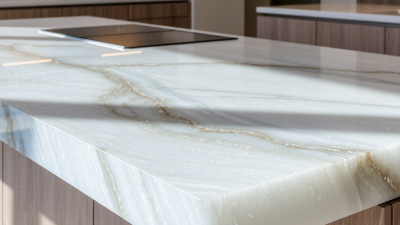 What Is the Best White Crystal Nano Glass Stone in 2026?
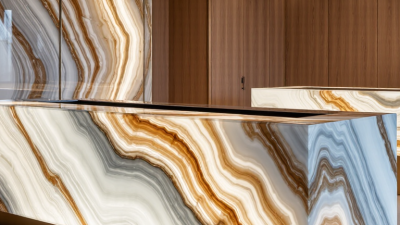 How to Choose the Best Artificial Onyx for Your Project
 Why Choose Artificial Translucent Stone for Your Project?
 How to Choose Engineered Quartz Slabs in 2026?