

Top 5 Tips for Sourcing Quality Artificial Stone Products?
You know, the demand for really high-quality artificial stone products is just steadily climbing. Thanks to all the recent breakthroughs in design and tech, it’s no surprise. I read a report from Stone Industry Analytics recently that says this market could hit around $15 billion by 2025 — pretty wild, right? It just highlights how super important it is for companies to choose the right suppliers so they can get the best materials that actually live up to what customers are expecting.
Dr. Sarah Thompson, who’s pretty much a go-to person when it comes to artificial stones, points out, 'Quality sourcing is absolutely key if we want to keep pushing innovation and stay sustainable.' Her words really hit home because it’s true — not every supplier is on the same level. Picking the right one takes some serious scrutiny.
But let’s be honest, sourcing isn’t always smooth sailing. Sometimes, suppliers miss deadlines or the quality of the products can vary, which can throw a wrench in project timelines and cause delays. Still, by focusing on finding reliable, quality sources and listening to expert advice, businesses can handle these hiccups better. In the end, it helps improve their products and boosts their reputation in the market — so it’s totally worth the effort.

Understanding the Basics of Artificial Stone Products in the Market
Artificial stone products are gaining popularity in various markets. They offer durability and aesthetic appeal. Understanding their basics helps buyers make informed choices. The term "artificial stone" includes materials like engineered quartz and polymer-based stones. These products mimic natural stones but often come at a lower cost.
When sourcing quality artificial stone, consider asking about manufacturing processes. Look for suppliers who prioritize transparency. They should provide details on raw materials and production standards.
It's essential to check for certifications. Quality assurance can indicate reliability. Suppliers with industry recognition often maintain high standards. Don't hesitate to request samples before making a bulk purchase. This way, you can assess texture, appearance, and overall quality.
Finally, pay attention to customer feedback. Reviews reflect real-world experiences. Even reputable brands may not meet your specific needs. A thorough evaluation can save time and resources. Settling for less can lead to disappointment in your projects. A thoughtful approach ensures you choose materials that truly elevate your designs.
Top 5 Tips for Sourcing Quality Artificial Stone Products
| Tip | Description | Key Considerations |
|---|---|---|
| Research Suppliers | Investigate different suppliers to evaluate their product quality and reliability. | Check reviews and certifications. |
| Request Samples | Always ask for samples before making a large order. | Ensure to test for durability and finish. |
| Evaluate Compliance | Make sure the products meet industry standards and regulations. | Review quality certificates and compliance documents. |
| Assess Production Process | Understand the manufacturing processes involved in creating the stone products. | Consider technology and methods used in production. |
| Check Warranty and Support | Inquire about warranty options and post-purchase support. | Look for customer service reputation. |
Identifying Reliable Suppliers for Quality Artificial Stone Products
When sourcing quality artificial stone products, identifying reliable suppliers is crucial. The artificial stone market has shown a robust growth trajectory, with a report by Grand View Research stating it is expected to reach $23 billion by 2025. This growth highlights the importance of partnering with trustworthy suppliers who can deliver consistent quality.
One essential tip is to assess a supplier's certifications. Look for ISO certifications or other industry-specific qualifications. This indicates adherence to quality standards. It can be beneficial to request samples. Reviewing materials firsthand helps to ensure they meet your project requirements. Quality checks are non-negotiable in this industry.
Building a referral network can also enhance supplier reliability. Engaging with industry peers often leads to valuable recommendations. Additionally, consider suppliers that are transparent about their sourcing and manufacturing processes. A lack of transparency can raise red flags. It's not uncommon to discover discrepancies in product quality, which can lead to costly issues down the line.
In this evolving market, remember that not all suppliers are equal. Regularly evaluate supplier performance to ensure that they maintain quality standards over time. This ongoing assessment can help mitigate risks associated with quality inconsistencies.
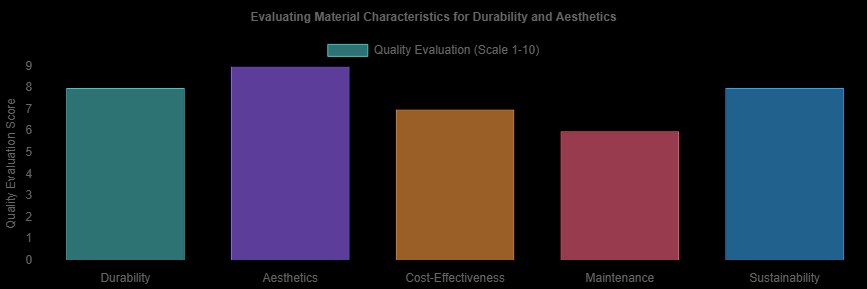
Evaluating Material Characteristics for Durability and Aesthetics
When sourcing quality artificial stone products, evaluating material characteristics is crucial. Durability is often the first consideration. High-quality artificial stone should withstand wear over time without significant damage. Look for products that offer resistance to scratching and staining. When evaluating durability, examine the surface finish and the bond strength between materials.
Aesthetics play a key role too. The visual appeal of artificial stone should align with your design goals. Choose colors and patterns that complement your overall theme. Customization options can significantly enhance the final appearance. Pay attention to texture, as it influences how light reflects off the surface.
Tip: Always request samples before making a final decision. This allows you to assess color variations and texture in your own space. Consider the overall weight of the material. Heavier stones often indicate higher density, which can correlate with sturdiness. Remember, quality often reflects in the details, so never rush your selection process.
Top 5 Tips for Sourcing Quality Artificial Stone Products
Reviewing Product Certifications and Compliance Standards
When sourcing quality artificial stone products, it is crucial to focus on product certifications and compliance standards. These certifications indicate that the products meet specific safety and quality benchmarks. Look for certifications from recognized organizations in the industry. They ensure the materials are tested and verified. Understanding these labels can prevent costly mistakes.
Reading through compliance standards is also essential. Certain materials may contain harmful substances like VOCs or heavy metals. Knowledge about safety standards helps to mitigate risks. Manufacturers should provide clear documentation regarding compliance. Trustworthy suppliers will willingly share this information, instilling a sense of reliability.
Product quality varies significantly. Not all products with certifications are identical in performance. It’s wise to request sample products for testing. This hands-on approach allows for personal assessment of durability and finish. Consider engaging with professionals who specialize in material inspection. They can offer insights that certifications may not reveal. This depth of investigation aids in making informed decisions.
Assessing Customer Reviews and Feedback for Quality Assurance
When sourcing quality artificial stone products, understanding customer reviews is crucial. Feedback from previous buyers often highlights strengths and weaknesses. According to a study by Consumer Insights Group, 85% of consumers trust online reviews as much as personal recommendations. This statistic underscores the importance of examining feedback for quality assurance.
Look for patterns in customer comments. Many reviews may mention durability and aesthetic appeal. However, some may point out issues with fading color or chips. A balance of positive and negative feedback offers a clearer picture. The data indicates that products with a higher number of 4-star and 5-star reviews often correlate with enhanced customer satisfaction in the long run.
Moreover, don't overlook the importance of response rates from manufacturers. A report by Trustpilot reveals that companies responding to reviews saw a 33% increase in customer trust. Engaging with customers reflects a commitment to quality. Yet, if a manufacturer receives many unresolved complaints, this could be a red flag. Pay attention to how brands address concerns, as this can influence your purchasing decision.
Exploring Pricing Strategies and Budget Considerations
When sourcing quality artificial stone products, pricing strategies are crucial. Understanding your budget upfront can guide your choices. High-quality products often carry a premium, but cheaper options may lack durability. Balance quality and cost effectively. Always evaluate the long-term investment over initial savings.
Consider how pricing affects supplier relationships. Trustworthy suppliers offer transparency. This can impact the negotiation process. Don't shy away from asking about production costs and potential discounts for bulk purchases. A clear budget can help you identify which suppliers align with your financial goals.
Keep in mind that pricing is not just numbers. It reflects material quality, production methods, and market demand. Do thorough research before making decisions. Analyze market trends and competitor offerings. A well-informed approach can prevent costly mistakes and foster better partnerships. Sourcing artificial stone is a journey requiring thought and careful analysis.
Establishing Long-Term Relationships with Suppliers for Consistency
Building long-term relationships with suppliers is crucial for sourcing quality artificial stone products. A recent industry report highlights that 70% of companies experience issues due to unreliable suppliers. By establishing trust, businesses can ensure consistent product quality and availability. Effective communication is key. Regular check-ins can help address potential problems before they escalate.
Choosing suppliers based on shared values often leads to better outcomes. A study found that companies with strong supplier relationships reported a 30% increase in product satisfaction. Focus on mutual benefit and transparency. This fosters an environment where both parties thrive. Engage actively in discussions about quality standards and delivery timelines.
However, it's essential to periodically evaluate these relationships. Regular assessments can uncover areas of improvement. A supplier who was once dependable may change over time due to various factors. Staying vigilant helps to maintain the integrity of the supply chain. Building a reliable supplier network requires ongoing effort from both sides.
FAQS
: Why are product certifications important?
: Certifications show that products meet safety and quality benchmarks. They help prevent costly mistakes.
What should I look for in compliance standards?
Check for harmful substances like VOCs or heavy metals. Knowing safety standards reduces risks.
Are all certified products equal in quality?
No, product quality varies. Request samples to test performance and durability before buying.
How can customer reviews help in making a decision?
Reviews reveal strengths and weaknesses. They provide insights into durability and aesthetics.
Why is it important to find patterns in reviews?
Patterns indicate common issues like color fading and chips. They help create a clearer product evaluation.
What does high response rates from manufacturers indicate?
It shows commitment to customer satisfaction. Engaged brands often build more trust with buyers.
What if a manufacturer has many unresolved complaints?
This could signal potential problems with quality. It’s a red flag when considering a purchase.
Should I engage with professionals during the sourcing process?
Yes, professionals can provide insights certifications may miss. They enhance informed decision-making.
Can online reviews be trusted?
Many consumers trust online feedback as much as personal recommendations. Reviews often reflect real experiences.
What is the importance of hands-on assessment?
Testing products personally allows for a direct evaluation. It provides a tangible sense of quality.
Conclusion
When sourcing quality artificial stone products, it is essential to understand the fundamentals of these materials, which vary in composition and quality. Identifying reliable suppliers is crucial, as it ensures access to durable and aesthetically pleasing products. Evaluating the material characteristics, such as resilience and appearance, plays a significant role in the selection process. Additionally, reviewing product certifications and compliance standards helps verify the products meet necessary regulations.
Customer reviews and feedback provide valuable insights for quality assurance, highlighting the experiences of previous buyers. Furthermore, exploring pricing strategies and budget considerations is necessary to ensure a reasonable investment. Finally, establishing long-term relationships with suppliers can lead to consistent product quality and availability, ultimately benefiting the sourcing strategy for artificial stone products.
 How to Choose the Best Artificial Onyx for Your Project
 Why Choose Artificial Translucent Stone for Your Project?
 How to Choose Engineered Quartz Slabs in 2026?
 What Is Calacatta Quartz Countertop And Is It Durable?