
Why Choose Artificial Translucent Stone for Your Project?
Why Choose Artificial Translucent Stone for Your Project?
0%
Table of Contents
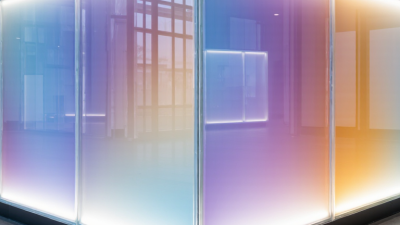
So, you've probably seen those stunning translucent stone panels that make walls or reception desks glow from within. They're not just pretty—they actually have a practical side too, because light isn't just hitting the surface; it's passing through, revealing depth and color you'd never get from a solid, opaque slab. But here's the catch: the magic isn't just in the stone itself. The final look depends on a bunch of other factors—how thick the panel is, the pigment you use, the support structure behind it, and even how you space the LEDs. What looks bright and perfect in a showroom might not hold up in a dim hallway. So before you commit to anything, it's absolutely worth building a full-size mock-up to see how it really looks in your space.
There's another useful way to think about energy, too. The U.S. Department of Energy’s Energy Saver guide says LED bulbs use at least 75% less energy than the old incandescent ones. But that 75% figure is just for the bulb itself, not the whole fixture or installation. So the actual savings you'd see depend on how the lighting is designed. Architect Louis Kahn once said something that really sticks with you: “The sun never knew how great it was until it hit the side of a building.” And that's the idea behind Artificial Translucent Stone—it makes that whole light-and-surface relationship visible, even when there's not a lot of natural daylight around. But let's be real: it's not a one-size-fits-all solution. If you don't plan for seams, maintenance access, or how the light will fall unevenly, those issues can come back to bite you. So it's not something you can treat as an afterthought. So here's the thing – you'll want to ask suppliers for samples that have actually been tested, plus get the installation details. Then, judge the material under the lighting the space is really going to have. That's the real test, you know?

Table of Contents [Hide]
1 What Artificial Translucent Stone Is
2 How Artificial Translucent Stone Is Made
3 How Light Creates Its Signature Visual Effect
4 Key Benefits for Architectural and Interior Projects
5 Common Applications in Residential and Commercial Spaces
6 Factors to Consider When Choosing Artificial Translucent Stone
What Artificial Translucent Stone Is
Artificial translucent stone is an engineered surfacing material made by combining mineral fillers with clear or tinted resin. Unlike quarried stone, its color and light transmission are shaped during manufacture. The exact composition varies, so “stone” describes its mineral content and appearance, not one standard recipe. It is often supplied as sheets or panels. Thickness, pigments, and embedded particles all affect how light moves through the surface.
Hold a sample against a window. You may notice that pale areas glow evenly, while darker grains create small shadows. For interior projects, panels can be paired with rear lighting in reception desks, wall features, or partitions. The effect depends on more than the material: light spacing, backing, and panel joints can create bright spots or visible lines. Details matter.
It is not magic. Translucent panels may show scratches, seams, or uneven illumination more clearly than opaque surfaces. Heat tolerance and cleaning needs also depend on the specific formulation. Before specifying a large installation, check technical data and test a full-size sample with the intended lighting. A small sample can look convincing, yet still mislead.
How Artificial Translucent Stone Is Made
Why Choose Artificial Translucent Stone for Your Project?
How Artificial Translucent Stone Is Made
Artificial translucent stone is typically made by combining clear or lightly tinted resin with mineral fillers, pigments, or glass particles. The recipe varies by product. Particle size and resin clarity affect how light travels through the finished panel. Small changes matter.
For a common cast composite, manufacturers blend the ingredients, pour the mixture into a mold, remove trapped air, and cure it under controlled conditions. The solid slab is then cut, sanded, and polished. A warm LED behind a sample can reveal cloudy patches or uneven color before installation. This check is useful, but it cannot guarantee identical results across every slab.
Ask how the material handles heat, ultraviolet exposure, and cleaning agents, and request a sample at the intended thickness. Resin-based panels may discolor or soften under conditions that stone alone would withstand. That trade-off deserves attention. UNEP and GlobalABC’s 2023 Global Status Report states that buildings and construction account for 37% of global energy- and process-related carbon dioxide emissions. That figure is not specific to translucent stone, but it underscores why project teams should also ask suppliers for verified environmental data and fabrication-waste information.
How Light Creates Its Signature Visual Effect
Why Choose Artificial Translucent Stone for Your Project?
How Light Creates Its Signature Visual Effect
Artificial translucent stone changes character when illuminated from behind. Light passes through its resin-and-mineral structure, then scatters across the surface. The result can resemble a soft glow, not a flat panel of light. Imagine a reception desk with pale veining that brightens gently around the edges. The exact effect depends on slab thickness, pattern, and light placement. Warm LEDs can bring out amber tones; cooler light may make whites appear crisper. Test a full-size sample under the intended fixture. Small samples can mislead.
Light quality also affects comfort and running costs. The International Energy Agency’s Energy Efficiency 2023 report estimates that buildings account for about 30% of global final energy consumption.
That figure is not specific to decorative lighting, but it makes efficient sources and dimming controls worth considering. Use evenly spaced fixtures and a diffuser to reduce bright spots behind the stone. Check the panel from different viewing angles, especially near glossy finishes. Glare can disrupt the calm effect. Too much brightness can flatten the veining, too. A mock-up in the actual room is practical, though it takes extra time.
Key Benefits for Architectural and Interior Projects
Artificial translucent stone can turn a wall, reception desk, or bar front into a soft source of light. When illuminated from behind, its mineral-like surface can diffuse LEDs and soften harsh points of glare. The effect is strongest when panel joints, light spacing, and edge details are planned together. A small sample may look elegant; a full-height installation can feel much brighter.
The Global Alliance for Buildings and Construction’s 2024 Global Status Report estimates that buildings and construction account for 32% of global energy consumption and 34% of energy- and process-related CO₂ emissions. This is useful context, not proof that translucent stone saves energy. Backlighting uses electricity, so specify efficient lighting, dimming controls, and the hours the feature will operate. Sometimes less light looks better.
For interior projects, the material can add visual depth without relying on natural stone’s exact veining. It also suits feature panels where a designer wants a consistent, illuminated focal point. Ask for tested details on fire performance, UV stability, cleaning, and repair; formulations vary. Review a full-size, lit mock-up in the actual room. Color temperature can change the surface more than expected, and that is easy to miss in a showroom.
Common Applications in Residential and Commercial Spaces
Artificial translucent stone is often chosen where a surface needs to do more than cover a wall. In homes, it can create a softly lit kitchen backsplash, a bathroom feature panel, or a glowing partition near an entryway. Light passes through the material, revealing cloudy patterns and subtle color shifts. The effect depends on panel thickness, light placement, and the room’s ambient brightness.
Details matter. A concealed LED system should spread light evenly, or bright spots may show through the panel. Leave practical access to drivers and wiring for future maintenance. In bathrooms, check the product’s moisture guidance and seal edges as specified. For counters, confirm that the surface suits the expected heat, impact, and cleaning conditions. Not every translucent panel is designed for heavy daily use.
Commercial spaces use these panels on reception desks, restaurant bar fronts, retail displays, and illuminated wall features. They can help a lobby feel welcoming after dark or make a product display easier to notice. Still, a glowing wall can feel too intense in a small room. A sample viewed under the actual lighting is more useful than a showroom impression. Seams may remain visible, and that is worth considering before the layout is fixed.
Factors to Consider When Choosing Artificial Translucent Stone
Artificial translucent stone can turn a counter, wall panel, or reception desk into a softly glowing feature. Its appearance depends on more than the surface color. Check the sheet’s thickness, translucency, and consistency, then view a sample with the planned light source behind it. Light changes everything. A warm LED may deepen amber tones, while cool light can make pale colors feel stark. Ask the fabricator how evenly the material illuminates and whether seams or internal supports may show.
Consider where the panel will be installed and how it will be used. A vertical feature wall has different demands from a busy bar top. Confirm the material’s resistance to scratches, heat, moisture, and cleaning products with its technical documentation; performance varies by formulation. Plan access to the lighting for future repairs, and check that the chosen fixtures do not create hot spots. Details matter. Also discuss edge finishing, joints, and the minimum bend radius before approving a design. A small sample may look convincing, yet a larger panel can reveal uneven color or visible light sources. I would not skip a full-size mock-up when the surface is a major focal point. It costs time, admittedly, but it can prevent an expensive surprise during installation.
Why Choose Artificial Translucent Stone for Your Project?
Factors to Consider When Choosing Artificial Translucent Stone
Backlighting color temperature affects how translucent stone appears. These are common LED lighting options, not stone specifications. Test a sample with the intended light source, since the result also depends on the stone’s thickness, color, and backing.
FAQS
What creates the glow in artificial translucent stone?
Light passes through its resin-and-mineral structure and scatters across the surface. The glow is soft, not perfectly even.
Does panel thickness affect the appearance?
Yes. Thickness, pattern, and light placement all change the effect. Small samples can mislead.
Which light color should I choose?
Warm LEDs can emphasize amber tones. Cooler light may make white areas appear crisper. Test both if you can.
How can I reduce bright spots behind a panel?
Use evenly spaced fixtures and a diffuser. Check the surface from several viewing angles.
Where can this material be used at home?
Common uses include kitchen backsplashes, bathroom feature panels, and entryway partitions. Keep the room’s ambient brightness in mind.
Is every translucent panel suitable for counters?
No. Confirm that the surface can handle expected heat, impacts, and cleaning. Some panels are not made for heavy daily use.
What should I check before using it in a bathroom?
Review the product’s moisture guidance and seal edges as specified. Leave access to wiring and light drivers for maintenance.
Can illuminated stone work in a lobby or retail display?
Yes, it can draw attention or make a lobby feel welcoming after dark. But a glowing wall may feel too intense in a small room. A full-size mock-up takes extra time, but it can prevent surprises.
Conclusion
Artificial Translucent Stone is an engineered surface designed to combine the refined appearance of stone with the ability to transmit light. Made by blending mineral-based materials with suitable binders and forming them into panels, it can be finished in different colors, patterns, and thicknesses. When illuminated from behind or within, light passes through the material and highlights its depth, creating a soft glow and distinctive visual effect that can change with the lighting design.
Its blend of decorative appeal and practical versatility makes Artificial Translucent Stone a choice for feature walls, reception desks, bar fronts, partitions, countertops, and selected residential details. It can help create striking focal points while allowing designers to coordinate patterns and illumination with a project’s style. Before selecting a panel, consider its translucency, dimensions, color, light source, installation method, durability requirements, and maintenance needs. Matching these factors to the space and intended use helps achieve an attractive result that is also suitable for everyday conditions.
Related Posts

Top Benefits of Artificial Onyx for Home Decor and Jewelry Design?

What Is Artificial Translucent Stone and Where to Buy It?

2026 How to Use Artificial Translucent Stone for Home Design?

2026 How to Choose the Best Artificial Marble Countertop for Your Home?

How to Choose Engineered Quartz Slabs in 2026?

What is Sintered Stone Countertops and How Do They Work?
Blog Tags:
Updated:

Olivia
Olivia is a dedicated marketing professional at Xiamen Yinxiang Artificial Marble Co., Ltd., a dynamic enterprise established in 2016 that specializes in artificial stone solutions. With a deep understanding of the industry and its nuances, Olivia excels in promoting the company's innovative......
 Why Choose Artificial Translucent Stone for Your Project?
 How to Choose Engineered Quartz Slabs in 2026?
 What Is Calacatta Quartz Countertop And Is It Durable?
 What Are the Top 10 Taj Mahal Quartz Stone Types?