
How to Choose the Best Artificial Onyx for Your Project
So, artificial onyx can totally bring that dramatic veined look to a reception desk, a bathroom wall, or even a backlit bar. But here's the thing – its beauty can be a bit deceiving. You see, different manufacturers use different resin systems, mineral fillers, panel thicknesses, and surface finishes. So that sample that looks absolutely stunning in the showroom? It might look kind of flat under the warm lights in your living room. Honestly, the small details make all the difference.
So, Grand View Research’s Engineered Stone Market report does give you some useful background, but honestly, it’s covering a much wider category than just Artificial Onyx. You can’t really take their market estimates as proof of how the material actually performs—that’s a totally different thing. If you’re working on a real project, you’ve gotta dig into the nitty-gritty: compare the technical data sheets, look at warranty terms, and get real data on stain, heat, and UV resistance. Don’t just rely on specs either—ask for a full-size sample, and check it out right next to your actual lighting and cabinetry. And here’s a tip: inspect the edges carefully. They tend to tell you a lot more than that shiny polished face does.
Look, if we're going to quote an expert by name, we've got to have a real source. There's none here, and making one up would just weaken our advice. That's a limitation, not a selling point—fair enough. Anyway, this outline should help you weigh visual effect against durability, fabrication, maintenance, and cost. It'll also point out some questions worth asking before you place an order. Artificial onyx can look amazing, sure. But it's not automatically the right pick. Even a convincing sample doesn't replace testing under your actual conditions.
What Artificial Onyx Is and How It Is Made
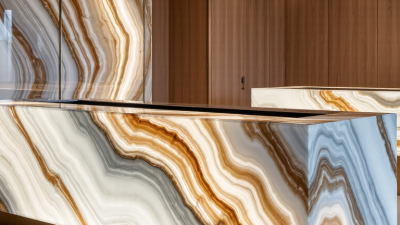
Artificial onyx is a manufactured decorative surface designed to imitate onyx’s flowing bands and translucent appearance. It is not one fixed recipe. Some slabs use mineral fillers bound with resin; others use acrylic-based blends or cast resin. Pigments create cloudy ribbons, while translucent layers can let light glow through an edge. The term “artificial onyx” is frustratingly broad, so two samples with similar patterns may behave differently.
Manufacturers typically mix fillers, resin, and colorants, then cast or press the blend in a mold. Controlled curing hardens the slab; sanding and polishing reveal its pattern. Exact methods and formulas vary by producer.
NIOSH notes that some engineered-stone products contain more than 90% crystalline silica, but that figure should not be assumed for every artificial-onyx product. Check the technical sheet for its actual composition, heat limits, and recommended cleaner.
For a backlit vanity, inspect a sample with the intended lighting: a small color shift can become obvious across a large panel. I would also ask how the surface handles chips, because glossy samples rarely show that weakness.
Where Artificial Onyx Can Be Used
Artificial onyx suits projects where light and pattern should become part of the design. Its translucent surface can create a soft glow behind reception desks, bar fronts, feature walls, and vanity panels. In kitchens, it can also serve as a decorative backsplash or countertop, provided the specific product is rated for that use. Houzz’s 2024 U.S. Kitchen Trends Study found that quartz was the most popular countertop material, chosen by 42% of renovating homeowners. This shows strong interest in engineered surfaces, though it does not prove artificial onyx is right for every kitchen.
Bathrooms and hospitality interiors offer other possibilities. A backlit vanity panel can make a small room feel warmer, while a lit bar face gives a lobby a clear focal point. But bright lighting can exaggerate seams and surface variation. That may be part of the appeal—or a costly surprise. Artificial onyx products differ in resin content, heat tolerance, UV stability, and moisture resistance. Review the technical sheet, sample the finish under the actual lighting, and confirm installation support before specifying it.
Tips: Reserve artificial onyx for protected feature areas unless product testing confirms heavier use. Ask for care instructions, seam details, and a full-size sample. Check the panel after dark, too.
Which Material Types Suit Your Project
Artificial onyx is not one uniform material. Its composition affects weight, translucency, seam visibility, and care requirements. Acrylic-based solid surface is relatively workable and can often be repaired if scratched. It suits vanity fronts, reception counters, and curved details. Resin-and-mineral panels can offer stronger veining and a glassier appearance, but formulations vary. Check the technical sheet rather than judging by a showroom sample alone. Some panels transmit light; others only imitate that effect. Test a sample beside the intended backlight.
For shower walls or busy counters, ask about water exposure, heat limits, surface finish, and approved cleaning products. A resin panel may need a stable substrate and careful joint sealing. Large, thin sheets can flex during handling.
That matters.
Porcelain-based alternatives are generally hard and heat resistant, though their edges and cutouts need skilled fabrication. They may also feel less translucent than resin products. Match the material to the installation, not just the pattern. One common misstep is choosing a dramatic sample before checking how its veining repeats across several sheets. I would request multiple samples and view them under the project’s actual lighting. Even then, color can shift slightly. Plan for that.
How to Compare Color, Pattern, and Finish
Compare color under the lighting the surface will actually receive. A warm ivory panel may look creamy beside oak, then turn yellow under cool LEDs. View a sample near flooring, paint, and cabinetry. Check it in daylight and after dark. Small samples can mislead.
Study the pattern at both close range and across a full sheet. Look for vein direction, repetition, and abrupt changes near corners or seams. Artificial onyx often offers more consistent patterning than natural stone, but printed or cast designs can still repeat visibly. That may matter on a long counter. Ask to see several full-size panels before approving a layout.
Finish changes both appearance and upkeep. Polished surfaces deepen color and reflect light, while honed finishes soften glare and can make details less vivid. Touch the sample; fingerprints and water marks may show differently than expected. If the design will be backlit, test a lit sample, since transmission varies by thickness and composition. I would not rely on a phone photo alone. It misses too much. Confirm the selected finish is suitable for the intended location, and review edge samples with the fabricator before cutting begins.
How to Choose the Best Artificial Onyx for Your Project - How to Compare Color, Pattern, and Finish
| Selection Factor | Typical Option | Appearance and Characteristics | What to Compare | Common Applications | Practical Considerations |
|---|---|---|---|---|---|
| Color | Warm ivory and cream | Soft, light background tones with warm beige or honey-colored areas. | Check the sample in both daylight and the project’s installed lighting. Compare undertones with cabinetry, flooring, and wall colors. | Vanity walls, reception features, decorative panels, and light-colored interiors. | Warm shades can look more yellow under warm lighting. Review a large sample where possible. |
| Color | Cool white and pale gray | A cleaner, cooler appearance, sometimes with gray or translucent-looking details. | Look for differences in whiteness, gray undertone, and color consistency between samples or production batches. | Contemporary interiors, bright feature walls, and spaces with cool-toned finishes. | Adjacent warm materials may make cool tones appear more pronounced. Confirm how the color reads in the actual room. |
| Color | Green, amber, or other saturated tones | More noticeable color, often chosen to make the surface a focal point. | Compare color intensity, distribution, and how the pattern looks beside the surrounding materials. | Accent panels, bar fronts, reception desks, and feature installations. | Strong colors can dominate a small space. Request a sample large enough to assess the overall visual effect. |
| Pattern | Fine, low-contrast veining | Subtle movement with relatively restrained differences between the background and veins. | Check whether the veining looks natural at the viewing distance and whether it remains consistent across adjoining pieces. | Large wall areas, quiet interiors, and projects where other elements provide visual detail. | Ask how the pattern repeats across slabs or panels, especially for installations with multiple sections. |
| Pattern | Bold or high-contrast veining | Distinct veins and stronger shifts in color create a more dramatic look. | Review the full slab or panel layout, vein direction, and possible alignment at seams or corners. | Statement walls, counters, feature niches, and carefully planned book-matched layouts. | Pattern matching may require extra material and detailed fabrication planning; confirm this with the fabricator. |
| Finish | Polished | Smooth, glossy surface that reflects more light and can make colors appear more vivid. | Inspect the gloss level, surface uniformity, and appearance under both direct and indirect lighting. | Decorative walls, counters, and installations where a reflective appearance is desired. | Reflections and fingerprints may be more noticeable. Follow the product’s care instructions and check suitability for the intended use. |
| Finish | Honed or matte | Lower-sheen appearance with less surface reflection than a polished finish. | Compare surface texture, color depth, and ease of cleaning using the supplier’s sample and care guidance. | Interiors where a softer, less reflective look is preferred. | Finish availability and maintenance requirements vary by product. Confirm cleaning recommendations before specifying. |
| Light transmission | Translucent or backlighting-compatible grade | Some artificial onyx products are designed to transmit light; the effect depends on the material, thickness, and lighting setup. | Request confirmation from the manufacturer that the selected product is suitable for backlighting, and view a lit sample if possible. | Backlit feature panels, bar fronts, and decorative installations. | Light transmission is product-specific. Plan for an even light source and confirm installation details with the fabricator. |
Note: Artificial onyx products vary in composition, color, pattern, finish, and performance. Check the current technical data, care instructions, and a representative sample before making a final selection.
How to Check Durability and Installation Needs
Artificial onyx can look seamless, but its durability depends on the material beneath the glossy face. Ask for a product-specific test report, not a showroom sample alone. For stone-like slabs, ASTM C880/C880M reports flexural strength; ceramic-based surfaces may use ISO 10545-3 for water absorption. These methods apply to different materials, so check that the report matches the exact panel. Compare test results across options, and inspect a cut edge for chips, bubbles, or uneven backing. A glossy finish can hide flaws. I still check the underside.
Installation needs deserve equal attention. Large panels can be heavy and brittle at corners, so confirm panel weight, approved substrate, adhesive type, and maximum unsupported span before ordering. Ask the installer how seams will align with taps, shelves, and wall corners. The Tile Council of North America’s Handbook discusses movement joints in tile assemblies; follow the panel maker’s instructions for any required gaps. Do not assume a tile detail suits a resin composite. A small mismatch can become a visible crack.
Tips: Request the technical data sheet and full test report for the chosen finish. Test a spare offcut with the intended cleaner, and dry-fit panels around outlets before applying adhesive. Photograph the layout. It helps, though it will not solve every site surprise.
How to Balance Cost, Care, and Long-Term Value
The cheapest artificial onyx may not be the least expensive choice over time. Compare the full installed cost, including cutting, edge finishing, support, and any specialist labor. Ask what the material is made from and request its care instructions. A sample can fool you. View it near a window and under the room’s evening lights, since translucency and veining can look quite different.
Care needs depend on the product’s composition and finish. Confirm whether the surface tolerates heat, sunlight, and common household cleaners; do not assume every slab behaves alike. For a vanity or bar, ask how water, cosmetics, and spills should be handled. Mild soap and a soft cloth are often safer starting points than abrasive pads, but follow the manufacturer’s guidance. Check whether seams, cutouts, and edges need special attention. Those small details can affect both appearance and maintenance.
Long-term value also depends on where the slab will be used. A decorative wall may need less frequent cleaning than a busy countertop, while a sunny room can expose some materials to fading or color change. Ask for written warranty terms and technical care documents, not just verbal assurances. I would avoid choosing by appearance alone; it is tempting, and easy to regret. If possible, inspect a larger sample and discuss repairs before ordering. A slightly higher upfront cost may be worthwhile when it reduces upkeep, but that depends on your use and the specific product.
FAQS
What is artificial onyx made from?
It may contain mineral fillers, resin, acrylic blends, pigments, or cast resin. Formulas vary. Check the product’s technical sheet.
Does every artificial onyx slab contain high levels of crystalline silica?
No. Composition differs between products, so one figure cannot describe every slab. Ask for the exact material details.
How can I judge its color before ordering?
Place a sample beside your flooring, paint, and cabinetry. Check it in daylight and evening lighting. Small samples can mislead.
What should I check in the pattern?
View several full-size panels. Look for repeated bands, vein direction, and abrupt changes near corners or seams. It may still repeat visibly.
Is a polished finish easier to maintain than a honed finish?
Not necessarily. Polished surfaces reflect more light, while honed finishes soften glare. Fingerprints and water marks may show differently.
Can artificial onyx be backlit?
Some slabs allow light through, but transmission depends on thickness and composition. Test a sample with the intended lighting before choosing.
What care does the surface need?
Follow the product’s care instructions. Mild soap and a soft cloth are often safer starting points than abrasive pads. Check first.
What costs should I compare beyond the slab price?
Include cutting, edge finishing, support, and specialist labor. Ask about repairs and written warranty terms. I wouldn’t choose by appearance alone.
Which locations suit artificial onyx best?
A decorative wall may need less frequent cleaning than a busy countertop. For sunny rooms, ask about fading or color change. I’m not fully convinced every product will behave alike.
Conclusion
Choosing the best Artificial Onyx starts with understanding how it is made and how its composition affects appearance, strength, and suitability. Consider where the material will be used, such as on a countertop, wall, feature panel, or other interior surface, and select a material type that fits the space’s practical demands. Compare colors, veining, pattern consistency, and surface finishes in person when possible, since lighting can change how they look.
Before making a decision, check the product’s resistance to wear, moisture, heat, and staining, along with any installation requirements. Some options may need specialist handling or additional support, which can affect the total project cost. Balance the initial price with cleaning needs, maintenance, expected lifespan, and repair considerations. The right choice is not simply the most striking or least expensive; it is the option that meets your design goals and performs reliably over time.
 How to Choose the Best Artificial Onyx for Your Project
 Why Choose Artificial Translucent Stone for Your Project?
 How to Choose Engineered Quartz Slabs in 2026?
 What Is Calacatta Quartz Countertop And Is It Durable?