You know, as folks around the world look for new, tough, and stylish choices for building and decorating, Engineered Stone is really catching everyone's eye. It’s a perfect mix of good looks, durability, and eco-friendliness, which is why more people are turning to it. Looking ahead to 2026, the way industry trends are shaping up, it’s clear this material is only going to gain more popularity.
Lately, there’s been a real push in making Engineered Stone even better—think eco-friendly production methods and some truly eye-catching designs. Companies like Caesarstone and Silestone are really leading the charge here. They’re using natural materials combined with cutting-edge tech to create surface solutions that look amazing. This shift isn’t just a passing fad; it’s becoming a must-have mindset for architects and designers who really want to make responsible choices. Essentially, sustainability isn’t just trendy anymore — it’s kinda essential.
That said, it’s not all smooth sailing. Not everyone fully gets why Engineered Stone is such a game-changer. Some folks might overlook its long-lasting nature or how low-maintenance it is. These misconceptions can lead to it being underused in certain projects, which is a shame. It’s super important for suppliers and marketers to really get the word out, helping clients understand just how many benefits there are. As the market keeps changing, tackling these misunderstandings will be key if they want to stay ahead.

Emerging Technologies in Engineered Stone Production for 2026
In 2026, engineered stone production is set to embrace new technologies that enhance both efficiency and quality. Innovative techniques in material synthesis will improve durability and aesthetic appeal. As manufacturers explore sustainable practices, the use of recycled materials will become more common. These methods may lower costs and reduce environmental impact, appealing to conscious consumers.
Automation will play a key role in the production process. Advanced machinery can streamline operations, reducing human error. This shift could lead to faster turnaround times and improved product consistency. However, reliance on technology also presents challenges. Concerns about job displacement and the quality of craftsmanship may arise.
Emerging technologies in engineered stone production offer exciting possibilities. Machine learning and artificial intelligence can optimize designs and predict trends. Yet, the industry must also address potential drawbacks. Maintaining a balance between innovation and traditional methods is crucial. Finding this balance will define the future landscape of engineered stone.
Sustainability Practices in the Engineered Stone Industry
The engineered stone industry is evolving, with sustainability at its core. From 2018 to 2023, reports showed a dramatic rise in eco-friendly practices among manufacturers. Over 70% of companies have adopted sustainable sourcing for raw materials. This shift not only meets consumer demand but also minimizes environmental impact.
Waste reduction is paramount. Research indicates that engineered stone production processes can generate over 50% less waste than traditional methods. Innovations in recycling have led to the reuse of up to 90% of water used in production. As manufacturers invest in technological advancements, they also contribute to a circular economy model.
Maintaining transparency is essential. Consumers seek information about material origins and production practices. Ensuring compliance with global sustainability standards can build trust. Focus on local sourcing can also enhance community support. This approach to sustainability creates an opportunity for continuous improvement and reflection in this rapidly changing industry. Incorporating customer feedback can help companies identify areas needing attention. Engaging with stakeholders ensures a collective commitment toward environmental responsibility.
Top Color and Design Trends for Engineered Stone Surfaces
In 2026, engineered stone surfaces are evolving with striking color palettes and innovative designs. Earthy tones will dominate, reflecting natural elements. Shades like terracotta, olive green, and sandy beige will become popular. These colors evoke a sense of calm and connection to nature. Consumers are seeking warmth and coziness in their spaces.
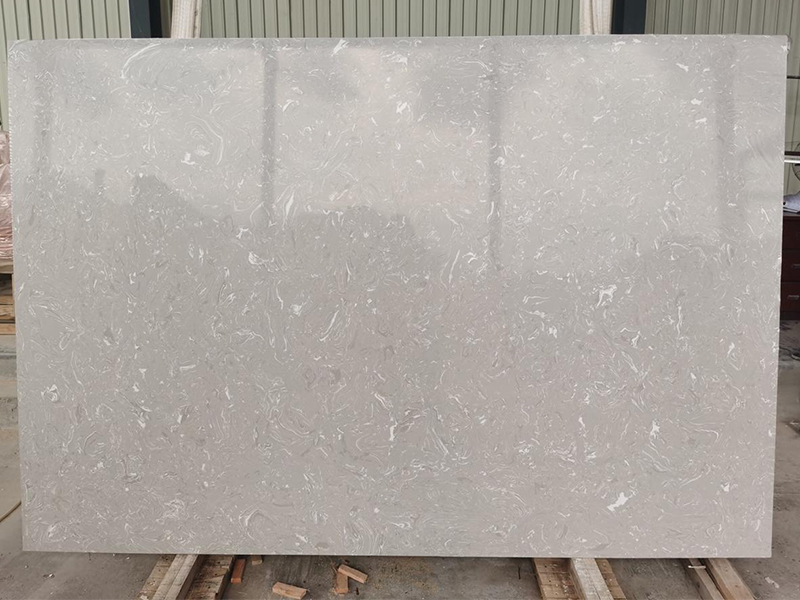
Marble-like finishes paired with bold veining are gaining traction. These designs mimic the elegance of natural stone but offer better durability. Additionally, geometric patterns are emerging, adding visual interest without overwhelming the space. The combination of simplicity and complexity can create unique focal points.
Some buyers may struggle to choose between trends. What looks trendy now can quickly change. It’s essential to consider longevity in style. Mixing colors and styles can lead to a cohesive look, but it requires careful planning. Finding the right balance between modern elements and timeless appeal can be challenging. Thoughtful selections can enhance any environment while reflecting personal taste.
Global Market Analysis: Engineered Stone Demand and Supply 2026
The engineered stone market is expected to experience significant growth by 2026. According to a recent report, the global demand for engineered stone is projected to reach $18 billion. This surge is driven by the increasing popularity of sustainable materials in construction. Many consumers are seeking eco-friendly alternatives to natural stone.
Supply chain dynamics also play a crucial role. Experts show that the supply of raw materials is fluctuating. Disruptions and delays in transportation raise concerns about consistent availability. Such issues can lead to price volatility, which affects buyers globally. Market analysts report that manufacturers must adapt efficiently to mitigate these risks.
While the outlook appears bright, challenges remain. Quality control becomes paramount as more players enter the market. Ensuring product reliability will be critical to meet consumer expectations. Building trust in the supplied materials is essential for long-term success. As the market evolves, stakeholders should remain vigilant and responsive to the changing landscape.
Innovations in Engineered Stone Applications Across Various Industries
The engineered stone market is undergoing significant transformations. As technology advances, new applications are emerging across various industries. This trend highlights the material’s versatility and durability. In architecture, engineered stone is increasingly used for facades and countertops. The aesthetic appeal combined with strength makes it a favored choice among designers.
In the manufacturing sector, engineered stone is making waves. It is gaining popularity for its low maintenance and resilience. Industries are looking for sustainable solutions. Using engineered stone in places like hotels and restaurants enhances both appearance and functionality. However, the industry's reliance on synthetic materials raises questions about environmental impacts.
There is a growing trend to incorporate recycled materials. This shift aims to reduce waste and promote sustainability. Innovative companies are exploring this avenue, but challenges remain. The process of integrating sustainability while maintaining quality is complex. The journey towards fully sustainable engineered stone products calls for continuous effort and rethinking.
Consumer Preferences Impacting Engineered Stone Trends in 2026
In 2026, consumer preferences will significantly shape the engineered stone market. Buyers increasingly seek sustainable materials. Eco-friendly options resonate well with environmentally conscious consumers. This push for sustainability is more than a trend; it reflects a fundamental shift in values. Manufacturers are challenged to meet these demands while ensuring quality.
Aesthetic appeal remains crucial. Consumers show a preference for unique textures and colors. Customization is at the forefront of many buyers' minds. They want products that reflect their individuality. This desire for personalization may require producers to rethink standard offerings. How can they innovate while maintaining efficiency?
The importance of durability cannot be overlooked. Customers expect engineered stone to withstand the test of time. This blending of beauty and strength creates high expectations. However, there is still room for improvement in production methods. Sustainability and performance must coexist. Striking this balance will be key for success in the evolving market.
Future Challenges and Opportunities for Engineered Stone Manufacturers
Engineered stone is witnessing a notable evolution, yet challenges loom large for manufacturers. According to a report by Mordor Intelligence, the global engineered stone market is expected to grow at a CAGR of 6.3% between 2022 and 2027. This indicates a strong demand, which also brings a complex web of obstacles.
Sustainability is an area that requires immediate attention. Many manufacturers struggle with eco-friendly practices. For instance, waste management remains a significant issue. The production of engineered stone relies heavily on natural resources. Recent studies indicate that nearly 70% of factories are struggling to comply with increasing environmental regulations. This pressure can drive costs up and limit market access for companies that fall short.
Innovation offers a beacon of hope. Adapting to new technologies can enhance product performance and efficiency. Digital tools, such as advanced analytics and AI, can streamline operations. However, only a small percentage of manufacturers are currently leveraging these technologies effectively. A lack of skilled workforce to implement these advancements also poses a risk. Embracing change is crucial yet remains a challenge for many in the industry.
FAQS
: Earthy tones, like terracotta and olive green, will dominate, creating a calming connection to nature.
Marble-like finishes with bold veining offer elegance and durability, adding sophistication to any space.
Trends can change quickly, making it hard to balance modern and timeless styles in selection.
Many buyers seek eco-friendly options, reflecting a shift in values toward environmentally conscious choices.
Fluctuating raw material supply and transportation delays can lead to pricing issues and availability concerns.
Buyers desire unique textures and colors, pushing manufacturers to rethink standard offerings to reflect individuality.
Quality control will be vital as more players enter the market to build trust and meet consumer expectations.
Customers want materials that withstand the test of time, blending beauty with long-lasting performance.
There is room for improvement in achieving a balance between sustainability and product performance in manufacturing.
Conclusion
The article "2026 Best Engineered Stone Trends for Global Buyers" explores the dynamic landscape of engineered stone in the coming years. Key areas of focus include emerging technologies in production, the implementation of sustainability practices, and evolving color and design trends that appeal to consumers. The global market analysis reveals an anticipated surge in demand and supply for engineered stone, driven by its versatility and aesthetic appeal.
Moreover, innovations in applications across various industries, along with shifts in consumer preferences, are shaping the future of engineered stone. As manufacturers navigate challenges such as competition and environmental concerns, there lie significant opportunities for growth and adaptation. Overall, the insights presented in the article suggest that engineered stone will continue to be a vital component in various sectors, attracting attention from global buyers seeking quality and sustainability.



 What Did the 24th Shuitou Stone Expo Signal for 2026 Global Stone Sourcing?
 2026 How to Choose Sintered Stone for Global Projects?
 Top Sintered Stone Countertop Manufacturers Worldwide
 China's Five Stone Export Markets in 2026: Korea, ASEAN, the Middle East, the EU, and the US — Ranked