You know, the global demand for Engineered Marble is really shaking up the stone industry lately. According to a recent report by Market Research Future, the market for these engineered stones is expected to hit over $60 billion by 2027—that's pretty incredible! And if you look back to 2020, the growth rate has been around 6% annually—that's solid growth, for sure.
When it comes to suppliers, China is definitely starring at the top of the list. They’re leading the charge with some pretty innovative designs and strong manufacturing capabilities. Companies like Guangdong Yitian and VN Stone have really pushed the envelope, making big advancements in tech and production speed. Plus, their focus on quality means customers can count on getting products that aren’t just good-looking but also durable.
That said, picking the right supplier isn’t always a walk in the park. The market's super competitive, so buyers really need to carefully weigh their options—checking out how reliable and consistent the suppliers are. It’s also key to look for transparency in their sourcing and production practices. As demand keeps climbing, staying cautious and thoughtful about who you work with becomes more important than ever in this lively market.

Overview of Engineered Marble and Its Applications
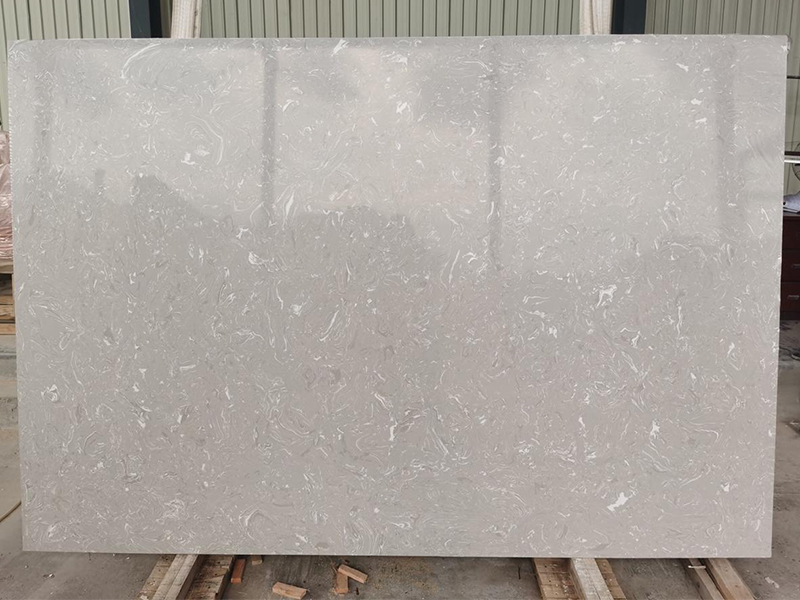
Engineered marble is a versatile material that has gained popularity in various applications due to its aesthetic appeal and durability. This composite material typically combines natural stone dust and resins, resulting in a product that mimics the look of natural marble while offering enhanced functionality. According to market research, the global engineered stone market is projected to grow at a compound annual growth rate (CAGR) of 7.9% from 2021 to 2026, emphasizing its rising demand.
Engineered marble is widely used in residential and commercial spaces. Common applications include countertops, flooring, and wall cladding. Its non-porous surface makes it resistant to stains and bacteria, which is ideal for kitchens and bathrooms. Furthermore, the material is customizable in colors and patterns, allowing designers to create unique spaces. However, potential buyers should be aware of quality variations among suppliers. Not all products perform equally, and it is essential to consider factors like density and resin quality.
Tips: When sourcing engineered marble, always request samples. Check for certifications that ensure quality and durability. Research supplier reputation in the industry for reliable options. Seek feedback from professionals who have experience with the products.
Key Benefits of Using Engineered Marble in Construction
Engineered marble has become a popular choice in construction due to its unique advantages. It offers both aesthetic appeal and practical benefits. According to recent industry reports, the global engineered stone market is projected to grow significantly, reaching a value of approximately $60 billion by 2027. This growth reflects the increasing demand for materials that combine beauty and durability.
One of the key benefits of using engineered marble is its resilience. Unlike natural stone, engineered marble is less prone to chipping and cracking. It also has a non-porous surface, which makes it more resistant to stains and bacteria. This property is essential in environments like kitchens and bathrooms, where hygiene is crucial. Additionally, engineered marble can be produced in various colors and patterns, providing a high level of customization in design.
Tips: Always check the quality of engineered marble before purchase. Look for certifications that indicate its durability and safety. While these materials are robust, improper installation can still lead to issues. Regular maintenance is essential to preserve their appearance and functionality. Consider consulting with a professional to ensure the best results.
Criteria for Selecting Reliable Engineered Marble Suppliers
When selecting engineered marble suppliers in China, certain criteria are essential. Quality should be a top consideration. Reports indicate that about 70% of businesses prioritize material quality over price. Checking for adherence to international quality standards can provide insights into the supplier's reliability. Certifications such as ISO 9001 signal a commitment to quality management.
Additionally, communication and support are critical factors. A supplier that offers clear communication can prevent misunderstandings. Maintaining a responsive customer service team enhances trust. According to industry data, 65% of customers are willing to pay more for better service. Supplier reviews can showcase experiences. However, not all online reviews are trustworthy. It's crucial to delve deeper and verify claims.
Lastly, consider the supplier's manufacturing capabilities. A factory with modern technology can produce a more consistent product. Surveys show that 40% of manufacturers still operate with outdated equipment, impacting quality. Look for suppliers that exhibit innovation. This commitment to modern practices often reflects reliability.
Engineered Marble Suppliers Performance Comparison
Top Engineered Marble Supplier Profiles in China
Engineered marble has gained significant popularity in construction and interior design. This growth is largely driven by its aesthetic appeal and sustainability. In China, the engineered marble market is expected to reach $2.9 billion by 2025, reflecting a compound annual growth rate of 10.6%. Such data underscores the emerging influence of this material in the global market.
Top suppliers in China offer a diverse range of engineered marble products. These suppliers typically blend natural stone with resins, creating durable surfaces ideal for countertops and flooring. Many manufacturers are investing in advanced technology to ensure product quality and environmental compliance. However, challenges persist. Some suppliers struggle with consistent raw material sourcing, affecting production schedules. This inconsistency can lead to variability in product quality, prompting designers to carefully evaluate their options.
Research indicates that customer preferences are shifting towards eco-friendly materials. Suppliers who prioritize sustainable practices often gain a competitive edge. However, transparency in sourcing and production remains a significant concern among buyers. Engaging with suppliers who provide clear information on their processes can mitigate risks and foster trust. The market is evolving, and suppliers must adapt to these changes to meet customer demands effectively.
Comparative Analysis of Prices Among Leading Suppliers
When exploring engineered marble, understanding the price brackets of various suppliers in China is crucial. Prices can fluctuate based on quality, sourcing methods, and overall business reputation. A clear comparative analysis can help you make informed decisions.
Quality varies significantly among suppliers. Some emphasize cutting-edge technology, while others may leverage traditional craftsmanship. A detailed look at each supplier's portfolio provides insights into their strengths and weaknesses. Ensure you consider additional costs such as shipping and import taxes when calculating total expenditure.
Tips: Always request samples before making large purchases. This allows you to assess quality and color consistency directly. Research suppliers' history and customer reviews for a better perspective on reliability. Lastly, willing to negotiate can yield better deals. Remember, saving money should not compromise quality.
Challenges in Sourcing Engineered Marble from China
Sourcing engineered marble from China can pose several challenges. Quality control is a significant concern. According to a report by the Global Stone Market Research, defects in engineered marble can reach up to 15% in some shipments. This can lead to delays and additional costs for buyers.
Another challenge is communication barriers. Many suppliers may not speak fluent English, which complicates negotiations. Misunderstandings can occur, leading to mistakes in orders. A survey indicates that 40% of international buyers report issues due to poor communication with suppliers. This creates an environment of uncertainty, where expectations are not met.
Furthermore, fluctuating costs are an ongoing issue. The materials used in engineered marble can vary in price based on market conditions. One industry analysis found that prices jumped by over 10% in a single year. Buyers must be vigilant or risk overpaying. Addressing these challenges requires diligence and a strategic approach.
Future Trends in the Engineered Marble Market in China
The engineered marble market in China is evolving rapidly. As urbanization increases, demand for affordable materials rises. Engineered marble is becoming a preferred choice for interiors. It offers versatility in design and durability. This trend reflects a growing interest in sustainable materials. More architects and designers are opting for eco-friendly solutions.
In China, several suppliers are adapting to these market shifts. Many are investing in new technologies. These advancements enhance the quality and aesthetic appeal of engineered marble. Suppliers are also focusing on customization options. This allows clients to create unique designs for their spaces. However, the competition is fierce. Some suppliers struggle to keep up with changing consumer preferences.
Despite these challenges, the future appears bright for the industry. As both residential and commercial projects grow, the potential is vast. Observers note that the quality of materials continues to improve. However, maintaining affordability remains a hurdle. It’s crucial for suppliers to balance innovation and cost. Reaching this equilibrium will determine who succeeds in this dynamic market.
FAQS
: Look for adherence to international quality standards. Certifications like ISO 9001 indicate quality management commitment.
Clear communication helps avoid misunderstandings. A responsive customer service team builds trust with clients.
Not all online reviews can be relied upon. It's essential to research and verify the claims made.
Suppliers with modern technology can produce consistent products. Outdated equipment may negatively impact quality.
The market is growing due to urbanization. There’s a rising demand for affordable and durable materials.
Customization options are increasing. More clients seek unique designs tailored to their spaces.
Some suppliers struggle to adapt to changing consumer preferences. The competition is intense and growing.
There is a growing interest in sustainable materials. Architects prefer eco-friendly solutions in their designs.
Balancing innovation with affordability is key. Suppliers who manage this well are more likely to thrive.
Yes, the quality of engineered marble is improving. However, maintaining affordability remains a significant challenge.
Conclusion
This article provides a comprehensive overview of engineered marble, exploring its applications and the numerous benefits it offers in construction, such as durability, aesthetic appeal, and low maintenance. It emphasizes the importance of choosing reliable suppliers by outlining key criteria to consider, ensuring quality and sustainability in sourcing engineered marble.
Furthermore, the article profiles leading engineered marble suppliers in China and presents a comparative analysis of their pricing, allowing readers to make informed purchasing decisions. It also addresses the challenges often encountered in sourcing this material and discusses the future trends in the engineered marble market within China, highlighting the evolving landscape and opportunities for growth. Overall, this summary serves as a guide for industry stakeholders looking to navigate the engineered marble market effectively.



 What Did the 24th Shuitou Stone Expo Signal for 2026 Global Stone Sourcing?
 2026 How to Choose Sintered Stone for Global Projects?
 Top Sintered Stone Countertop Manufacturers Worldwide
 China's Five Stone Export Markets in 2026: Korea, ASEAN, the Middle East, the EU, and the US — Ranked