Artificial Onyx has really gained popularity when it comes to home decor and jewelry. It’s pretty amazing how this stuff mimics the look of natural onyx, but it’s often way more versatile and budget-friendly. These days, a lot of designers are using Artificial Onyx in their projects — its bold colors and interesting patterns can totally transform any space or piece of jewelry you’re working on.
What makes Artificial Onyx so appealing is that it manages to give off that luxurious vibe without the hefty price tag. Plus, it’s lighter, more durable, and usually easier to take care of compared to the real deal. Brands like LuxStone Creations are really leading the charge here, making high-quality options that folks can trust for both style and reliability.
That said, not all Artificial Onyx is the same. Some versions might not have the same depth or richness as natural stones do. So, if you’re shopping around, it’s a smart move to stick with reputable brands and do a bit of research. Going for quality definitely pays off in the long run, making your home or jewelry pieces look even better. Basically, understanding both the perks and the limitations of Artificial Onyx can help you make smarter choices and get the most out of these designs.

Benefits of Artificial Onyx in Enhancing Home Aesthetics
Artificial onyx has emerged as a popular choice for enhancing home aesthetics. Its rich colors and unique patterns can transform any space into a visual delight. According to industry reports, home decor materials featuring onyx can increase overall aesthetic appeal by as much as 30%. This makes it an excellent option for homeowners looking to elevate their interiors.
In jewelry design, artificial onyx offers versatility and durability. Its resilience means it can withstand daily wear while maintaining its beauty. Data shows that pieces made from artificial onyx can be up to 40% lighter than natural onyx, making them more comfortable to wear. Additionally, the variety of colors available means that designers can create distinctive pieces tailored to individual tastes and preferences.
Choosing artificial onyx also has practical advantages. It is generally more affordable than its natural counterpart. This can encourage experimentation in decor and jewelry design without a significant financial commitment. However, some artisans may find that the artificial variant lacks the unique depth found in natural stone. This sometimes raises questions about authenticity and craftsmanship. Despite these considerations, the benefits often outweigh the drawbacks, leading many to embrace artificial onyx in their designs.
Durability Comparison: Artificial Onyx vs. Natural Stone
When comparing artificial onyx to natural stone, durability plays a vital role. Artificial onyx is designed to withstand everyday wear and tear. It resists scratching and chipping better than many natural stones. This makes it an ideal choice for high-traffic areas in homes. The surface remains vibrant and intact longer.
In contrast, natural stone can be more fragile. Variations in mineral composition can lead to weaker areas. Over time, natural stones may show more signs of aging. They require regular sealing to maintain their appearance. Artificial onyx, however, doesn't have these specific care requirements. It offers an appealing look without the added maintenance.
Yet, it's important to consider the environmental impact of artificial materials. Manufacturing processes can affect sustainability. Some might argue that natural stones are more authentic. Each piece tells a unique geological story. Both options have their pros and cons, and personal preference plays a significant role in the decision-making process. Balance aesthetics with practicality when choosing between them.
Durability Comparison: Artificial Onyx vs. Natural Stone
Cost-Effectiveness of Artificial Onyx in Interior Design
Artificial onyx has emerged as a popular choice in interior design, especially due to its cost-effectiveness. Research indicates that the price of artificial onyx can be significantly lower than natural stone, making it more accessible for various budgets. In fact, reports suggest that homeowners can save up to 50% when opting for synthetic stones over traditional materials. This affordability allows for creative flexibility in home decor projects without compromising style.
The durability of artificial onyx also plays a role in its cost-effectiveness. Unlike natural stone, which can be prone to chipping and cracking, artificial variations are engineered to resist damage. This means reduced maintenance costs and longer lifespans. Interior designers are increasingly integrating this material into projects where budget constraints are a concern. It offers the same aesthetic appeal as granite or marble, allowing for high-end looks with lower expenses.
When considering artificial onyx for your next project, keep these tips in mind: explore various finishes and colors to enhance the visual impact. Don’t overlook the benefits of combining artificial onyx with other materials, which can create a unique design. Also, stay informed about new trends in artificial stone technology as this field is rapidly evolving. This can help you make more informed decisions that align with both your budget and design goals.
Top Benefits of Artificial Onyx for Home Decor and Jewelry Design
| Benefit |
Description |
Cost-Effectiveness |
| Aesthetic Appeal |
Artificial onyx has vibrant colors and unique patterns that enhance visual appeal in decor. |
Less expensive than natural onyx, making it accessible for various design projects. |
| Durability |
Resistant to scratches and chips, suitable for everyday use in home settings. |
Long-lasting material that reduces replacement costs over time. |
| Versatility |
Can be used in a variety of settings, from countertops to decorative pieces. |
Cost-effective for multiple applications, allowing for cohesive design themes. |
| Easy Maintenance |
Simple to clean with common household products, maintaining its beauty. |
Saves money on specialized cleaning products and services. |
| Sustainability |
Manufactured using eco-friendly processes compared to natural stone extraction. |
Reduces environmental impact, often at a lower price than natural options. |
Versatility of Artificial Onyx in Various Home Decor Styles
Artificial onyx offers remarkable versatility in home decor. Its unique patterns and rich colors can complement various styles, from modern minimalism to classic elegance. A report by the National Home Decor Association highlights that 35% of consumers prefer decorative materials that provide both beauty and functionality. This makes artificial onyx a popular choice for homeowners looking to elevate their spaces.
In addition to aesthetics, artificial onyx is highly adaptable. It can be used for tabletops, wall art, and even lighting fixtures. The ability to mimic natural stone makes it a cost-effective alternative. A recent study found that more than 60% of interior designers recommend artificial onyx due to its low maintenance needs combined with high visual impact. This is particularly helpful for families or individuals seeking durability without compromising on style.
Tip: When using artificial onyx, consider mixing it with other materials. This can create a layered effect that enhances depth in your decor. For example, pairing it with wood or metal can provide contrast and balance. Quality varies, so always check for certifications to ensure you select reliable products. Embrace imperfections as they add character, and choose pieces that resonate with your personal style.
Sustainability Aspects of Using Artificial Onyx for Jewelry
Artificial onyx is becoming popular in the jewelry industry due to its sustainability advantages. This beautiful stone is crafted from non-toxic materials. It offers a stunning appearance while minimizing environmental impact. Unlike natural stone mining, the production of artificial onyx consumes fewer resources and results in less waste.
Using artificial onyx allows designers to create unique pieces without compromising the planet’s health. The material can be produced in various colors and patterns, providing endless design options. Artisans can create intricate jewelry while ensuring their practices are eco-friendly. The lightweight nature of artificial onyx also reduces energy expenditure during transportation.
However, there are challenges that need addressing. Some consumers may doubt the durability of artificial materials compared to natural stones. Ongoing education and transparency about production methods can help alleviate these concerns. As the industry evolves, embracing artificial onyx can lead to innovative designs and a more sustainable future for jewelry.
Color Customization Options in Artificial Onyx Products
Artificial onyx has gained popularity in home décor and jewelry design, offering extensive color customization options. This versatility allows designers to create unique pieces that resonate with personal aesthetics. According to a report from the Global Market Insights, the artificial stone market is projected to exceed $80 billion by 2027, showcasing increasing demand for customizable materials.
Color options in artificial onyx range from vibrant hues to subtle pastels. This variety allows homeowners and jewelers to tailor products that match specific interior trends. For instance, deep blue and emerald green shades are current favorites, aligning with nature-inspired designs. On the other hand, some colors may not appeal universally. A bold choice might overwhelm a subtle space, proving that selection requires careful consideration.
Furthermore, the production of artificial onyx focuses on sustainability, as many companies prioritize eco-friendly practices. However, some environmental concerns persist related to the manufacturing process. Understanding these aspects is vital for consumers. Balancing creativity with sustainability can present challenges. Maintaining quality while offering diverse color options adds another layer of complexity. By addressing these issues, designers can ensure that artificial onyx continues to enhance both home décor and jewelry design.
Market Trends: Artificial Onyx in Contemporary Jewelry Design
Artificial onyx has become popular in contemporary jewelry design. Its unique appearance mimics natural stones while offering more versatility. Designers appreciate the ability to create vibrant colors and patterns that aren’t always possible with genuine materials. This flexibility allows for innovative pieces that cater to various tastes and occasions.
The market trends indicate a growing preference for sustainable materials. Consumers are becoming more conscious of eco-friendly options. Artificial onyx presents an appealing choice for those who seek stylish yet responsible designs. Although its allure is undeniable, some purists may question the authenticity of synthetic stones. This debate highlights the evolving definitions of luxury and natural beauty in today’s market.
Jewelry crafted from artificial onyx can be stunning but also raises concerns about quality. Design choices can significantly affect the final product. Simple, sleek designs often allow the beauty of the stone to shine through. However, overly complex pieces can sometimes overwhelm the material’s natural elegance. As trends continue to evolve, it is essential to maintain a balance between creativity and authenticity.
FAQS
: Artificial onyx enhances aesthetics with rich colors and unique patterns, increasing appeal by up to 30%.
Artificial onyx is more resistant to scratching and chipping, making it ideal for high-traffic areas.
Yes, artificial onyx is generally more affordable, allowing for creative designs without significant expenses.
Absolutely! It complements styles from modern minimalism to classic elegance with its versatility and adaptability.
No, it requires less maintenance than natural stone, making it a practical choice for busy households.
It's important to check for quality certifications and embrace imperfections that add uniqueness to each piece.
Conclusion
Artificial Onyx is increasingly recognized for its numerous benefits in home decor and jewelry design. Its ability to enhance home aesthetics is notable, as it comes in various colors and patterns that can complement any interior style. Unlike natural stone, artificial onyx demonstrates superior durability, making it a practical choice for high-traffic areas. Additionally, it offers cost-effectiveness, enabling homeowners to achieve a luxurious look without significant financial investment.
Furthermore, artificial onyx is versatile and easily customizable, allowing for unique designs that can suit various tastes and preferences. Its use in contemporary jewelry design reflects current market trends, as the material not only adds elegance but also aligns with sustainability values. The combination of beauty, practicality, and environmental considerations makes artificial onyx a compelling choice for both home decor and jewelry applications.

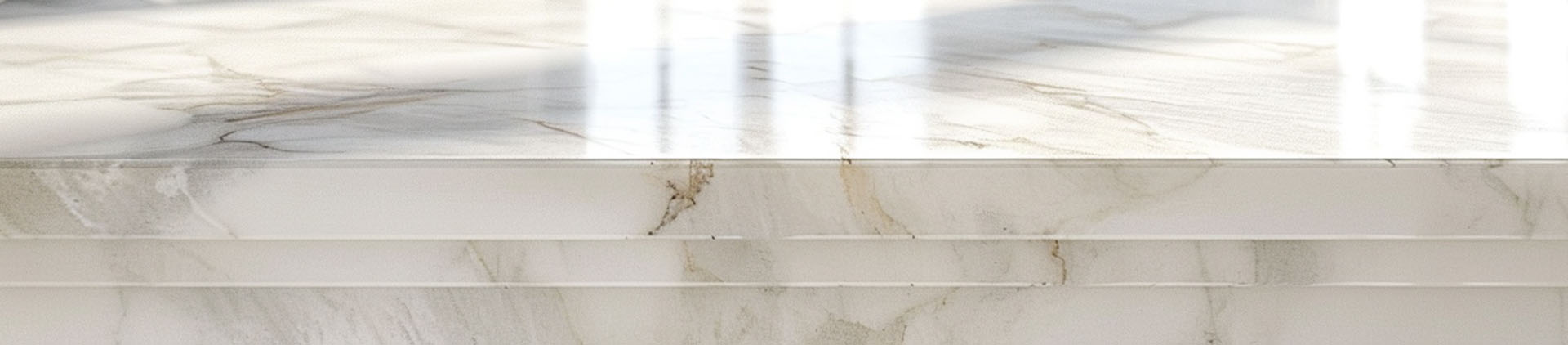


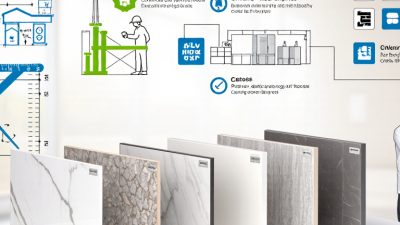 7 Best Artificial Quartz Slab Suppliers Worldwide?
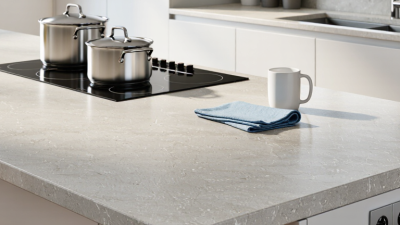 Why Choose Sintered Stone Countertops?
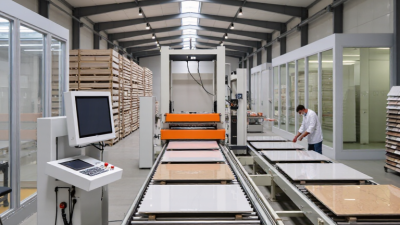 Why Choose an Artificial Stone Factory for Global Buyers?