Picking the right material for your projects can honestly feel pretty overwhelming sometimes. Lately, I’ve noticed 'Artificial Translucent Stone' popping up more often—people love it because it’s kinda like the best of both worlds: beautiful and functional. It’s designed to look just like natural stone, but it’s actually way more versatile, which makes it a favorite among designers. They often point out how it’s not just good-looking but also durable enough to handle daily wear and tear.
When you’re thinking about using Artificial Translucent Stone, it’s really important to think about what your project actually needs. Things like texture, color, and thickness all play a big role in how everything will turn out. Not all stones are the same, though—some might scratch super easy, while others might crack or break if they’re used heavily. So, it’s worth taking your time to check these things out carefully.
Also, don’t forget to do a bit of homework on different suppliers. Reputable companies usually send out sample pieces so you can get a feel for what you’re buying. But honestly, reviews and opinions can be pretty helpful too—sometimes, stuff looks gorgeous in photos but doesn’t quite live up in person. So, weighing all these factors is super important before you make a decision. Striking that balance between looking good and actually being practical is what really makes or breaks a project, after all.

Understanding Artificial Translucent Stones and Their Applications
Artificial translucent stones offer unique aesthetic and functional benefits, making them popular in various applications. These materials are often used in interior design, architectural features, and furniture. Their ability to diffuse light creates stunning visual effects that enhance spaces. According to a recent industry report from the Global Translucent Stone Association, demand for these materials has increased by 15% over the last five years due to their versatility.
When selecting artificial translucent stones, consider the specific application. Different types of stones have varying properties. For example, some may offer better durability, while others excel in light transmission. It’s essential to match the stone’s characteristics with your project needs. Take note of textures and finishes, as these can significantly influence the final appearance.
Tips: Always test samples before committing. Visualize the stone in the actual environment. Not all stones perform the same under various lighting conditions. Understand the limitations as well. Some stones may not withstand outdoor conditions. Reflect on the potential for discoloration over time. Choosing the right stone requires careful consideration of both beauty and practicality.
How to Choose the Best Artificial Translucent Stone for Projects?
| Dimension |
Properties |
Applications |
Considerations |
| Thickness |
Durability, Light Transmission |
Countertops, Wall Panels |
Cost, Installation Complexity |
| Color Variability |
Translucency, UV Stability |
Lighting Fixtures, Decorative Elements |
Color Coordination, Aesthetics |
| Surface Finish |
Texture Options, Gloss Level |
Furniture Design, Arts and Crafts |
Maintenance Needs, Slip Resistance |
| Size Availability |
Custom Sizes, Availability |
Architecture, Interior Design |
Lead Time, Shipping Costs |
| Environmental Impact |
Sustainability, Recyclability |
Green Building Projects |
Compliance with Standards |
Key Factors to Consider in Selecting Translucent Stones
When selecting artificial translucent stones, several key factors are critical. First, consider the stone's transparency and color. Different projects demand varying degrees of light transmission. For instance, a bathroom might benefit from softer tones, while a commercial space could require bolder colors. It's essential to evaluate how the stone interacts with light to achieve the desired aesthetic.
Another important aspect is the durability of the material. Translucent stones should withstand wear and tear, especially in high-traffic areas. Assess the finish and surface treatment for scratch resistance. Some stones may look stunning but could lack the necessary strength for everyday use. It’s worth conducting thorough research to compare how different materials perform over time.
Cost is often a deciding factor as well. Artificial translucent stones come at various price points. Cheaper options may compromise on quality, while high-end stones often provide better longevity and appearance. Weighing these costs against the long-term benefits can be challenging. It’s important to balance budget constraints with your project requirements. Look for local suppliers or experts who can guide you, as firsthand insights can reveal much about the materials you are considering.
Evaluating the Aesthetic Qualities of Artificial Translucent Stones
When evaluating artificial translucent stones for projects, aesthetics take center stage. These materials are popular for their impressive ability to mimic natural stones while allowing light to pass through. A report by the International Stone Institute indicates that about 80% of designers prioritize visual appeal in their selections. The sheer variety of colors and finishes available can enhance the look of any space.
Transparency and color saturation greatly impact the final appearance of these stones. Choosing a stone that perfectly balances these qualities can significantly influence the overall design. However, pitfalls exist. Some stones may appear beautiful under bright showroom lights but look different in natural lighting. It's essential to view samples in various light conditions before making a final decision.
Furthermore, the texture can affect how light interacts with the surface. Polished stones may look luxurious but can also overwhelm a subtle design aesthetic. In contrast, matte finishes provide a more subdued elegance. Understanding the interplay of texture, light, and color can lead to a more harmonious project outcome. There is no perfect solution; each choice involves trade-offs and reflection on the desired end result.
Assessing Durability and Maintenance Requirements
When choosing artificial translucent stone, durability and maintenance are key aspects. Consider the material's resilience to scratches, stains, and heat. A durable surface can withstand daily wear and tear, making it ideal for busy environments. Evaluate how it holds up against cleaning agents. Some stones may discolor with harsh chemicals, while others resist staining better.
Tips: Test your stone with common household cleaners. This way, you can see how it reacts. Regular maintenance is crucial. Wipe surfaces with a gentle cleaner to extend their life. Be aware that some stones can show wear over time, especially in high-traffic areas.
Not all artificial stones are equal in maintenance needs. Some require sealing to prevent stains, while others are more resilient. This can lead to varied long-term upkeep efforts. Reflect on your project's specific demands; sometimes, easier care comes at a premium. Consider your lifestyle and how often you'll clean the surfaces.
Comparing Costs and Budget Considerations
When considering artificial translucent stone for projects, cost and budget are critical factors. Prices can vary significantly based on material quality, supplier, and design complexity. For instance, reports indicate that high-end translucent surfaces may cost between $50 to $150 per square foot, while more affordable options can range from $20 to $50. Factors like sourcing, manufacturing processes, and aesthetics play a substantial role in these price fluctuations.
Budgeting accurately requires detailed planning. It’s essential to consider installation costs, which often add 30% to 50% to the overall material cost. Projects that require intricate designs or unique finishes can lead to unexpected expenses. Data from industry research shows that nearly 70% of contractors face budget overruns due to overlooked installation requirements or additional materials. Many project managers recommend building in a contingency of at least 10% to address unforeseen costs.
Customers often prioritize aesthetics over budget. However, it’s crucial to weigh long-term benefits against short-term savings. Investing in higher-quality translucent stones can lead to better durability and lower maintenance costs. Yet, affordability shouldn’t be disregarded; compromising quality can result in frequent replacements, which ultimately costs more. Balancing these considerations requires a thorough assessment of both immediate and future needs.
Sourcing and Purchasing Options for Translucent Stones
When sourcing and purchasing artificial translucent stones for your projects, it's essential to consider key factors. The market for translucent stones is projected to grow at a CAGR of 7% from 2021 to 2026, according to industry reports. This highlights the increasing demand for these materials in construction and interior design.
Explore various suppliers to compare quality and prices. Investigate local distributors and online platforms. Ensure they provide detailed information about the stones' origins and manufacturing processes. Solid transparency regarding sourcing reflects credibility. Look for stones that offer consistent color and texture for a cohesive look in your project.
Tip: Always request samples before making a bulk purchase. Evaluating the stones physically helps in understanding their translucency and durability. Anticipate variations in color or finish, as this may affect the overall aesthetic of your project. Be prepared to adjust your design to accommodate these differences.
Consider your project's specific needs. Natural light and existing decor can affect how the stones appear. Prioritize stones that complement your objectives while being mindful of sustainable sourcing. Tracking trends and understanding material performance will ensure you make the best choice.
Installation Methods and Best Practices for Projects
When considering installation methods for artificial translucent stone, precision is essential. Begin by preparing a clean and level substrate. A smooth surface ensures better adhesion and reduces the risk of cracks. The right adhesive is crucial; using a strong, flexible material will accommodate natural shifts over time. Apply the adhesive evenly, making sure to remove any excess immediately.
As you place the stone, employ a gentle, even pressure to achieve a good bond. Use spacers to maintain consistent gaps between pieces, which enhances the visual appeal. Lighting plays a vital role in showcasing translucent qualities. Positioning lights behind the surface can create beautiful effects. Check alignment frequently to prevent uneven surfaces, as this can detract from the overall aesthetic.
After installation, allow for a curing period as recommended by the adhesive manufacturer. This crucial step can be overlooked. Rushing to finalize the project may lead to future issues like delamination. Regular inspections post-installation are advisable to address any early signs of wear or damage. Taking time to reflect on your installation strategy can lead to better outcomes.
FAQS
: Focus on aesthetics, such as color variety and texture. Always view samples in different lighting.
Lighting enhances their visual appeal. Positioning lights behind the stones can create stunning effects.
Polished finishes can overwhelm, while matte options offer subtle elegance. Balance is key.
Ensure a clean, level substrate for better adhesion and to prevent cracks during installation.
A strong, flexible adhesive is essential. It accommodates natural shifts over time.
Use spacers for consistent gaps and check alignment often to avoid uneven surfaces.
Allow the adhesive to cure fully. Rushing can lead to delamination and other issues.
Conduct regular inspections for wear or damage. Reflecting on your strategy helps improve outcomes.
No, rushing can result in poor bonding. Take your time to ensure quality work.
There’s no perfect choice. Each option involves trade-offs that require thoughtful consideration.
Conclusion
Choosing the best Artificial Translucent Stone for your projects involves a comprehensive understanding of its applications and characteristics. Start by evaluating the aesthetic qualities that fit your design vision, while also considering key factors such as color, texture, and light transmission. It's crucial to assess the durability and maintenance requirements to ensure long-term performance, as well as to compare costs to align with your budget.
Additionally, explore various sourcing options for Artificial Translucent Stones to find reliable suppliers. Understanding the installation methods and best practices can further enhance the success of your project, ensuring that the stone not only looks great but also stands the test of time. By carefully considering these elements, you can make an informed decision that meets both your aesthetic and practical needs.

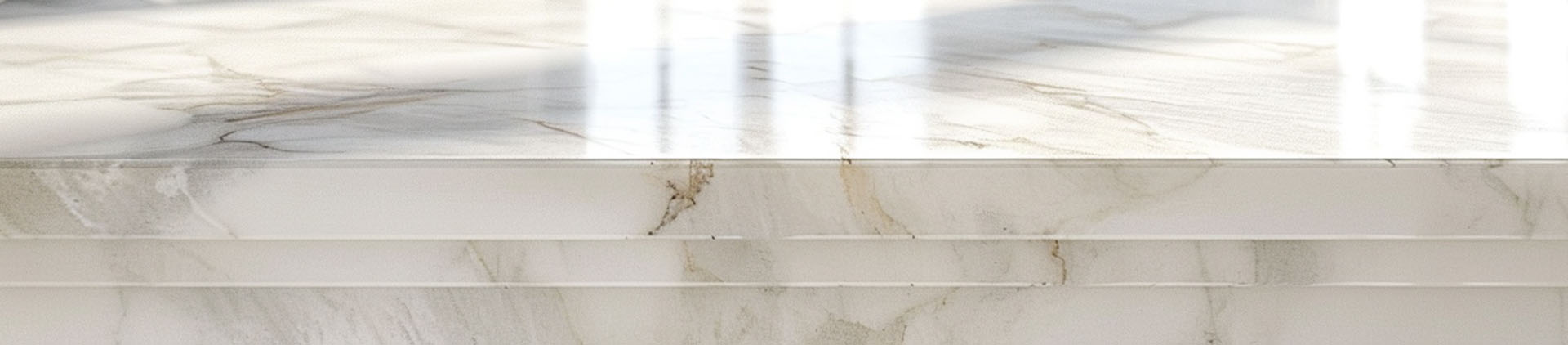


 Why Is the Middle East Becoming China's Fastest-Growing Stone Market in 2026?
 What Is Artificial Translucent Stone and Where to Buy It?
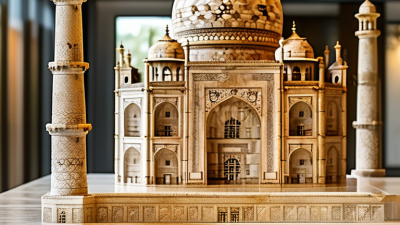 7 Tips for Choosing Taj Mahal Quartz Stone?
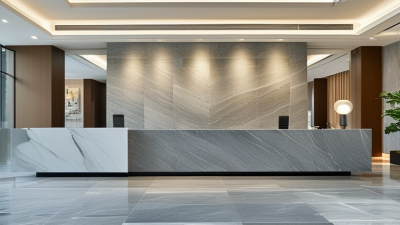 Why Choose Quartz Slab for Global Projects?