Lately, Sintered Stone Countertops have really started to become a go-to choice for folks remodeling their homes. I mean, if you ask around or check out industry reports—like one from the National Kitchen and Bath Association—they’ll tell you these surfaces are pretty much built to last. They’re super resistant to stains and scratches, which honestly makes them perfect for busy kitchens where messes happen all the time. Linda Collins, a well-known industry expert, puts it simply: “Sintered Stone Countertops blend beauty and practicality unlike any other material out there.” It’s pretty hard to argue with that, right?
More and more people are leaning toward Sintered Stone because there’s a wide range of designs and eco-friendly options to choose from. The market’s growing at about 10% a year, which shows just how much folks are moving toward sustainable materials these days. But, of course, not every product is the same. Not all Sintered Stone countertops pack the same quality punch, and some might not look quite as good or have the versatility you’re hoping for. That can be a real disappointment after you’ve already gone through with the installation. So, it pays to do your homework—research brands, styles, and what fits your needs best—to avoid any regrets.
Opting for Sintered Stone countertops can totally elevate your space if you think it through. The trick is finding that balance between looking stylish, being functional, and staying within your budget. While the perks are numerous, just make sure you’re making an informed choice—that’s what really counts when it comes to a successful upgrade.

Benefits of Sintered Stone Countertops in Home Renovation
Sintered stone countertops are becoming popular for home renovations. Their durability is one of the key benefits. They resist scratches, heat, and stains better than many other materials. This makes them ideal for busy kitchens. Homeowners can feel confident that their countertops will last.
Another advantage lies in their aesthetic appeal. Sintered stone comes in various styles and colors. You can easily find a design that matches your home decor. Whether you prefer a sleek modern look or a rustic finish, there are options. Each piece is unique, adding character to your space.
However, it’s important to consider installation. Proper installation can be tricky but is essential for performance. If done incorrectly, it could lead to breaks or gaps. Engaging a professional can mitigate these risks. Weigh the benefits and challenges carefully to make an informed choice for your renovation.
Durability and Longevity of Sintered Stone Surfaces
When considering countertops for your home renovation, durability is key. Sintered stone surfaces excel in this area. Composed of natural minerals, they undergo a high-temperature process that makes them extremely resilient. Research indicates that sintered stone can withstand heat exceeding 1,200°C without warping or cracking. This durability is ideal for kitchens where cooking is a daily activity.
Additionally, sintered stone is scratch-resistant. According to industry studies, it rates highly on the Mohs hardness scale, often comparable to quartz. This feature makes it less likely to show signs of wear over time. Many homeowners appreciate this aspect, as it maintains the aesthetic appeal of their kitchens. However, while it's resistant to stains and moisture, certain cleaning chemicals may still affect its surface. This highlights the importance of understanding the material's care requirements.
Longevity is another advantage of sintered stone. Manufacturers often warrant these surfaces for over 15 years. However, improper installation or maintenance can diminish this lifespan. While many homeowners relish the low upkeep, it's crucial to consider these factors when choosing sintered stone. Balancing beauty, functionality, and proper care ensures that your countertops remain an asset to your home.
Aesthetic Versatility: Design Options with Sintered Stone
Sintered stone countertops offer unmatched aesthetic versatility. With a range of colors and finishes, they can effortlessly complement any home design. Whether you prefer minimalist elegance or bold statement pieces, there's an option for everyone. Imagine a sleek black countertop paired with light wood cabinets. This combination creates a stunning visual contrast.
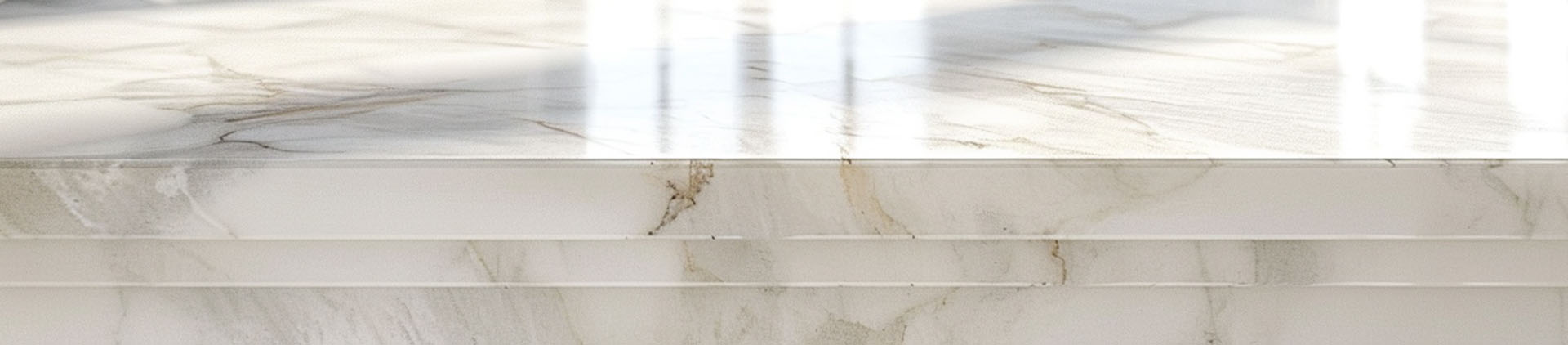
Textures and patterns also play a crucial role. From smooth, glossy surfaces to matte, textured finishes, the choices are abundant. You might even consider a marble-like finish that adds timeless sophistication. This can elevate a simple kitchen into a luxurious space. However, the abundance of options can be overwhelming. Choosing the right design requires thought and reflection.
It’s essential to understand how different designs interact with light. Some colors may appear darker or lighter depending on where they are placed. This subtlety can impact the overall feel of your home. A neutral tone can provide calmness, while vibrant hues can inject energy. Balancing these elements is key to achieving the desired atmosphere in your renovation project.
Sintered Stone vs. Traditional Countertop Materials: A Comparison
Sintered stone countertops have gained popularity in home renovations. They provide a strong alternative to traditional materials like granite or laminate. According to the National Kitchen and Bath Association, over 50% of homeowners are choosing non-porous surfaces for durability and cleanliness. Sintered stone offers remarkable resistance to scratches, stains, and heat, making it ideal for busy kitchens.
When comparing sintered stone with other materials, the differences are striking. Traditional granite requires sealing every few years, while sintered stone is virtually maintenance-free. A recent report from the Global Industry Analysts indicated that the market for sintered stone is expected to grow by 8% annually due to rising demand for low-maintenance surfaces. This trend reflects a shift towards durable, aesthetic materials in modern homes.
Tip: Consider the thickness of countertops. Thicker sintered stone can enhance durability and provide a more luxurious appearance.
Another aspect to consider is color consistency. Unlike natural stone, sintered stone offers uniform colors and patterns. This can eliminate surprises during installation. However, some might find the lack of natural variations in color less appealing.
Tip: Always request a sample before making a choice. This helps visualize how the material will look in your space.
Maintenance Ease: Cleaning and Care for Sintered Stone
Sintered stone countertops are gaining popularity for many reasons. One standout feature is their maintenance ease. These surfaces resist stains, scratches, and heat. You don't need complicated cleaning regimes. A simple wipe with a damp cloth is often enough. This simplicity makes them ideal for busy households.
When it comes to care, it’s essential to consider a few things. While sintered stone is durable, harsh chemicals can damage its surface. Stick to mild detergents for better results. Regular cleaning prevents grime buildup, keeping your countertops looking pristine. Yet, some users report minor scratches over time. You may need to buff them out occasionally, but this is minimal effort compared to other materials.
Be mindful of how you treat your countertops. It’s easy to take their durability for granted. Ensure you don't cut directly on the stone. Even though it is tough, cutting will dull your knives and may harm the surface over years. Careful treatment will keep your sintered stone looking new and vibrant. This attention to detail can make a noticeable difference in the long run.
Eco-Friendly Advantages of Sintered Stone Countertops
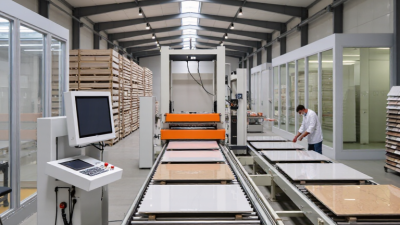
Sintered stone countertops are gaining popularity for their eco-friendly characteristics. Made from natural materials, such as clay and quartz, these surfaces minimize environmental impact. Their production process uses sophisticated technology, resulting in reduced waste. This means customers are making a greener choice when selecting countertops.
The durability of sintered stone also contributes to its eco-friendliness. Unlike other materials, it resists scratches, stains, and high temperatures. This longevity reduces the need for replacements, saving resources over time. Additionally, many options are available that reflect nature’s beauty, offering a perfect blend of aesthetics and sustainability.
However, some potential downsides exist. Sintered stone can be more expensive upfront compared to traditional materials. Homeowners should weigh this initial investment against long-term benefits. Moreover, while the surfaces are strong, installation requires skilled professionals to ensure proper placement and sealing. Taking these factors into account can help in making an informed, responsible choice for your renovation.
Cost Considerations: Value of Sintered Stone for Homeowners
Sintered stone countertops offer a blend of beauty and resilience. They are becoming a popular choice for homeowners. The initial investment in sintered stone may seem high, but it can lead to substantial long-term savings. Their durability minimizes repair costs over time.
Consider the potential for scratches and stains. Traditional surfaces may require frequent refinishing or replacement. Sintered stone, on the other hand, is resistant to heat, stains, and scratches. This means less upkeep is required. Homeowners can enjoy peace of mind knowing their investment is protected.
Moreover, the aesthetic appeal of sintered stone is undeniable. It mimics natural stone, providing a high-end look. This can elevate the overall value of your home. However, some may hesitate due to the upfront costs. It's important to weigh immediate expenses against future savings. Thoughtful consideration of these factors can guide your renovation choices effectively.
Why Choose Sintered Stone Countertops for Your Home Renovation? - Cost Considerations: Value of Sintered Stone for Homeowners
| Feature |
Sintered Stone |
Other Countertop Materials |
| Cost per Square Foot |
$50 - $120 |
$30 - $150 |
| Lifespan |
25+ years |
10 - 20 years |
| Maintenance |
Low - Just wipe clean |
Varies - Requires sealants or special cleaners |
| Heat Resistance |
Excellent |
Good to Moderate |
| Scratch Resistance |
High |
Varies - Usually lower |
| Environmental Impact |
Low - Made from natural materials |
Varies - Depends on material sourcing |
FAQS
: Sintered stone countertops come in various colors and finishes, fitting different home styles.
Textures vary from smooth to matte finishes, offering abundant choices that affect aesthetics.
Yes, a marble-like finish can add sophistication, transforming a simple kitchen into a luxurious area.
It's important to see how colors interact with light, as this can change their appearance in your space.
Yes, they are made from natural materials and produced with reduced waste, making them an environmentally friendly choice.
Sintered stone is scratch, stain, and heat resistant, increasing its longevity and reducing the need for replacements.
It can be more expensive upfront than traditional materials, requiring you to consider long-term value.
Installation requires skilled professionals for proper placement, which is crucial for performance and durability.
While durable, the higher initial cost and need for expert installation can be drawbacks for some homeowners.
Balancing colors and textures is essential for creating the desired atmosphere and feel in your living space.
Conclusion
Sintered Stone Countertops are an excellent choice for homeowners considering a renovation due to their numerous benefits. These surfaces offer exceptional durability and longevity, making them ideal for high-traffic areas. Their aesthetic versatility allows for a wide range of design options, enabling homeowners to match their unique style preferences. When compared to traditional countertop materials, sintered stone stands out for its superior resistance to scratches, heat, and stains, ensuring that your investment remains intact over time.
In addition to their practical advantages, Sintered Stone Countertops require minimal maintenance, making cleaning and care straightforward. They are also eco-friendly, often composed of natural materials and manufactured with sustainable practices. While cost considerations are always important, the long-term value of sintered stone makes it a smart choice for any home renovation project. Overall, choosing sintered stone countertops can enhance both the functionality and beauty of your space.



 7 Best Artificial Quartz Slab Suppliers Worldwide?
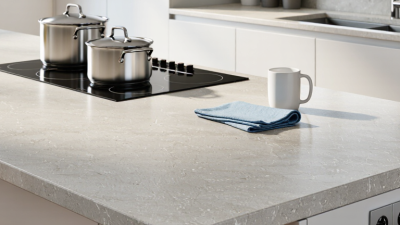 Why Choose Sintered Stone Countertops?
 Why Choose an Artificial Stone Factory for Global Buyers?