The artificial quartz slab industry has been changing really quickly, especially over in China. Looking ahead to 2026, there are definitely some cool trends and new innovations that are going to shape where things are headed. Jane Smith from Quartz Innovations Inc. put it pretty well when she said, ‘Innovation is at the heart of what we do.’ That kind of sums up how these slabs are going to keep evolving.
A lot of these shifts are being powered by new tech. Manufacturers are working hard to improve both the look and durability of their quartz slabs. And the way they’re designing these things has become way smarter—streamlining production and making it more efficient. But, of course, it’s not all smooth sailing. There are some real concerns around environmental stuff, like where they’re sourcing their materials and how they’re handling waste. Industry leaders are gonna need to tackle these issues if they want to stay sustainable.
Honestly, the future of artificial quartz slabs feels pretty promising. Companies need to focus on keeping quality high and being reliable—because there’s a fine line between pushing the envelope with new ideas and just dropping the ball on standards. As we gear up for 2026, paying close attention to these trends will be key for everyone involved. Every decision today will shape where the industry heads tomorrow.

As we approach 2026, artificial quartz slab designs are evolving significantly for kitchens and bathrooms. Recent reports indicate that the market for engineered stone surfaces is expected to grow at a CAGR of 8% by 2026. Homeowners lean towards eco-friendly materials, emphasizing sustainability in their choices. This shift reflects a growing consciousness about environmental impact and material sourcing.
Textured finishes and vibrant colors will dominate kitchen trends. Expect to see slabs with deep veining and dramatic patterns that mimic natural stones. These designs offer unique aesthetics while remaining functional. On the other hand, minimalist styles with smooth, uniform surfaces will appeal to those prioritizing simplicity in bathroom spaces. Lightweight options are trending, making installation easier and more efficient.
Tips: Consider incorporating contrasting colors in your designs. This can create a striking focal point in both kitchens and bathrooms. Don’t overlook maintenance; some finishes may require more care than others. Always check compatibility with your existing decor to ensure a cohesive look. The future of artificial quartz offers both elegance and practicality, but choices should reflect personal style and lifestyle needs.
The quartz slab industry is poised for exciting developments in 2026, particularly regarding color palettes and textures. Emerging trends indicate a shift towards richer, bolder colors. Shades like deep emerald greens and vibrant ruby reds are gaining popularity. According to recent reports, 72% of architects are interested in using these bold colors to create striking designs for both residential and commercial spaces.
Texture is also evolving. The demand for matte finishes and textured surfaces is rising. These designs not only add visual interest but also practical benefits, such as improved grip and durability. Data from industry analysts predict that the textured quartz market will grow by 50% by 2026, reflecting consumer preferences for unique aesthetics.
Tips: Consider incorporating unexpected color combinations. This can create stunning visual statements. Always think about the texture you choose. It can transform a simple space into an innovative one. Balancing color and texture is crucial. However, overly bold choices might overwhelm smaller spaces.
Exploring these innovations can enhance both functionality and beauty in design. Adapting to new preferences may bring challenges, but these developments open doors to creative possibilities.

As the quartz manufacturing industry evolves, sustainability practices are gaining traction. According to a 2022 report by the Natural Stone Institute, around 70% of manufacturers are investing in eco-friendly processes. These innovations focus on reducing waste and energy consumption in production. The trend is clear: companies are adapting to consumer demand for greener options.
Recycling materials is central to these efforts. Many manufacturers are now using recycled quartz from fabrication scraps. This practice reduces the need for new raw materials. Additionally, advances in technology allow for more efficient cutting and polishing, minimizing excess waste. However, some challenges remain. The initial costs of eco-friendly materials can deter smaller producers from adopting these practices.
Moreover, a study by the World Economic Forum projected that if the industry fails to prioritize sustainable practices, it could face stricter regulations by 2030. This potential shift emphasizes the importance of innovation. As competition rises, only those committed to sustainability may thrive in the long run. The industry stands at a crossroads, balancing innovation with responsibility.
The Asia-Pacific region is experiencing dynamic growth in the artificial quartz slab market. By 2026, the demand for these products is projected to rise significantly. This surge is driven by the increasing popularity of engineered stone for residential and commercial projects. Architects and designers favor artificial quartz slabs for their durability and vast range of styles.
Tips: Always research local trends. Understand your target audience's preferences. This knowledge is key to success in this market.
Emerging trends include eco-friendly materials and innovative design applications. Many manufacturers are focusing on sustainable production methods. This can appeal to environmentally conscious consumers. The integration of advanced technologies is changing how these slabs are produced and showcased. However, ensuring quality control remains a challenge in this rapidly growing industry.
Tips: Stay updated on technological advancements. Networking with industry experts can provide insights. Knowledge exchange leads to better products.
As the market evolves, competition will heighten. Companies must adapt quickly to changing consumer demands. It is crucial to balance innovation with reliability in product offerings. This balance can build long-term consumer trust in a crowded marketplace.
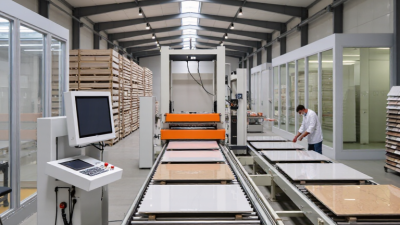
The world of artificial quartz slab production is evolving rapidly. Technological advancements are at the forefront of this change, boosting efficiency significantly. In 2026, many manufacturers will adopt automated systems. These systems streamline processes, minimize waste, and enhance precision. With the integration of AI, quality control becomes more robust. Sensors can detect imperfections almost instantly, reducing defects in slabs.
Eco-friendly practices are becoming essential. Many companies are exploring sustainable materials. They use recycled components to create quartz slabs. This is not only better for the environment but also appeals to eco-conscious consumers. However, transitioning to greener processes can be challenging. There are often higher initial costs and a need for specialized machinery.
Innovation in design is also noteworthy. New technologies enable intricate patterns and textures in slabs. Customization is easier than ever, allowing for unique designs. However, this push for creativity sometimes strains production timelines. Balancing efficiency and creativity remains a key challenge for manufacturers. As trends progress, the industry must find ways to meet both demands effectively.
| Dimension | Value |
|---|---|
| Annual Production Capacity (Million Sq Ft) | 25 |
| Average Thickness (mm) | 15 |
| Common Colors Available | White, Black, Grey, Beige |
| Sustainability Practices (%) | 70 |
| Average Life Span (Years) | 25 |
| Key Innovations in 2026 | Enhanced Durability, Eco-friendly Resins |
| Market Growth Rate (%) | 10 |

In 2026, consumer preferences are shaping quartz slab material selection significantly. Homeowners and designers prioritize sustainability and durability. A recent industry report indicates that 68% of consumers favor eco-friendly materials. This shift suggests that manufacturers must adapt their processes to meet this expectation.
Moreover, color and design trends are evolving. Light colors are gaining popularity, with 55% of consumers opting for whites and soft pastels. Textures that mimic natural stone are also in demand. Interestingly, 40% of homeowners want unique patterns that reflect individual style. However, the availability of such designs may not keep pace with demand.
On the technology front, advancements in manufacturing processes aim to enhance quality and reduce waste. Yet, some companies still struggle with quality control. Ensuring a consistent product that meets consumer expectations is crucial. Reports show that 30% of consumers express dissatisfaction with variability in finishes. Designers are increasingly looking for reliable suppliers who can address these challenges while emphasizing aesthetic appeal.
The market for artificial quartz slabs is poised for significant evolution by 2026. Current pricing trends indicate a moderate increase, reflecting rising production costs and demand for sustainable materials. A recent industry report highlights that the average price of these slabs may rise by 5-10% annually over the next few years. This increment can be attributed to the sophisticated manufacturing techniques being adopted, which often come with higher operational expenses.
Additionally, innovations in color technology and surface finishes are likely to impact pricing strategies. Consumers are increasingly favoring unique aesthetics, driving producers to invest in advanced processing methods. A survey from industry analysts shows that up to 70% of buyers prioritize design over cost. However, the balance between affordability and quality remains a challenge. Many manufacturers struggle to meet consumer expectations without inflating prices excessively. They need to reflect on how to enhance product quality while remaining competitive.
As the demand for eco-friendly materials grows, costs are also expected to fluctuate. Sustainable sourcing may lead to premium pricing, but it also appeals to environmentally conscious consumers. The nuances in pricing trends will require continuous monitoring and adaptability from industry stakeholders. While all these factors shape the market, unexpected shifts, such as global supply chain events, could alter the landscape dramatically.
: Expect bolder colors, like deep emerald greens and ruby reds. These colors appeal to architects for striking designs.
There’s a rising demand for matte finishes and textured surfaces. These enhance aesthetics and provide better grip.
Analysts predict a 50% growth in textured quartz by 2026, reflecting consumer preferences for unique aesthetics.
Unexpected color combinations can make a bold statement. However, beware of overwhelming smaller spaces.
Automation and AI enhance efficiency, minimize waste, and improve quality control, detecting defects instantly.
Companies are using recycled materials. However, transitioning to these methods can be costly and complex.
Balancing efficiency and creativity is tough. New technologies may strain production timelines while meeting design demands.
While customization allows for unique designs, it may lead to delays and require careful management.
Textured surfaces not only look appealing but also provide improved grip and durability for daily use.
Adapting to bold colors and textures may bring challenges. It requires careful consideration of space limitations and design balance.
The article explores the anticipated trends and innovations in Artificial Quartz Slabs by 2026, focusing on various aspects critical to the industry. Key design trends for kitchens and bathrooms are set to evolve, showcasing emerging color palettes and textures that cater to contemporary tastes. Sustainability practices are becoming increasingly important, with eco-friendly innovations in quartz manufacturing significantly influencing production methods.
Moreover, the market for Artificial Quartz Slabs in the Asia-Pacific region is projected to experience substantial growth, driven by technological advancements that enhance production efficiency. As consumer preferences shift, the selection of quartz materials will be impacted, while a comparative analysis of pricing trends will help stakeholders navigate the evolving landscape. Overall, the future of Artificial Quartz Slabs looks promising, with an emphasis on sustainability and innovation shaping its trajectory.


Wire Saw Boosts Stone Yield 97%, Cuts Emissions 80%
How Did Nan'an Become the World’s Stone Capital? Inside China’s $150 Billion Stone Hub
10 Essential Tips for Choosing Calacatta Quartz Slabs
How to Source High Quality Artificial Onyx for Your Business?