
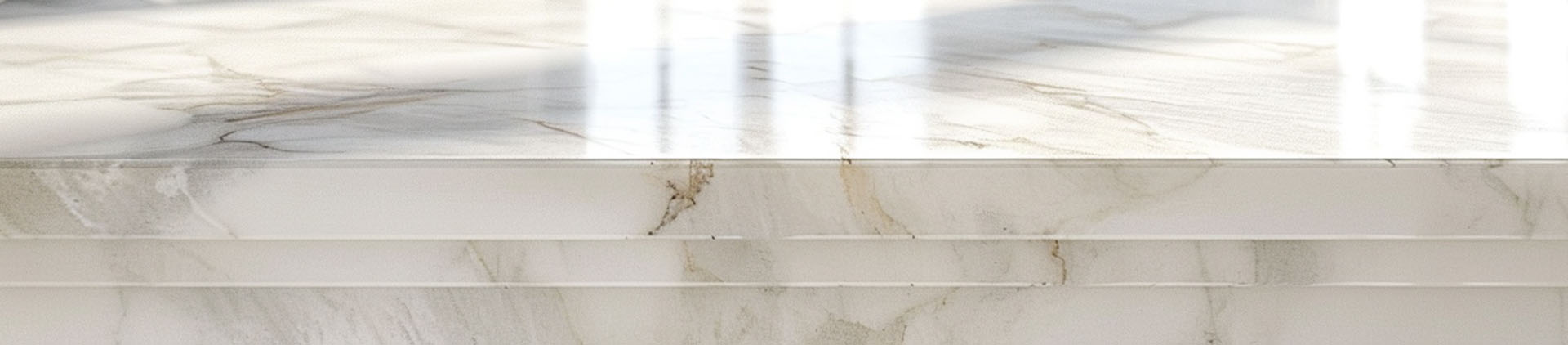
How to Choose the Best Engineered Quartz Countertop for Your Kitchen?
Picking out the right engineered quartz countertop for your kitchen isn't exactly a walk in the park. It's one of those decisions that really affects how your space looks and how well it works. These countertops have become super popular, mainly because they’re tough as nails and come in all kinds of styles. Honestly, they can really add a beautiful touch and keep up with everyday life at the same time.
When you're choosing quartz, think about how you use your kitchen. Some colors and patterns can hide stains pretty easily, while others might show them off more. It’s a good idea to think about your cooking habits and what your family needs — if your kitchen gets a lot of use, you’ll want something sturdy that can handle the daily grind. Plus, the right surface can totally upgrade your kitchen’s look.
Don’t forget to check out different brands too — companies like MSI and Cambria have a pretty wide range of styles and textures. Do a little homework: read reviews, ask around, maybe even chat with a pro. Skimping on quality isn’t worth it — taking your time here will pay off in the long run. When you choose the right engineered quartz, it can seriously transform your kitchen into a space that really shows off your style and still keeps up with the chaos of daily life.

Understanding Engineered Quartz: Composition and Benefits

Engineered quartz countertops are gaining popularity in modern kitchens. Understanding their composition and benefits can help you choose wisely. Engineered quartz is made from about 90% crushed natural quartz crystals and resins. This combination offers incredible durability and a non-porous surface. It resists scratches, stains, and bacteria, making it a practical choice for busy kitchens.
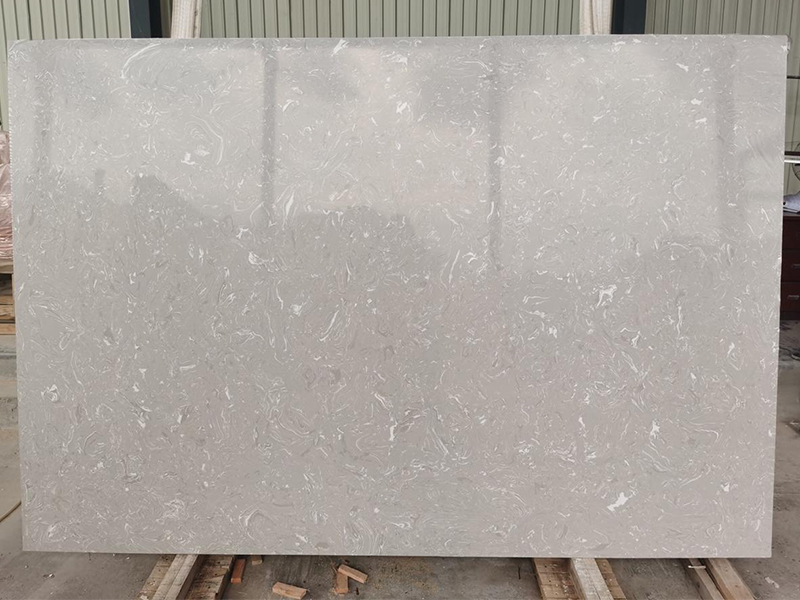
When selecting engineered quartz, consider the color and pattern. Many options mimic natural stones, providing aesthetic appeal. However, some patterns may show fingerprints or smudges more prominently. It’s wise to think about your kitchen's lighting and overall style. Dark colors can add drama, while lighter shades make spaces feel airy.
Tips for maintenance include using mild soap and water for cleaning. Avoid harsh chemicals that can wear the surface down. Regular cleaning ensures longevity; however, overcleaning with abrasive materials can cause micro-scratches. Reflect on your daily kitchen use to choose the right finish. Glossy surfaces look stunning but may require more upkeep than matte finishes.

FAQS
: Quartz countertops are highly durable, less prone to chipping than granite or marble. They withstand daily use well.
Quartz can be sensitive to high heat. Temperatures above 150°C can damage the resin, causing discoloration.
Quartz has a hardness rating of 7 on the Mohs scale, comparable to granite. They are suitable for heavy usage.
Consider your kitchen's overall aesthetic. Lighter colors can open the space, while darker shades offer warmth and sophistication.
Textures include polished and honed finishes. Polished reflects light, while honed offers a matte, natural stone look.
Reputation and quality assurance are crucial. Check customer reviews and industry certifications to evaluate their reliability.
Understanding sourcing can reveal inconsistencies in their claims. This knowledge helps ensure you receive quality products.
Warranties indicate a supplier's confidence in their products. They can provide peace of mind and protection for your investment.
Bold patterns may dominate your space and overwhelm lighter decor. It's essential to consider long-term aesthetic impacts.
Rushing may lead to regret. Your countertop is central to your kitchen, so it’s important to make an informed decision.
Conclusion
When selecting the best Engineered Quartz Countertop for your kitchen, it is essential to understand its composition and benefits, as this material combines natural stone with resin, resulting in a durable and aesthetically pleasing surface. Durability is a significant factor, as quartz countertops are more resistant to scratches and stains compared to other materials. Design preferences can greatly influence your choice, where color, texture, and pattern play a crucial role in complementing your kitchen aesthetics.
Maintenance is another crucial consideration, as engineered quartz is relatively easy to clean and requires minimal long-term care. Budgeting is vital, as costs can vary, so an analysis of your renovation's finances will help in making informed decisions. Additionally, exploring sustainable options in quartz manufacturing can align your choice with eco-friendly values. Finally, selecting a reputable supplier ensures quality assurance and reliability in your investment. By keeping these factors in mind, you can confidently choose the perfect Engineered Quartz Countertop for your kitchen.
Related Posts
-

Top 5 Zero Silica Quartz Stone Slabs Buyers Guide?
-

Top Benefits of Pure White Quartz for Home Design and Decoration?
-

Nano Stone Slab Tips for Global Buyers at Canton Fair 139?
-

Best Calacatta Quartz Countertops for Your Home Design Ideas?
-

What is Sintered Stone Countertops and How Do They Work?
-

2026 How to Use Artificial Translucent Stone in Interior Design?

Olivia
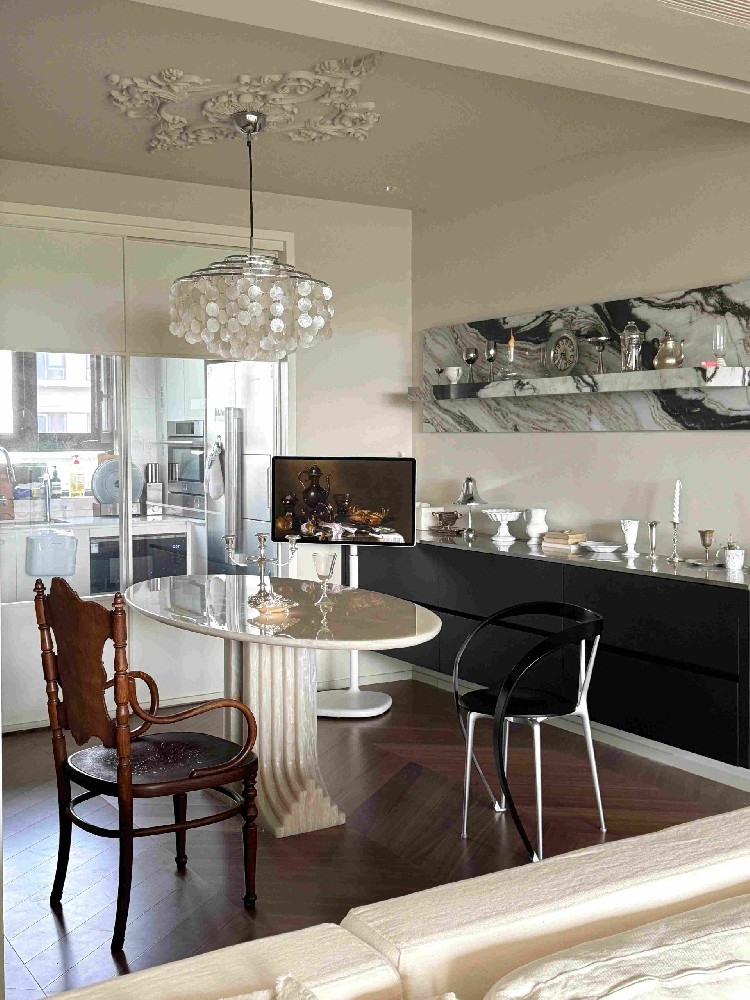 What Did the 24th Shuitou Stone Expo Signal for 2026 Global Stone Sourcing?
 2026 How to Choose Sintered Stone for Global Projects?
 Top Sintered Stone Countertop Manufacturers Worldwide
 China's Five Stone Export Markets in 2026: Korea, ASEAN, the Middle East, the EU, and the US — Ranked