Lately, there's been a real uptick worldwide in the push for more sustainable building solutions. Among all the different materials out there, slate is definitely standing out as a pretty popular choice. It’s a natural stone that not only looks good but also offers a bunch of practical benefits. Companies like Blue Slate Co. and Green Stone Solutions are really endorsing its use when it comes to eco-friendly construction projects.
One of the biggest perks of slate is that it’s super durable and doesn’t need a lot of upkeep. Plus, it naturally resists weather damage, making it perfect for roofing and building facades. Beyond that, slate is also a great insulator, which helps make buildings more energy-efficient. But here’s the tricky part — sourcing slate responsibly isn’t always easy. Some quarrying methods are not very sustainable, and that raises concerns about environmental impact.
When choosing slate, it’s really important to pick the right type. In China, there’s a pretty wide range of colors and styles, each with its own strengths and weaknesses. It’s something project planners need to think about carefully. While slate is definitely an excellent option, it’s not the only one out there. So, making smart, informed choices is key! This guide will walk you through the best types of slate for building sustainably in China.

China's slate industry presents a compelling case for sustainable building solutions. The country is rich in natural slate resources, which are becoming increasingly popular due to their eco-friendly properties. Slate is durable, requiring minimal maintenance and renovation. This longevity contributes to sustainability in construction.
Innovative practices in Chinese slate extraction aim to minimize environmental impact. Many companies now focus on reducing waste during quarrying and production. Recycling waste materials into new products is becoming more common. These efforts showcase a commitment to sustainability without sacrificing quality.
Tips: Choose slate with a verified sustainability certification. This ensures that your building materials contribute positively to the environment. Consider design options that highlight the natural beauty of slate. Using locally sourced slate can further reduce carbon footprints.
While these advancements are promising, the slate industry must address challenges. Over-extraction remains a concern, potentially depleting this valuable resource. Continuous improvement in sustainable practices is essential for long-term viability. Consumers and builders should remain informed and critical, seeking out companies that prioritize environmental responsibility.
Chinese slate types are gaining traction in sustainable building. Their unique characteristics make them suitable for a variety of construction needs. One prominent feature is their natural durability. Reports indicate that certain Chinese slates can last over 75 years with minimal maintenance. This longevity reduces the need for replacements, promoting sustainability.
The aesthetic appeal of these slates also enhances building designs. Chinese slate comes in diverse colors and textures, which can complement various architectural styles. According to industry studies, buildings using natural stone materials like slate show higher energy efficiency. This is partly due to the slate's thermal mass properties, which help regulate indoor temperatures.
However, the sourcing of slate raises questions. Not every region employs eco-friendly extraction methods. Some practices can lead to environmental degradation. This reality prompts the industry to seek balance. Ongoing innovations in mining processes can improve sustainability. Emphasizing responsible sourcing can ensure that slate remains a viable option for sustainable construction in the long run.
Slate is becoming a popular choice in sustainable building design. Its natural origins offer numerous environmental benefits. Formed from sedimentary rock, slate is abundant and requires minimal processing. This reduces the carbon footprint associated with building materials. Additionally, slate is durable and long-lasting, which means less frequent replacements.
Using slate also contributes to energy efficiency. Its thermal mass helps regulate indoor temperatures. This can lead to reduced heating and cooling costs over time. The dark surface of slate can absorb sunlight, providing passive solar heating in colder climates. However, the installation process can be labor-intensive. Builders must ensure proper techniques to avoid waste and ensure longevity.
It's essential to consider the sourcing of slate. While it can be a sustainable option, some quarries may not follow eco-friendly practices. Ensuring that slate is sourced responsibly will enhance its benefits. By prioritizing sustainability in building materials, we can reduce environmental impact. Choosing the right slate involves careful reflection and a commitment to responsible practices.
This chart illustrates the environmental benefits of different slate types used in building design. The data represent the average ratings on a scale from 1 to 10, where 10 indicates the highest level of sustainability and environmental impact reduction.
Chinese slate has increasingly become popular in sustainable building projects. Various case studies highlight its durability and eco-friendliness. According to the International Council for Research and Innovation in Building and Construction, using natural materials like slate can reduce carbon emissions in construction by up to 40%. This data emphasizes slate's role as a sustainable alternative to synthetic materials.
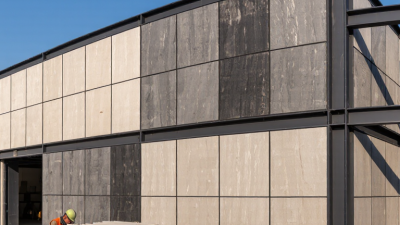
One notable example is a green building in Beijing. It utilizes slate for its façade, enhancing thermal insulation. This design not only lowers energy consumption but also contributes to a striking aesthetic appeal. The building achieved LEED Platinum certification, a benchmark for environmental performance in buildings. Such examples show the effective use of slate that balances nature and architecture.
Despite these successes, there are challenges. Not all slate is locally sourced, which can lead to higher carbon footprints due to transportation. Additionally, local regulations may limit slate use in certain regions. Understanding these issues is crucial for future sustainable projects. It's essential to weigh the benefits against potential setbacks.

When considering building materials, slate offers unique advantages over conventional options. Its natural properties make it an excellent choice for sustainability. Slate is durable, requiring less frequent replacements. According to a report by the Natural Stone Institute, slate's lifespan can exceed 100 years, reducing long-term waste.
In comparison, materials like concrete and wood have significant environmental impacts. The production of concrete contributes to about 8% of global CO2 emissions. Additionally, deforestation linked to sourcing wood affects biodiversity. Slate, being a natural rock, minimizes environmental disruption.
While slate is eco-friendly, its extraction process may raise concerns. Quarrying can disturb local ecosystems if not managed carefully. Proper regulations are crucial to mitigate these impacts. The challenge lies in balancing the sustainability of slate with responsible extraction practices. Understanding these nuances is essential before making material choices in construction.
Sourcing sustainable slate in China presents its own set of challenges. The demand for eco-friendly building materials has surged. However, the availability of high-quality slate can be inconsistent. Mines often face environmental scrutiny, affecting procurement. Transport logistics also complicate sourcing. Finding reliable suppliers is crucial but can be time-consuming.
In addition to supplier reliability, it is essential to consider the geographical variations. Different regions produce different slate types. Some may boast excellent durability but poor aesthetics. Evaluating the environmental impact of quarrying practices is vital. Not every slate mine follows sustainable practices, which adds another layer of complexity.
Tips: Research regional slate characteristics before making decisions. Engage with local experts to understand sourcing dynamics. Building relationships with suppliers ensures a steady flow of materials. Focus on transparency in sourcing to foster trust.

The integration of slate in eco-friendly architecture is gaining momentum. As a natural stone, slate boasts low environmental impact throughout its life cycle. The International Journal of Architectural Engineering noted that slate production typically generates 30% less carbon emissions compared to synthetic materials. This positions slate as an attractive option for sustainable building projects.
Future trends emphasize the need for materials that blend beauty with sustainability. A report by the Global Slate Association projects that demand for slate in green architecture will rise by 25% in the next five years. Architects appreciate slate for its durability and thermal properties. It enhances energy efficiency, reducing reliance on artificial heating and cooling.
However, challenges remain. Mining practices can affect local ecosystems, and sourcing ethical slate is crucial. Some companies still struggle to meet rigorous sustainability standards. The industry must address these issues to fully capitalize on slate's potential. Ongoing discussions among stakeholders will shape the future of slate in sustainable construction. Engaging in transparent practices will bolster the integrity of this timeless material.
: Chinese slate is known for its durability and aesthetic appeal. It can last over 75 years with minimal maintenance.
Slate's thermal mass properties help regulate indoor temperatures, leading to higher energy efficiency in buildings.
Yes, not all regions use eco-friendly extraction methods. Some practices can lead to environmental degradation.
Yes, studies show using natural materials like slate can cut carbon emissions by up to 40% compared to synthetic alternatives.
There’s inconsistent availability of high-quality slate and potential environmental scrutiny of mining practices.
Very important. Finding reliable suppliers can be time-consuming but is essential for a steady flow of materials.
No, some slate types may have excellent durability but lack aesthetic appeal. Evaluating both is crucial.
Research regional slate characteristics and engage local experts to understand sourcing dynamics.
Focus on transparency in sourcing and build relationships with suppliers to foster trust in the procurement process.
Yes, buildings using slate can achieve certifications like LEED Platinum for environmental performance.
This article explores the various aspects of China's slate industry, emphasizing its role in sustainable building solutions. It begins with an overview of the industry's practices aimed at sustainability, highlighting the unique characteristics of different Chinese slate types used in construction. The environmental benefits of slate, such as its durability and minimal carbon footprint, position it as a superior choice compared to other building materials.
Moreover, the article showcases successful case studies of sustainable buildings that incorporate Chinese slate, providing inspiration for eco-friendly architecture. It addresses the challenges in sourcing sustainable slate within China and offers potential solutions for overcoming these obstacles. Finally, the article anticipates future trends in slate usage, suggesting it will play a pivotal role in the evolution of sustainable design in the building sector.


Top 10 Benefits of Choosing Natural Stone Floor for Your Home?
2026 Top Trends in Marble Stone Flooring for Luxury Home Design?
China Best Basalt Types for Construction and Landscaping Applications
China Best Slate Types for Sustainable Building Solutions