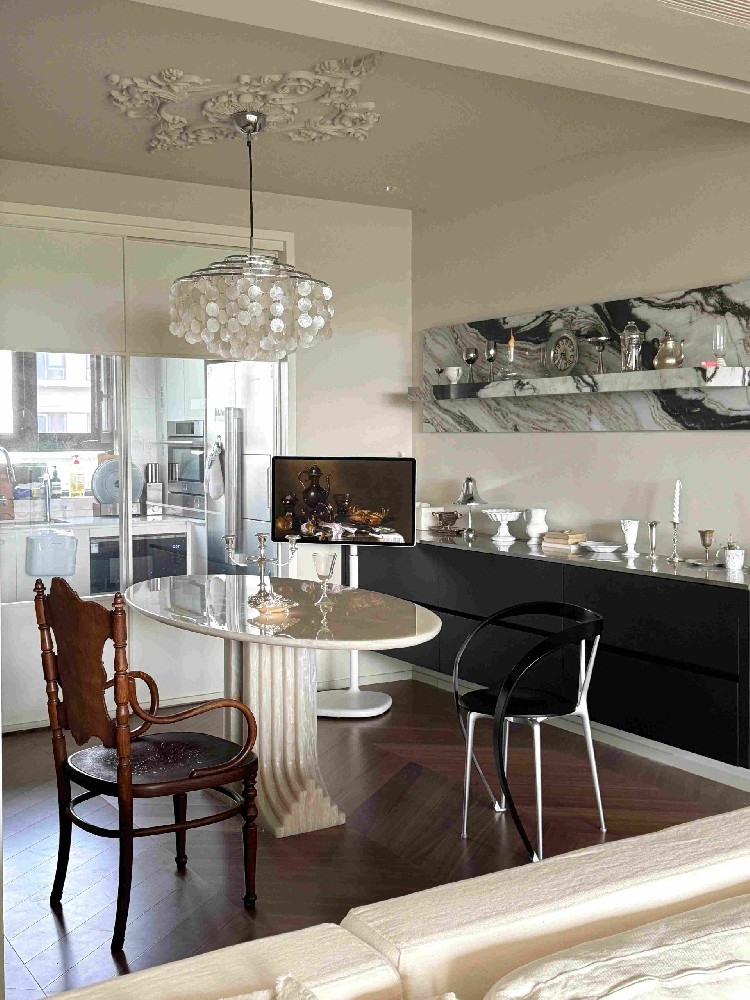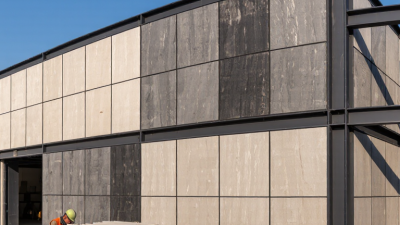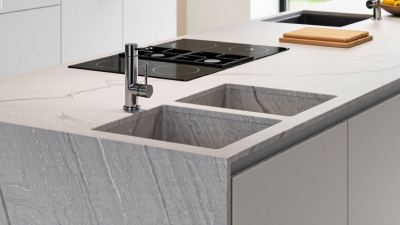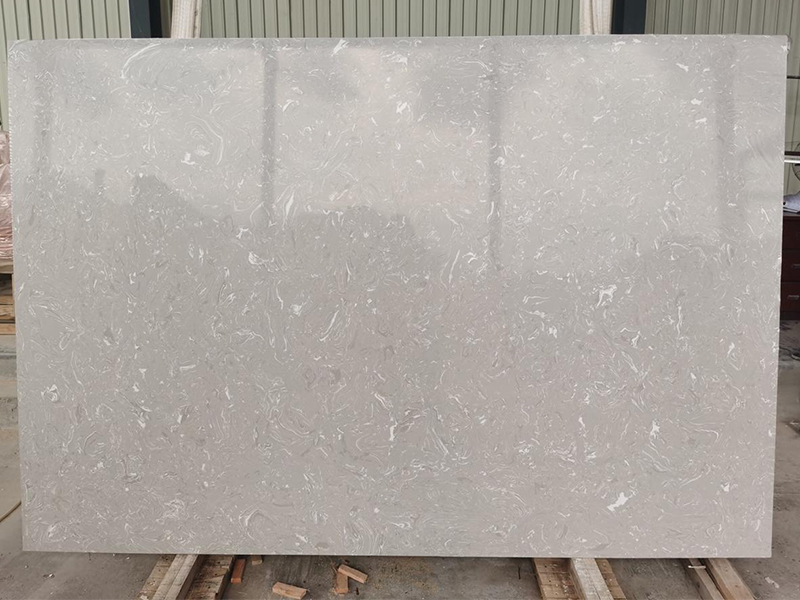
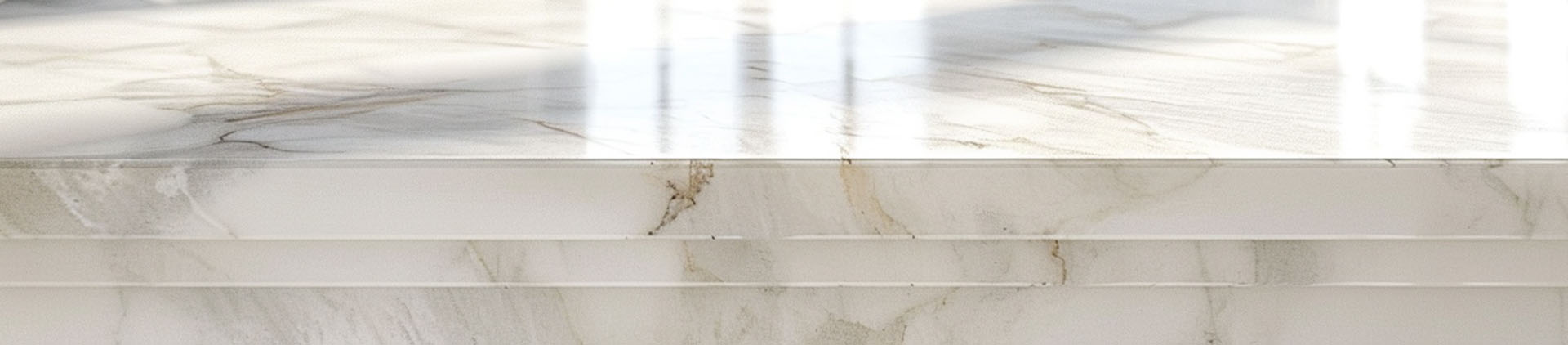
You know, these days, natural stone countertops are really a popular pick for modern homes. There’s just something about their beauty and durability that catches a lot of homeowners’ eyes. Honestly, investing in them can really bring a lot of perks — not just making your space look better, but also more functional.
There are different kinds of natural stone countertops out there, like granite, marble, and quartzite. Each one has its own character. For example, granite is great because it resists heat pretty well, which is a big plus if you’re cooking on it all the time. Marble, on the other hand, just has that super luxurious vibe — it can give your kitchen or bathroom a really classic feel. But heads up — marble does need a bit more care to keep it looking nice.
One thing folks really love about natural stone is that no two slabs are exactly the same. It’s like each one has its own little story to tell! That uniqueness really adds character to any kitchen or bathroom and can seriously boost your home’s overall style. Sure, maintaining natural stone does involve some upkeep, like sealing it now and then, but honestly, the long-term benefits make it totally worth it. Knowing these little details helps you make smarter choices when upgrading your space.

Natural stone countertops offer unparalleled durability. They can withstand heat, scratches, and even heavy impacts. Unlike other materials, they do not easily show wear and tear. This makes them an excellent choice for busy kitchens or high-traffic areas. Over time, they maintain their beauty and function, standing the test of daily use.
Tips for maintaining your stone countertops include sealing your surfaces regularly. This prevents stains and enhances longevity. Always use cutting boards to avoid dulling the surface. While natural stone is tough, it is wise to be mindful of using heavy objects to prevent chips. Remember, even the strongest materials can have flaws, so treat them with care.
Choosing natural stone also means embracing its unique imperfections. Each slab tells a story through its varied colors and patterns. This enhances your space with character and authenticity. However, these variations can lead to unexpected challenges when matching pieces. Understanding these factors can help you appreciate your countertops even more.
Natural stone countertops have gained popularity for their aesthetic appeal. They add a unique charm to kitchens and bathrooms. Reports show that 70% of homebuyers value natural stone when looking for a property. This preference enhances the overall design of a home.
The visual variety of natural stone options is vast. From the classic beauty of marble to the rugged appeal of granite, each stone is unique. Textures and colors differ significantly, adding character. Recent trends highlight that homeowners prioritize personalized designs. An estimated 45% seek distinctive materials that stand out.
However, not all installations may be flawless. Challenges can arise in maintenance and sealing. Issues like staining can test a homeowner's commitment. Realistically, these factors require ongoing consideration. But when chosen wisely, natural stone can greatly enhance a home’s aesthetic value. It contributes to a timeless appeal that resonates with both residents and visitors alike.
Natural stone countertops, such as granite, marble, and quartzite, offer diverse features that can enhance any kitchen or bathroom. Granite is highly durable and resistant to heat and scratches. It comes in various colors and patterns, making it a popular choice among homeowners. A report from the National Kitchen and Bath Association shows that over 40% of homeowners prefer granite for its aesthetic appeal and low maintenance.
Marble, on the other hand, is admired for its elegance and unique veining. However, it's more porous compared to granite, which can lead to staining if not sealed properly. According to a study published by the Journal of Architectural Materials, marble requires more maintenance than other stones. Homeowners should carefully consider usage habits before selecting marble.
Quartzite provides a balance between beauty and durability. It mimics the appearance of marble but is more resistant to scratches. When selecting a natural stone, consider your lifestyle and the maintenance each type demands.
Tips: For high-traffic areas, choose granite or quartzite. If you prefer aesthetics, marble may be ideal, but be prepared for added upkeep. Regular sealing can protect your investment.
Natural stone countertops are a beautiful addition to any home. However, they require proper care to maintain their allure. To keep your countertops looking stunning, start with regular cleaning. Use a mild soap and warm water. Avoid harsh chemicals that can damage the stone. A soft cloth is ideal for drying, as it prevents water spots and streaks.
Sealing is another critical aspect of maintenance. Natural stone is porous and can absorb stains. A good quality sealant will protect the surface. Reapply sealant every six months to a year, depending on usage. Pay attention to high-traffic areas; they may need sealing more often.
Wiping up spills promptly can save you from long-term damage. Acidic substances like lemon juice or vinegar can harm the finish, so approach with care. Keeping a cutting board handy will help avoid scratches. These small steps can lead to stunning, long-lasting countertops. Remember, even the best care may not prevent all issues. Regular observation and timely action are essential for maintaining your stone countertops.

Natural stone countertops are a unique choice for homeowners looking to enhance their kitchens or bathrooms. One of the key benefits lies in their sustainability. Natural stone is extracted from the earth without extensive processing. This results in a lower environmental impact compared to synthetic materials. The production of these countertops often requires less energy and fewer resources, making them an eco-friendly option.
Moreover, natural stone is durable and long-lasting. When properly maintained, these surfaces can endure for decades, potentially reducing the need for replacements. This longevity means fewer materials are needed over time. The natural beauty of stone also enhances a home's aesthetics, making it appealing to future buyers. However, sourcing stone can sometimes lead to environmental concerns about quarrying practices. It’s essential to educate oneself on sustainable sourcing to ensure responsible choices.
While natural stone offers many benefits, challenges remain. Some stones are porous and may require sealants to protect against stains. This introduces additional maintenance considerations for homeowners. Understanding these aspects can guide your decision-making. Balancing beauty, functionality, and environmental responsibility is crucial when investing in natural stone countertops.
Natural stone countertops have become a popular choice for many homeowners. One of the standout advantages is their cost-effectiveness over time. Initially, the purchase price can be higher than alternatives like laminate. However, natural stone is incredibly durable. It can withstand heat, scratches, and stains, which means fewer replacements are needed.
The lifespan of natural stone is impressive. Many homeowners find that these countertops last decades when properly maintained. This durability translates to lower long-term costs. Besides replacement expenses, consider maintenance. Natural stone provides easy cleaning options. A simple wipe with the right products keeps them looking new.
While the aesthetic appeal of natural stone adds value to homes, its cost-effectiveness is often overlooked. It's easy to be tempted by cheaper materials, but they may require frequent repairs or replacements. The investment in natural stone is not just about the beauty; it's about financial sense over time. Unforeseen issues can arise, and it’s essential to weigh these factors when deciding on countertops. A thoughtful approach can make a significant difference in long-term satisfaction and savings.
Natural stone countertops offer remarkable heat and scratch resistance, making them a practical choice for any kitchen. These surfaces can withstand high temperatures, which is ideal for cooking. You can place hot pans directly on them without worrying. This durability enhances their appeal, especially for busy households with active culinary adventures.
Moreover, the scratch resistance of natural stone is notable. While no surface is entirely scratch-proof, these countertops hold up well against daily wear and tear. They can handle knife cuts and other kitchen tools better than most synthetic alternatives. However, it's essential to avoid using steel wool or abrasive cleaners. Such actions could damage the surface over time.
Homeowners often appreciate the unique appearance of natural stone. Each piece is distinct with its own color variations and patterns. This individuality adds to the charm of any space. Yet, it's also important to acknowledge that some might prefer a more uniform look. Balancing personal taste with practical needs can be a challenge. Taking time to evaluate the benefits and limitations can lead to a satisfactory choice.
| Benefit | Description | Heat Resistance | Scratch Resistance |
|---|---|---|---|
| Durability | Natural stone is incredibly durable and can last for decades when properly maintained. | Highly resistant to heat; can withstand hot pots and pans without damage. | Resists scratches better than most other materials; still needs care to avoid deep cuts. |
| Aesthetic Appeal | Available in a variety of colors, patterns, and textures for unique kitchen designs. | Not applicable, but colors can play a role in heat absorption. | Surface pores may trap dirt; regular cleaning helps maintain appearance. |
| Increase Property Value | Natural stones can elevate the value of your home, making it more appealing to buyers. | Higher-end stones can provide better heat tolerance compared to lower-quality materials. | Solid stones maintain their quality over time, leading to long-term value retention. |
| Low Maintenance | Requires minimal maintenance; periodic sealing keeps surfaces safe and clean. | Heat protection ensures less wear and tear under normal cooking conditions. | Routine care limits potential scratches from kitchen tools. |
| Sustainability | Natural stone is an eco-friendly material that can be sourced sustainably. | Resistant to damage from heat, reducing the need for replacements. | Durable surface minimizes the use of replacement materials over time. |
| Customizability | Can be cut and shaped to fit any design or kitchen layout. | Shapes can be designed with heat resistance in mind. | Custom finishes provide more options for scratch resistance. |
| Natural Antibacterial Properties | Some stones have natural antibacterial qualities, providing a safer cooking environment. | High heat can also help sterilize the surface of the stone. | Dirt and grime build-up can lead to scratches but should be manageable with cleaning. |
| Timeless Design | Always in style; complements various interior design trends. | Timeless materials withstand fashion changes, preserving value over time. | Classic finishes require unique care to avoid visible scratches. |
| Variety of Options | Many types include granite, marble, limestone, all with unique features. | Different stones offer varying levels of heat resistance. | Surface treatments can improve scratch resistance. |
| Unique Patterns | Every slab is unique, providing a one-of-a-kind look. | Complex textures can affect heat distribution but generally are reliable. | Surface irregularities can hide minor scratches well. |
: The main types are granite, marble, and quartzite. Each has unique features and aesthetics.
Granite is durable, heat-resistant, and comes in various colors. It's low maintenance, appealing to many homeowners.
Marble is porous and can stain easily. It requires regular sealing and more upkeep compared to granite.
Quartzite resembles marble in appearance but is more durable and resistant to scratches, offering a good balance.
Use mild soap and warm water for cleaning. Avoid harsh chemicals to prevent damage.
Reapply sealant every six months to a year. High-traffic areas may need sealing more frequently.
Wipe up spills promptly. Be cautious with acidic substances, as they can harm the stone's finish.
Using a cutting board can help avoid scratches. Regular maintenance is essential but may not prevent all issues.
Marble requires more maintenance and careful use to prevent staining, which can be a drawback for some homeowners.
Natural Stone Countertops offer a multitude of benefits that make them an excellent choice for enhancing any home. Their durability ensures they can withstand daily wear and tear, making them a long-lasting investment. Aesthetic appeal is a significant advantage, as these countertops come in various materials like granite, marble, and quartzite, each contributing unique features to elevate home design.
Additionally, maintaining the beauty of Natural Stone Countertops is achievable with proper care, ensuring they remain visually stunning for years to come. From a sustainability perspective, these materials are environmentally friendly, and their longevity contributes to cost-effectiveness over time. Furthermore, their natural resistance to heat and scratches adds to their practicality, making Natural Stone Countertops a wise choice for any homeowner looking to combine style with functionality.


What is White Marble Slab and How is it Used in Home Design?
Top 10 Benefits of Natural Stone Countertops for Your Home?
Top 5 Best Interior Natural Stone Options for Stunning Home Design?
10 Best Sandstone Uses You Should Know?