You know, when it comes to interior design, Artificial Translucent Stone has really been turning heads. I mean, just ask James Hawthorne from Lumina Stones—he’s always saying how this stuff totally transforms any space with its vibrant colors and cool textures. It’s like a perfect combo of pretty and practical, so it works well in all sorts of projects.
Honestly, using Artificial Translucent Stone can seriously level up both your home and workspaces. Its knack for diffusing light really makes a room feel warm and welcoming. Designers love playing around with it in countertops, feature walls, or even art pieces. But, fair warning—getting it installed right is kinda tricky and really requires someone who knows their stuff, or else the results might not be as stunning or durable as you’d hope. Every piece has its own story to tell; it’s kind of like each one reflects the designer’s vibe and the stone’s unique personality.
Of course, there are a couple of things to keep in mind. For one, maintenance can be a bit of a hassle, and yeah, it’s not cheap compared to the usual materials. So, if you’re thinking about recommending or using it, you really gotta consider these factors. When done right, though, this innovative material can truly add something special to any space and stand the test of time.

Exploring the Characteristics of Artificial Translucent Stone
Artificial translucent stone has gained popularity in modern interior design. This material offers a unique aesthetic, letting light gently filter through its surface. The result is an ethereal glow that transforms spaces into serene environments. Designers often integrate it into various applications, like countertops, wall panels, or decorative features.
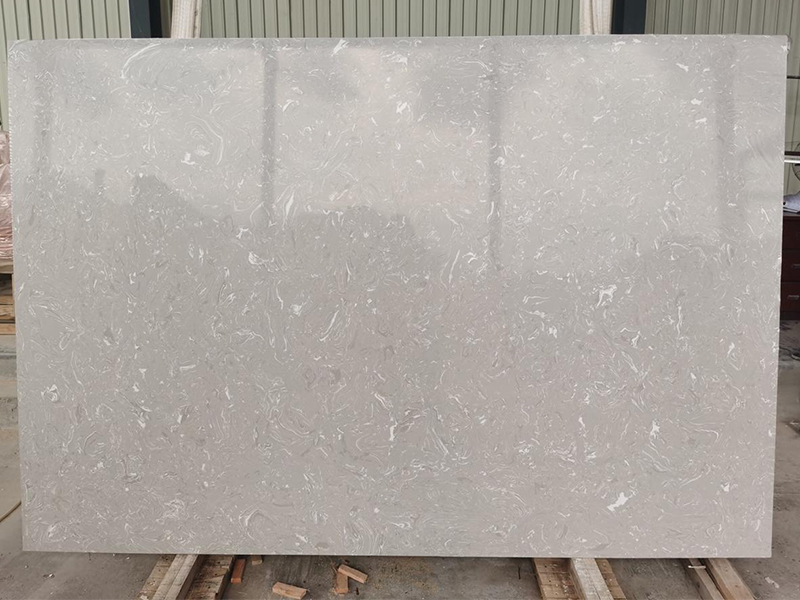
One of its intriguing qualities is the variety of colors and patterns available. Each piece is unique, displaying a blend of hues that can evoke different moods. However, finding the right match for your space requires careful consideration. Missteps in color selection may lead to clashes, so it's essential to visualize the overall effect.
The texture of artificial translucent stone can also be both a blessing and a challenge. While the smooth finish feels luxurious, it may require more maintenance compared to traditional materials. Dust and smudges can easily show, which is something to ponder. Choosing this stone demands a balance between beauty and practicality. It's about understanding how it fits into the demands of everyday life while still making a bold statement.
Advantages of Artificial Translucent Stone in Interior Design
Artificial translucent stone is becoming a popular choice in interior design. Its appeal lies in its unique properties and aesthetic versatility. According to a recent report by the Architectural Stone Institute, the use of this material can enhance transparency and light diffusion, creating a luminous atmosphere in spaces. Designers are drawn to its ability to mimic natural stone while allowing for customized colors and patterns.
One significant advantage is its lightweight nature, making it easier to install compared to traditional stone. This feature can reduce labor costs significantly. Additionally, a study published by the International Journal of Design showed that artificial translucent stone offers high durability, resisting scratches and impact, which are crucial in high-traffic areas. This long-lasting quality not only maintains aesthetic appeal but also minimizes the need for replacements, providing long-term savings.
Despite these benefits, designers should consider integration challenges. Achieving a harmonious balance with surrounding materials can be complicated. The translucent nature of the stone could complicate lighting choices, emphasizing the need for careful planning. Reflecting on these elements will ensure a more cohesive design that maximizes the advantages of artificial translucent stone while minimizing potential drawbacks.
Selecting Suitable Spaces for Artificial Translucent Stone Implementation
Artificial translucent stone can transform various interior spaces. Selecting the right areas for its use is crucial. This material works well in both residential and commercial settings. Consider spaces where natural light is abundant. Lobbies, dining areas, and kitchens often benefit from its unique properties.
Tips: Think about locations that require a focal point. Mount this stone as a feature wall to create an eye-catching centerpiece. Its ability to diffuse light adds warmth and depth to the room. Examining the existing color palette can provide valuable insights for integration.
Pay attention to functionality. High-traffic areas may require more durable finishes. Additionally, think about maintenance. The surface can show scratches more than other materials. Regular cleaning is essential to maintain its appeal. Reflect on the long-term usability when choosing this stone. Its stunning effects can easily overshadow practical considerations.
Color and Texture Options for Artificial Translucent Stone
Artificial translucent stone offers a unique aesthetic in interior design. Its color and texture options are vast, making it suitable for various styles. A report from the Interior Design Industry Association states that 70% of designers prefer using materials that provide both visual appeal and functional brilliance. Translucent stone gives spaces a luminous quality, enhancing light flow.
Color options range from soft pastels to vibrant hues, allowing for personalized design choices. Designers often use light blues and greens for a calming effect. Bold colors can create striking focal points. Regarding texture, smooth surfaces are popular for a sleek look. Textured finishes add depth and interest, often helping to mask imperfections in underlying materials.
Tips: Consider the desired mood of the space. Softer colors create tranquility, while darker shades can add drama. Use samples to visualize how different lighting will affect the stone's appearance. Aim for balance; too many colors might overwhelm a room’s design. Remember, practicality is crucial. Heavy use might reflect wear more obviously due to its translucent nature. Make thoughtful decisions to elevate your interiors with this stunning material.
2026 How to Use Artificial Translucent Stone in Interior Design? - Color and Texture Options for Artificial Translucent Stone
| Color |
Texture |
Application |
Light Transmittance |
| White |
Smooth |
Countertops |
80% |
| Blue |
Veined |
Wall Panels |
70% |
| Green |
Textured |
Bath Fittings |
60% |
| Red |
Matte |
Accent Pieces |
50% |
| Amber |
Glossy |
Lighting Fixtures |
90% |
Techniques for Illuminating Artificial Translucent Stone Features
Artificial translucent stone has gained popularity in modern interior design. It offers an appealing way to enhance spaces. To truly make these features stand out, lighting techniques play a crucial role.
One effective method is backlighting. This technique allows light to shine from behind the stone, creating beautiful, glowing effects. For example, placing LED strips behind a translucent panel can result in stunning aesthetics. Use warm or cool lighting based on the desired mood.
Another method involves spotlighting. Positioning focused lights to illuminate the stone can highlight its texture and color, drawing attention to its beauty, especially in a minimalist setting.
However, choosing the right technique requires careful consideration. Not all spaces are suitable for bright lighting. Excessive brightness may wash out the stone's details. Experimenting with dimmers can help find the perfect balance. In some cases, mixing both techniques achieves dynamic effects. Combining backlighting with spotlights can create layers of light, adding depth and drama to the design, making it a focal point in the room.
Maintenance and Care Tips for Artificial Translucent Stone
Artificial translucent stone can significantly enhance any interior space. To maintain its beauty, proper care is essential. One important tip is to avoid using abrasive cleaners. These can scratch the surface. Instead, opt for a gentle soap solution and a soft cloth for regular cleaning.
Humidity and temperature fluctuations can affect the stone. Ensure proper ventilation in your space. Cleaning spills promptly prevents stains. Even minor spills from dark liquids can leave marks if not addressed quickly. It’s wise to use coasters or trays under drinks to minimize risk.
Over time, artificial translucent stone may require resealing. This process protects its luster and durability. Check for fading or dullness; it’s a telltale sign that resealing is needed. This maintenance step helps retain its elegant appeal. Taking these measures ensures your artificial translucent stone remains a stunning feature in your home.
Maintenance and Care Tips for Artificial Translucent Stone
Innovative Applications of Artificial Translucent Stone in Homes
Artificial translucent stone is increasingly popular in interior design. Its translucent properties enhance the aesthetic appeal of various spaces. Designers utilize this material in innovative ways, such as in lighting fixtures, wall panels, and countertops. According to a 2022 study by the Interior Design Association, the use of translucent materials in homes can increase property value by up to 15%. This trend reflects a shift towards integrating natural light into living environments.
In kitchens, backlit translucent stone can create a stunning visual effect. When used under cabinets, it adds depth and warmth. In bathrooms, these stones can transform ordinary spaces into spa-like retreats. However, it’s essential to consider the maintenance of this material. Some may be prone to scratches and may require specific cleaning solutions.
Tip: Always consult with a professional to choose the right type of translucent stone. Their expertise can prevent costly mistakes. Remember, integrating this material thoughtfully can enhance the overall design. Avoid overwhelming spaces; use it strategically for maximum impact.
FAQS
: It is popular for countertops, wall panels, and decorative features in modern interior design.
It allows light to filter through, creating an ethereal glow that transforms environments.
Yes, each piece is unique, offering various hues that evoke different moods.
Missteps in color can lead to clashes, so visualizing the overall effect is essential.
It requires more upkeep than some traditional materials, as dust and smudges are noticeable.
Backlighting and spotlighting techniques highlight its beauty and create stunning effects in spaces.
Yes, too much light can wash out details, so experimenting with dimmers is important.
Use a gentle soap solution and a soft cloth, avoiding abrasive cleaners that can scratch the surface.
Clean spills promptly and use coasters under drinks to prevent stains from dark liquids.
Resealing protects the stone's luster and durability; fading indicates it may be needed.
Conclusion
Artificial Translucent Stone is gaining popularity in interior design due to its unique characteristics and aesthetic appeal. This versatile material boasts the ability to diffuse light, adding a luminous quality to spaces while offering a wide range of colors and textures. Its advantages include a lightweight structure, durability, and ease of maintenance, making it suitable for various interior applications, from countertops to accent walls.
When selecting spaces for implementation, areas such as kitchens, bathrooms, and living rooms can greatly benefit from the transformative qualities of Artificial Translucent Stone. Effective illumination techniques can enhance its features, creating stunning visual effects and ambiance. Additionally, the stone's innovative applications can elevate home decor, leading to creative designs that showcase its versatility. Proper care and maintenance ensure the longevity of this material, making it an excellent choice for modern interior aesthetics.



 What Did the 24th Shuitou Stone Expo Signal for 2026 Global Stone Sourcing?
 2026 How to Choose Sintered Stone for Global Projects?
 Top Sintered Stone Countertop Manufacturers Worldwide
 China's Five Stone Export Markets in 2026: Korea, ASEAN, the Middle East, the EU, and the US — Ranked