The terrazzo industry is really booming right now. More and more people are looking for materials that aren’t just beautiful, but also eco-friendly — and that shift is driving a lot of the growth. I recently saw a report from Global Market Insights that predicts the terrazzo market could hit over $2.5 billion by 2026. Crazy, right? This surge kind of echoes a bigger trend towards sustainable design, where architects and designers are leaning into terrazzo slabs for both their homes and commercial spaces.
That said, if you're shopping for terrazzo slabs, things can get a bit tricky. There are so many options out there, with differences in quality, manufacturing methods, and styles. Big names like Rudy S.p.A. and Terrazzo & Marble Supply are pretty well-known for their high-quality products, but with so many suppliers popping up, it’s really important to do your homework before choosing. Not every slab out there will meet your durability or aesthetic expectations, so it pays to dig around.
My advice? Take the time to research suppliers and read reviews—they can tell you a lot! And don’t be shy about asking questions. Find out where the materials come from and how sustainable the manufacturing process is. Being a little cautious now will help you make a smarter investment and enjoy your terrazzo for years to come without surprises.

Overview of Terrazzo Slabs: Definition and Composition
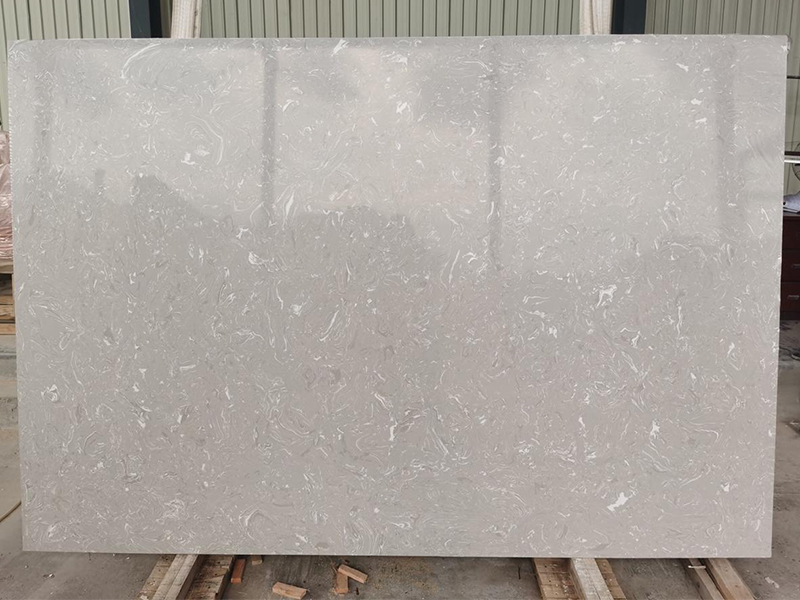
Terrazzo slabs are gaining popularity among architects and designers worldwide. These materials are made from a mixture of marble chips, glass, and cement. The resulting surface is durable and visually appealing. Terrazzo offers endless design possibilities, making it a valuable choice for many projects.
The composition of terrazzo plays a critical role in its appeal. The blend of materials impacts the color and texture. For example, larger marble chips create a more textured look, while finer aggregates lend a smoother finish. Some buyers may overlook the importance of choosing the right composition. This can lead to unsatisfactory results in terms of appearance and durability.
While terrazzo slabs are versatile, they are not perfect. Installation can be complex and may require skilled labor. Additionally, the slabs may require maintenance to keep them looking their best. Buyers should be wary of the potential long-term costs associated with upkeep. Understanding these factors is essential for making informed decisions in 2026.
Current Trends in Terrazzo Slab Design for 2026
In 2026, the world of terrazzo slab design is witnessing exciting transformations. Buyers are now looking for unique patterns that reflect personal styles. Geometric shapes combined with vibrant colors are taking center stage. This trend invites creativity and encourages designers to think outside the box. Textural contrasts also play a crucial role. For instance, smooth finishes paired with rougher materials can create stunning visual dynamics.
Moreover, eco-friendly options are gaining traction. More manufacturers are sourcing sustainable materials for their products. This shift reflects a growing awareness of environmental impact. However, not all options available on the market are reliable. Consumers must research the origins of materials. They should prioritize transparency and ethical practices.
In addition, integrating technology into design processes is becoming common. Digital tools allow for precise customization of terrazzo slabs. Yet, this advancement poses challenges in maintaining craftsmanship. The balance between technology and traditional methods is delicate. It’s essential to reflect on this interplay as the market evolves. This complex landscape offers both opportunities and hurdles for global buyers.
Key Factors Influencing Terrazzo Slab Selection
When selecting terrazzo slabs, buyers must consider several key factors. The aesthetic appeal is paramount. According to industry reports, over 70% of architects prioritize design when choosing materials. The color, size, and finish significantly influence the visual impact of the final installation. Buyers often seek unique patterns that reflect individuality, making the design options essential.
Durability is another critical factor. Terrazzo slabs are known for their resilience. A study by the Global Stone Council indicates that high-quality terrazzo can last over 50 years with proper maintenance. Choosing the right mixture and aggregate ensures longevity. Buyers should also assess the slab's resistance to stains and scratches.
Environmental impact is increasingly relevant for buyers. A report from the International Sustainable Building Council noted that the demand for eco-friendly materials has risen by 30% in recent years. Many buyers prefer slabs made from recycled materials. This trend indicates a shift towards sustainable choices in construction. Ensuring that slabs are both stylish and sustainable may seem challenging, yet it’s a necessary reflection of contemporary values.
Leading Global Markets for Terrazzo Slab Purchasing
As the demand for terrazzo slabs continues to grow, global markets are evolving to meet buyer needs. In 2026, Europe is projected to remain a vital hub. Italy and Spain are known for their high-quality materials. The craftsmanship found in these countries adds a unique charm to the slabs. Buyers often appreciate the integration of traditional techniques with modern design.
Asia is also making significant strides. Countries like India and Vietnam are expanding their production capabilities. The affordability of manufacturing in these regions attracts international buyers. However, there are challenges. Quality control can vary greatly. Some products might not meet the expectations set by European standards. Ensuring reliable suppliers is critical for buyers seeking consistent quality.
The North American market shows rising interest as well. Sustainable practices are becoming a priority. Many buyers now prefer eco-friendly materials. Yet, the supply chain can be unpredictable. Trade regulations and logistics can complicate purchasing decisions. It’s crucial for buyers to consider these factors when seeking the best terrazzo slabs.
Sustainable Practices in Terrazzo Slab Production
The production of terrazzo slabs is evolving. Sustainability is becoming crucial for manufacturers. Eco-friendly materials are replacing traditional ingredients. This change benefits the environment and enhances product appeal.
Using recycled glass, ceramics, and stones significantly reduces waste. These materials add unique aesthetics to each slab. However, sourcing high-quality recycled materials can be challenging. It requires reliable suppliers and careful quality checks. The process isn't always smooth, making it a continuous learning experience.
Moreover, energy consumption during production needs attention. Many manufacturers are exploring renewable energy sources. Solar panels and wind energy are promising options. Yet, the transition to these technologies can be slow and costly. Companies often face budget constraints or regulatory hurdles. Balancing sustainability with economic viability remains a global challenge.
Best Terrazzo Slab for Global Buyers in 2026
This chart illustrates the key sustainability metrics for terrazzo slab production in 2026, highlighting the importance of recycled content, emissions reduction, water usage, and local sourcing practices.
Comparative Analysis of Terrazzo Slab Manufacturers
The global market for terrazzo slabs is evolving rapidly. Buyers in 2026 will need to consider various factors when selecting manufacturers. Quality and durability play crucial roles. Evaluating the composition and finish of terrazzo slabs is vital. Many manufacturers blend different aggregates, which affects appearance and performance. Understanding these nuances helps in making informed decisions.
Brands with years of experience tend to offer better consistency. However, not all seasoned manufacturers maintain high standards. It’s important to research their production processes. Sustainable practices are a growing concern. Some companies still rely on outdated methods, impacting both quality and the environment. Prospective buyers should scrutinize if manufacturers recycle materials or reduce waste.
Price is another factor to weigh. Competitive pricing can indicate a lack of quality. Buyers often fall into the trap of choosing cheaper options. While cost is important, it should not compromise the overall project. Focusing on reliable sources can lead to better investments in the long run. A thorough evaluation of potential suppliers can help mitigate risks.
Future Innovations in Terrazzo Slab Technology and Design
The future of terrazzo slab technology is poised for transformative innovations. Recent reports indicate that the global terrazzo market is expected to reach $10 billion by 2026, driven by advancements in design and sustainability. Consumers are increasingly seeking environmentally friendly materials, pushing manufacturers to explore recycled content in their products.
Emerging technologies in terrazzo fabrication include the use of digital printing. This allows for intricate designs that were not feasible before. The integration of augmented reality (AR) tools enables designers and buyers to visualize slabs in real environments accurately. This interactive experience enhances decision-making in an otherwise static industry.
Yet, challenges remain. Not all manufacturers can adapt quickly to these innovations. Resistance to change could stifle growth. Additionally, sourcing high-quality, recycled materials poses a reliability issue. Buyers must weigh the benefits against potential shortcomings. The success of terrazzo in the coming years may very well depend on overcoming these obstacles while meeting rising consumer expectations.
FAQS
: Europe, especially Italy and Spain, is currently the leading market. These countries offer high-quality materials.
The craftsmanship in Italy and Spain adds unique charm. Traditional techniques blend with modern designs, enhancing appeal.
While India and Vietnam offer affordability, quality control varies. Some products may not meet European standards.
Eco-friendly materials are gaining popularity. Many buyers prioritize sustainable practices, affecting their purchasing decisions.
Innovations like digital printing and augmented reality are transforming designs. They enable intricate designs and better visualization.
Some manufacturers resist adopting new technologies. This resistance could hinder growth and accessibility for buyers.
Finding high-quality recycled materials can be challenging. Buyers need to balance benefits with potential reliability issues.
Reliable suppliers are crucial for maintaining quality. Inconsistent quality can lead to buyer dissatisfaction, prompting re-evaluation.
Rising consumer expectations and the drive for sustainability are key trends. They push manufacturers to innovate continuously.
Buyers must recognize that some innovations may not be fully reliable yet. Evaluating risks is necessary before making decisions.
Conclusion
The article "Best Terrazzo Slab for Global Buyers in 2026" provides a comprehensive overview of terrazzo slabs, highlighting their definition, composition, and current design trends anticipated for 2026. The piece delves into key factors that influence buyer selection, including aesthetics, durability, and cost-effectiveness, while also identifying leading global markets for terrazzo slab purchases. Moreover, it emphasizes the growing importance of sustainable practices in terrazzo slab production, reflecting a shift towards environmentally friendly materials and processes.
The article further explores comparative analyses of various terrazzo slab manufacturers, assessing their offerings in terms of quality and innovation. Future innovations in terrazzo slab technology and design are also discussed, hinting at a vibrant evolution in this sector that prioritizes both functionality and visual appeal. Overall, this assessment serves as a valuable resource for buyers seeking to make informed decisions in the dynamic market of terrazzo slabs.



 What Did the 24th Shuitou Stone Expo Signal for 2026 Global Stone Sourcing?
 2026 How to Choose Sintered Stone for Global Projects?
 Top Sintered Stone Countertop Manufacturers Worldwide
 China's Five Stone Export Markets in 2026: Korea, ASEAN, the Middle East, the EU, and the US — Ranked