Lately, the engineered stone scene in China has been really booming. According to a report from Research and Markets, this market's expected to grow at about 6.5% annually—telling us there's definitely a growing demand for materials that are both tough and good-looking. Big names like LG Sourcing and the China Stone Industry Association are pretty much driving this whole movement and shaping how things unfold.
When you look into how China's manufacturing works, you’ll notice it’s all about innovation and being eco-friendly. More and more companies are trying to use greener methods, probably because consumers are more conscious than ever about the environment. Companies like Sinostone, for example, are really pushing to deliver top-notch products without hurting the planet too much. That said, not everyone’s perfect—the quality can sometimes be inconsistent, which can turn customers off.
Talking to industry folks, you get a mix of opinions. The big guys are pouring money into new tech, while the smaller firms often struggle to keep up or grow. This creates an uneven playing field, leaving some people wondering what the future holds for these smaller players. Honestly, getting a grip on these shifts is pretty important if you’re thinking about jumping into the Chinese engineered stone market or just want to understand how it all works behind the scenes.

Top Engineered Stone Manufacturers in China: An Overview
The engineered stone market in China is rapidly growing. Industry reports indicate a compound annual growth rate (CAGR) of about 6.5% over the past five years. This growth reflects a rising demand in construction and interior design sectors. Engineered stone is known for its durability and aesthetic appeal, making it a popular choice in various applications, from countertops to flooring.
Many manufacturers in China focus on innovative production techniques. They utilize advanced mixing and curing processes to create high-quality products. There are concerns regarding environmental impacts, however. Some production methods may not meet international sustainability standards. It's crucial for buyers to consider these factors when choosing suppliers.
Quality control is paramount in this industry. Reports show that about 15% of products fail to meet standard specifications. This highlights the need for strict quality assurance systems among manufacturers. Ongoing inspections and certifications can ensure consistency. Potential clients must ask about these certifications before committing. The industry is evolving, yet challenges remain.
Top Engineered Stone Manufacturers in China: An Overview
| Manufacturer Type |
Annual Production Capacity (tons) |
Export Markets |
Establishment Year |
Certifications |
| Large Scale Manufacturer |
100,000 |
North America, Europe, Asia |
1998 |
ISO 9001, CE |
| Medium Scale Manufacturer |
50,000 |
Europe, Australia |
2005 |
ISO 9001 |
| Small Scale Manufacturer |
10,000 |
Domestic, Southeast Asia |
2015 |
CE |
| Family-owned Business |
5,000 |
Domestic |
2010 |
Local Quality Certification |
Market Share Analysis of Key Engineered Stone Producers in China
The engineered stone market in China has witnessed significant growth. Various manufacturers are emerging, each with unique offerings. In this competitive landscape, understanding market shares is crucial for suppliers and buyers alike.
Recent analyses reveal that a few key players dominate the market. These manufacturers excel in quality, production capacity, and innovation. Their ability to adapt to changing trends impacts their market presence. However, some smaller companies struggle to keep up with these demands. While they have potential, challenges exist in scaling operations and maintaining quality.
Consumer preferences shift frequently, pushing manufacturers to innovate. This ongoing evolution creates opportunities and risks simultaneously. Brands must stay informed about market dynamics. Research and development can drive success, but it requires careful investment. Balancing production efficiency and quality assurance is essential, yet many companies find it challenging to achieve this balance.
Innovative Technologies in China's Engineered Stone Manufacturing
China's engineered stone manufacturing has seen remarkable advancements in recent years. Innovative technologies are reshaping production processes. Automation plays a crucial role in enhancing efficiency. With about 25% of factories adopting robotic systems, production lines have become faster and more precise.
Another critical development is the introduction of advanced mixing technologies. These systems improve the consistency and quality of engineered stone products. A recent industry report indicates that over 30% of leading manufacturers have invested in these technologies. This helps in reducing material waste and lowering production costs.
Sustainability is also a vital concern. Many manufacturers strive to reduce their carbon footprint. Some companies are adopting eco-friendly raw materials, aiming for a circular economy. However, challenges remain. Balancing production efficiency and environmental responsibility is not easy. Continuous improvement is necessary to meet both market demands and sustainability goals.
Sustainability Practices in Leading Chinese Engineered Stone Companies
Sustainability is a crucial focus for leading engineered stone manufacturers in China. These companies are increasingly adopting eco-friendly practices. The use of recycled materials is one key strategy. By integrating post-consumer waste, they reduce their environmental footprint. This approach not only lessens landfill waste but also promotes resource conservation.
Tips for evaluating sustainability: Research the percentage of recycled materials in products. Also, inquire about energy sources used in production. Transparent companies often share this information.
Another important aspect involves water usage and management. Innovative companies utilize closed-loop water systems. This process recycles water, minimizing waste. However, not all manufacturers adopt these methods. It’s vital to ask about water usage efficiency directly when considering a purchase.
One reflection on this growth is the need for regulatory oversight. While many companies aim to improve sustainability, not all practices are transparent. A careful examination of their claims can lead to better-informed decisions. Always seek verification of sustainability credentials through certifications or third-party reports.
Comparative Quality Assessment of Top Engineered Stone Brands
When considering engineered stone products, quality varies significantly among manufacturers. The composition of raw materials, production techniques, and design innovations play a crucial role in determining the final quality of the stone. Each manufacturer adopts distinct processes, which contribute to differences in durability, aesthetic appeal, and maintenance requirements. A detailed evaluation of these factors is essential for prospective buyers.
Some brands excel in producing stones with exceptional scratch resistance and heat tolerance. However, others may compromise on these aspects, prioritizing visual appeal over durability. Not all products meet the same standards, and defects can occur. It's important to scrutinize warranties and after-sales support when assessing a brand’s reliability. Users often find themselves reflecting on their experiences, balancing beauty against performance. Furthermore, inconsistent quality across batches can surprise even seasoned buyers, indicating the need for thorough research.
Customer reviews and product certifications provide insights into each brand’s credibility. Engaging with experts or visiting showrooms can also enhance understanding. Ultimately, a well-rounded assessment involves looking closely at all available data. Quality is not only about the stone itself but also about the entire purchasing experience and long-term satisfaction.
Future Trends in China's Engineered Stone Industry According to Experts
The engineered stone industry in China is on the brink of significant transformation. Experts predict that advancements in technology will drastically improve production efficiency. By 2025, the market is projected to grow by 15% annually. This growth is fueled by increased demand for sustainable construction materials.
Sustainability is a key focus. Manufacturers are exploring eco-friendly materials and production techniques. A report by the China Stone Industry Association highlights that over 60% of companies are actively researching greener alternatives. However, only a handful have successfully implemented these methods at scale. Challenges remain in sourcing raw materials that meet environmental standards.
Consumer preferences are shifting towards customized designs. Many buyers now seek unique aesthetics in their engineered stone products. This demand may prompt manufacturers to adopt more innovative design technologies. Adaptability could become crucial for staying competitive. Yet, not all manufacturers are ready to embrace this change. This gap may impact their market positions in the coming years.
Export Statistics and Global Reach of China's Engineered Stone Manufacturers
The engineered stone industry in China has seen rapid growth in recent years. According to recent statistics, the country's exports of engineered stone products have surged by over 25% annually. This can be attributed to increased demand from global markets, particularly in North America and Europe. Manufacturers are now focusing on quality and innovation, emphasizing sustainability and design.
Tips: Always check for certifications. Ensure the materials meet international standards.
Chinese manufacturers dominate the engineered stone sector. They account for about 35% of the global market share. With advanced technology and competitive pricing, they have established a solid reputation overseas. However, some experts caution that quality may vary significantly among producers. Rigorous testing and consumer feedback are essential for making informed purchasing decisions.
Tips: Consider sourcing samples. This helps assess quality before bulk buying.
A shift towards eco-friendly options is notable. Many manufacturers are investing in sustainable practices. Approximately 15% of production now utilizes recycled materials. However, challenges remain in balancing cost efficiency with environmental impact. Continuous improvement is necessary for long-term success in this evolving market.
FAQS
: Leading companies focus on using recycled materials and energy-efficient production methods.
Innovative manufacturers use closed-loop water systems to recycle and minimize water waste.
Check the percentage of recycled content and inquire about energy sources.
Exports have increased by over 25% annually, particularly in North America and Europe.
About 15% of production now incorporates recycled materials.
Consider sourcing samples and always check for necessary certifications.
Not all companies practice transparency, making verification essential for informed decisions.
Balancing cost efficiency with environmental impact remains a significant challenge.
Look for certifications or third-party reports to confirm their claims.
Quality may vary significantly among producers, requiring careful evaluation.
Conclusion
The article "Top Engineered Stone Manufacturers in China: What to Know?" provides a comprehensive overview of the leading engineered stone manufacturers in China, highlighting their market share and the competitive landscape. Key insights include an analysis of innovative technologies adopted by these manufacturers to enhance production efficiency and product quality.
Additionally, the article discusses sustainability practices employed by notable companies within the industry, reflecting a growing commitment to environmentally friendly manufacturing processes. A comparative quality assessment of top engineered stone brands is presented, offering a glimpse into how these companies maintain their standards. Looking ahead, experts predict future trends in China's engineered stone industry, showcasing the potential for growth and expansion in both domestic and international markets, supported by export statistics that underline the global reach of Chinese engineered stone manufacturers.



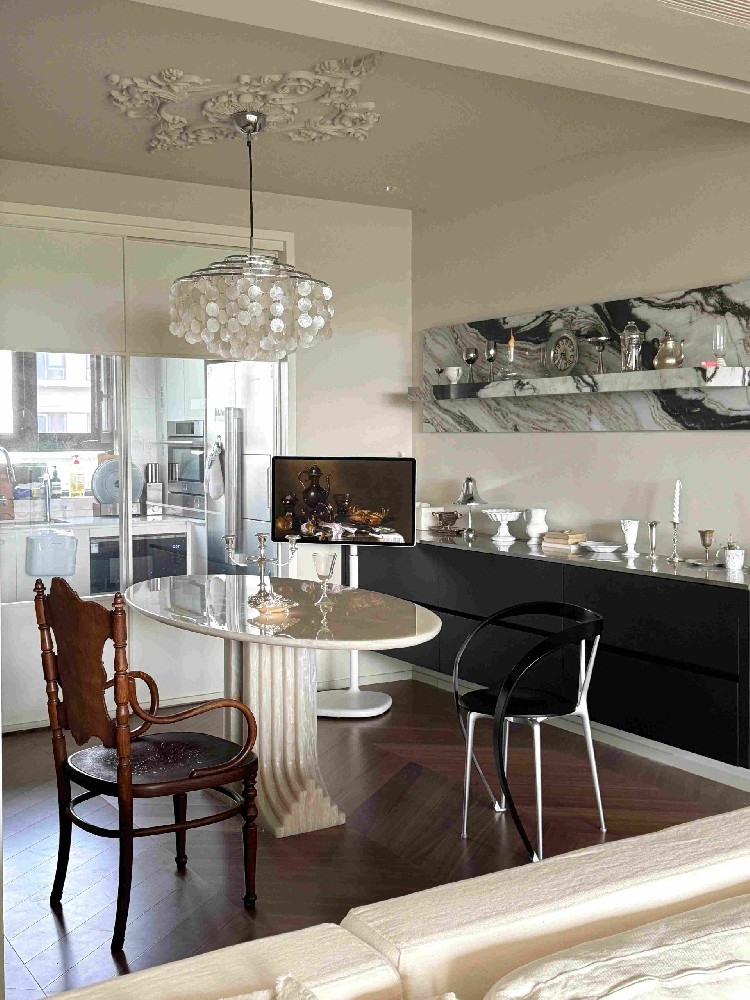 What Did the 24th Shuitou Stone Expo Signal for 2026 Global Stone Sourcing?
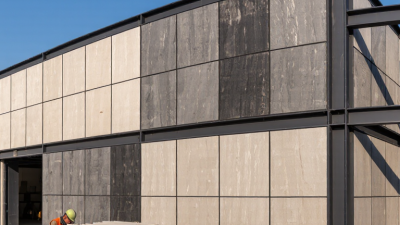 2026 How to Choose Sintered Stone for Global Projects?
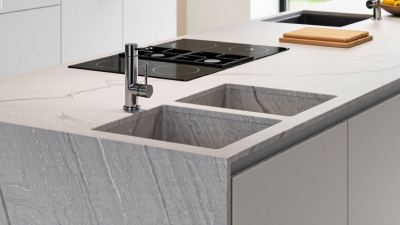 Top Sintered Stone Countertop Manufacturers Worldwide
 China's Five Stone Export Markets in 2026: Korea, ASEAN, the Middle East, the EU, and the US — Ranked