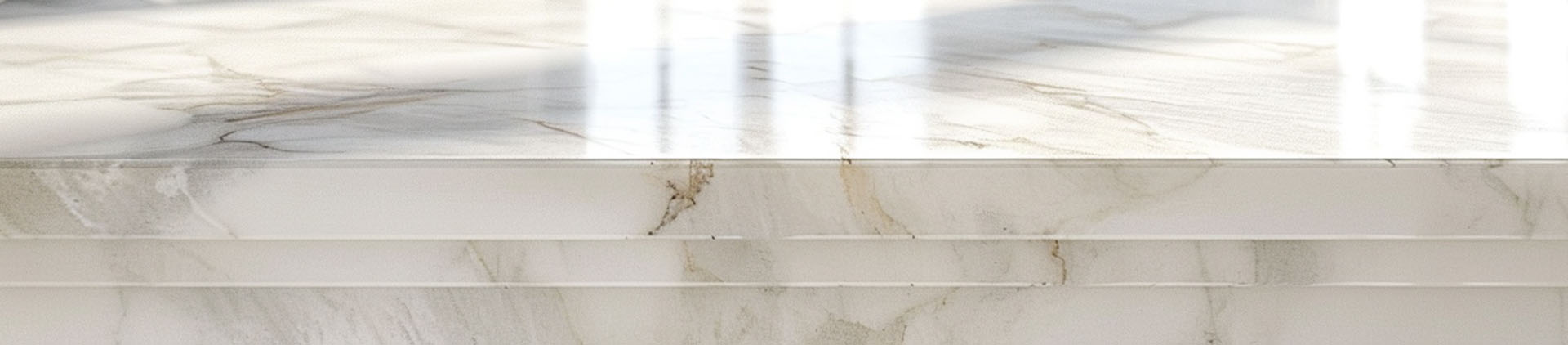
Lately, you've probably noticed how Artificial Marble Blocks are really making a splash in the construction world. I came across this cool report from the Global Stone Association, and it turns out that demand for artificial stone has shot up by about 25% over the past five years. It’s pretty exciting because it shows how building materials are leaning more and more toward being sustainable and still looking good.
Dr. Emily Chen, who’s pretty much a go-to expert when it comes to stone materials, mentioned something I think hits the nail on the head: 'Artificial Marble Blocks blend beauty with durability.' That’s a nice way of saying they’re not just about looks—they’re tough enough to last. And since these blocks can mimic natural stone really well, they’re turning into a pretty solid alternative.
That said, not all manufacturers are playing it straight. There’s still some worry about consistent quality and what kind of environmental impact these products have. As technology keeps advancing, it’s more important than ever to push for stricter testing and proper certifications. After all, making sure we get high-quality stuff is key to the industry’s growth and keeping people’s trust.

Table of Contents [Hide]
1 Benefits of Artificial Marble Blocks in China
2 Applications of Artificial Marble in Architecture and Design
3 Sustainability and Environmental Impact of Artificial Marble
4 Comparative Analysis: Artificial vs. Natural Marble
5 Manufacturing Process of Artificial Marble Blocks in China
6 Market Trends and Future Prospects for Artificial Marble
7 Key Players in the Chinese Artificial Marble Industry

Artificial marble blocks have gained significant traction in China due to their numerous benefits and applications. These synthetic materials, often made from crushed stone and resin, are durable and versatile. According to a recent market analysis, the demand for artificial marble in China is expected to grow by over 10% annually. This growth reflects a broader trend toward affordable but high-quality materials in construction and design.
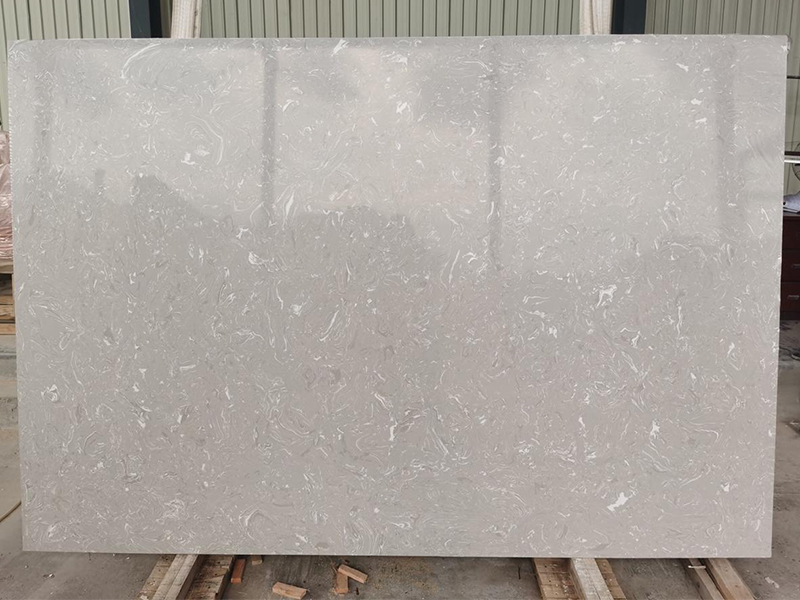
One major advantage of artificial marble is its aesthetic versatility. Unlike natural stone, artificial options can be produced in a variety of colors and patterns. Homeowners and designers can achieve the desired look without the high costs associated with natural stone. Moreover, these blocks are often lighter than their natural counterparts, making them easier to transport and install. This can lead to lower overall construction costs.
While the benefits are clear, there are nuances to consider. Some artificial marbles may not age as gracefully as natural stone. In high-traffic areas, they can show wear more quickly. Additionally, concerns about environmental impact arise from the production processes. There is a need for companies to seek sustainable practices in creating these materials. Balancing quality, cost, and sustainability will be key for the future of artificial marble in China.
Artificial marble has become a key material in architecture and design. Its versatility makes it ideal for various applications. According to a recent market analysis, the artificial marble industry in China is projected to grow by 6% annually. This growth reflects increasing demand for sustainable and aesthetically pleasing materials.
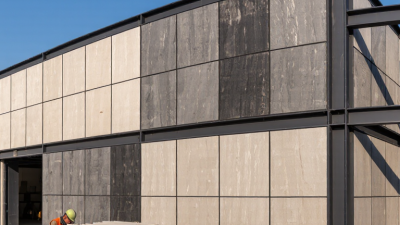
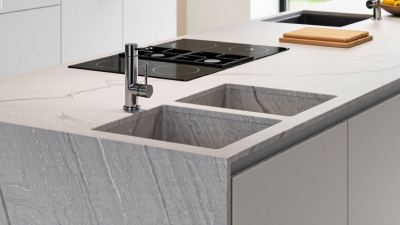
In modern architecture, artificial marble is often used for countertops, flooring, and wall cladding. Its seamless appearance enhances the visual appeal of spaces. Additionally, its resistance to stains and scratches adds practicality. Designers appreciate the variety of colors and patterns available. Over 70% of architects favor artificial marble for its cost-effective nature and durability.
However, there are challenges. Some products may lack the aesthetic depth and natural variation found in real stone. This can lead to a synthetic feel in high-end projects. Moreover, a portion of consumers remains unaware of the environmental impact. To promote sustainable choices, it's essential to educate while balancing aesthetics and practicality. This reflection is vital for the industry to grow responsibly.
Artificial marble offers numerous benefits, particularly regarding sustainability. Unlike natural stones, it is made from recycled materials. This process reduces waste and minimizes the extraction of natural resources. Imagine a world where beautiful surfaces are created without harming the environment. Each block of artificial marble represents a step towards eco-friendliness.
The production of artificial marble can have downsides, though. Some manufacturing processes consume significant energy. Additionally, not all artificial marbles are created equal in terms of environmental impact. It’s essential to choose options with lower carbon footprints. As consumers, we should ask questions about production methods. How are these materials sourced? Are they truly sustainable?
Artificial marble's versatility in applications is impressive. It can be used in countertops, flooring, and decorative pieces. These uses provide an aesthetic appeal while promoting a responsible approach to design. However, awareness of the entire lifecycle is crucial. From production to disposal, each stage has implications. We must reflect on how our choices influence the planet.

The choice between artificial and natural marble is crucial for many industries. Artificial marble, often made from polymer resins and natural stone powders, offers unique advantages. It can be engineered to mimic the appearance of natural marble while boasting enhanced durability. According to a recent industry report, around 70% of architects now prefer artificial marble due to its versatility and cost-effectiveness.
Natural marble possesses an elegance and uniqueness that artificial options strive to replicate. However, sourcing natural marble can accelerate quarry depletion. Studies show that marble quarrying contributes to over 15% of environmental degradation in certain areas. In contrast, artificial marble can be produced with a smaller environmental footprint, although concerns about the longevity of synthetic materials persist.
Beyond aesthetics, artificial marble is often easier to maintain. Its non-porous nature makes it resistant to stains and bacteria. Yet, the initial perception of quality can deter some consumers. A survey revealed that 45% of customers still view natural marble as the superior choice. Balancing the benefits of both types remains a challenge for professionals in the field.
The manufacturing process of artificial marble blocks in China is intricate and multi-faceted. High-quality raw materials, such as crushed stone, resin, and pigments, are sourced locally. This ensures that the products meet stringent quality standards, which is critical given the industry's rapid growth rate of 7.5% annually, according to recent market analyses.
The mixing and molding process requires precision. Raw materials are blended in a controlled environment to achieve a specific texture and color. Then, the mixture is poured into molds and subjected to high pressure. This process can lead to inconsistencies if not closely monitored. Data shows that about 15% of batches may require rework due to minor imperfections in texture or color.
After curing, the blocks undergo polishing to enhance their shine and durability. This is where quality control is essential. However, even experienced manufacturers face challenges in achieving uniformity across batches. Some blocks may have slight variations in appearance, which can affect market perception. Reports indicate that buyers prioritize consistency, making this aspect a critical point for manufacturers to address.
Artificial marble is gaining popularity in various sectors. Its aesthetic appeal, durability, and cost-effectiveness make it a favored choice. The market is witnessing rising demand in both residential and commercial applications. Designers and architects love this material for its versatility.
Future trends indicate growth in eco-friendly options. Manufacturers are exploring sustainable materials to create artificial marble. This shift aligns with global sustainability goals. However, the challenge lies in balancing quality with environmental concerns. Some products may not meet durability standards. Consumers are becoming more discerning, seeking high-quality finishes.
As new technologies develop, the artificial marble market will evolve. Innovations in production processes can enhance the material’s properties. Yet, there is a risk of over-saturation in the market. Excess options may confuse buyers. Companies must focus on educating consumers about the benefits and applications to stand out.
The Chinese artificial marble industry is growing rapidly. Several key players shape this market. They focus on innovative designs and sustainable practices. This has led to improved product quality and a wider range of applications. Many companies emphasize their environmental commitment, using recycled materials in their production processes.
However, competition is fierce. Companies often face challenges related to supply chain management. Fluctuating raw material prices can impact profitability. Some players may overlook the importance of marketing strategies. As a result, potential customers might not recognize their brand. This highlights the need for better brand visibility and consumer engagement.
Additionally, the industry's future depends on technological advancements. Manufacturers are investing in new machinery and techniques. This can enhance production efficiency and reduce waste. Yet, not all companies are keeping pace with these changes. Some may need to rethink their approaches. A proactive mindset can drive growth and innovation in this evolving market.

: What materials are used in artificial marble production?
: High-quality crushed stone, resin, and pigments are commonly sourced locally for artificial marble.
Why is precision important in the mixing process?
What happens if batches of artificial marble have imperfections?
How is quality control maintained during polishing?
What trends are emerging in the artificial marble market?
Are consumers becoming more selective about artificial marble?
What risks does market saturation pose for artificial marble producers?
How do marketing strategies impact brand visibility?
What role does technology play in the artificial marble industry?
What challenges do manufacturers face with raw material prices?
The article "China Top Artificial Marble Blocks Benefits and Applications Explained" delves into the numerous advantages of Artificial Marble Blocks, highlighting their versatility and aesthetic appeal in various architectural and design applications. With a focus on sustainability, the article assesses the environmental impacts of artificial marble compared to natural marble, showcasing its eco-friendliness and reduced carbon footprint.
Additionally, the manufacturing process of Artificial Marble Blocks in China is explored, shedding light on advanced techniques that enhance quality and durability. Furthermore, the article analyzes current market trends and future prospects for artificial marble, emphasizing its growing popularity and demand in the construction sector. Overall, Artificial Marble Blocks represent a competitive and sustainable choice in modern architecture, merging innovation with style.
Best Translucent Quartz Slabs to Discover at China Import Expo?
China Top Artificial Marble Blocks Benefits and Applications Explained
Distinctiveness of Artificial Marble
The Difference Between Natural Marble And Artificial Marble