Lately, Nano Stone Slabs are really making waves in the world of construction and design. I came across a recent report from Stone Tech Insights that says the market for engineered stone surfaces—like Nano Stone—is on track to hit around $15 billion by 2025. Pretty impressive, right? A big part of why these slabs are gaining popularity is because they’re durable, look fantastic, and don’t require much upkeep. Honestly, they just tick a lot of boxes!
Dr. Emily Carter from Advanced Materials Corp. put it pretty well when she said, ‘Nano Stone Slabs are changing the game when it comes to surface materials.’ And she’s right—these slabs have some pretty cool benefits, making them suitable for both homes and commercial spaces. Plus, their toughness makes them a top pick for areas with a lot of foot traffic. But, a quick heads-up—installation and costs are things you’ll want to think about. Even though Nano Stone Slabs come with lots of perks, choosing high-quality materials is super important.
If you’re curious about what makes Nano Stone Slabs so special, looking at the top 10 benefits is a great start. There’s a lot of innovation and practicality packed in there. Just keep in mind, understanding the ins and outs of the material can really help you get the most out of it for your project.

Features of Nano Stone Slabs: A Comprehensive Overview
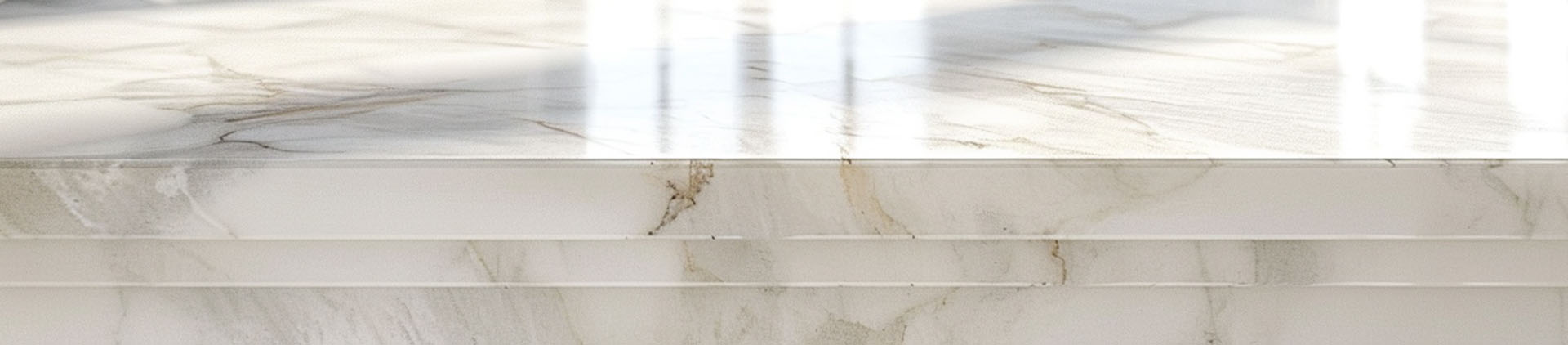
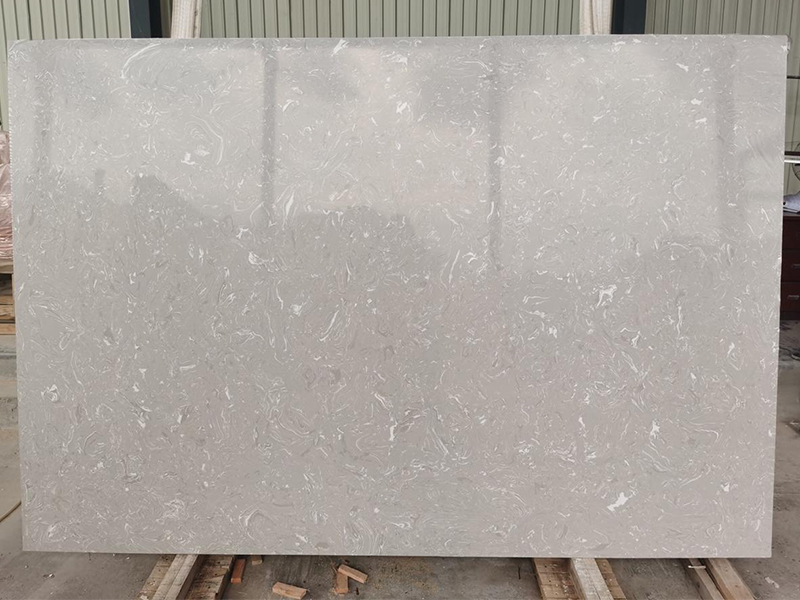
Nano stone slabs are revolutionizing the construction and design industry. These slabs are known for their unique properties, combining aesthetics and functionality. With the right mixture of natural minerals and resins, nano stone slabs can achieve a glossy finish that mimics natural stones. This makes them highly desirable for both residential and commercial projects.
One of the standout features is their resistance to stains and scratches. According to a report by the International Journal of Material Science, nano stone displays a significantly lower permeability compared to traditional stone materials. This resistance enhances their durability, making them less prone to wear over time. In fact, studies indicate that the lifespan of a nano stone slab can exceed that of granite or marble by up to 30%.
Moreover, the versatility of nano stone slabs cannot be overlooked. They come in a range of colors and patterns, allowing for creative designs that cater to diverse tastes. However, the installation process may require specialized training. Not all contractors are familiar with the best practices, which can lead to imperfections in the final product. It’s essential for project managers to ensure that installers possess the necessary expertise to avoid potential issues later on.
Durability and Strength: Why Nano Stone Surpasses Traditional Materials
When it comes to durability, nano stone slabs stand out against traditional materials. These slabs are engineered using advanced technology that enhances their strength. Unlike conventional stone, they resist scratches and impact better. This makes them an ideal choice for high-traffic areas. Homeowners and designers often need reliable materials that withstand wear over time.
A remarkable feature of nano stone is its resistance to moisture and stains. This quality helps maintain a polished look for years. In contrast, other materials may absorb liquids, leading to discoloration. Users might find themselves frequently cleaning or replacing them. Nano stone slabs offer lasting solutions, minimizing maintenance efforts in the long run.
While the benefits are clear, some may still hesitate. The initial investment can be higher than traditional options, causing worries about budget. However, considering longevity and reduced upkeep, the choice becomes more prudent. The strength and resilience of nano stone slabs clearly outweigh the drawbacks, offering a compelling case for their use in various projects.
Top 10 Benefits of Using Nano Stone Slab in Your Projects
Aesthetic Appeal: The Design Versatility of Nano Stone Slabs
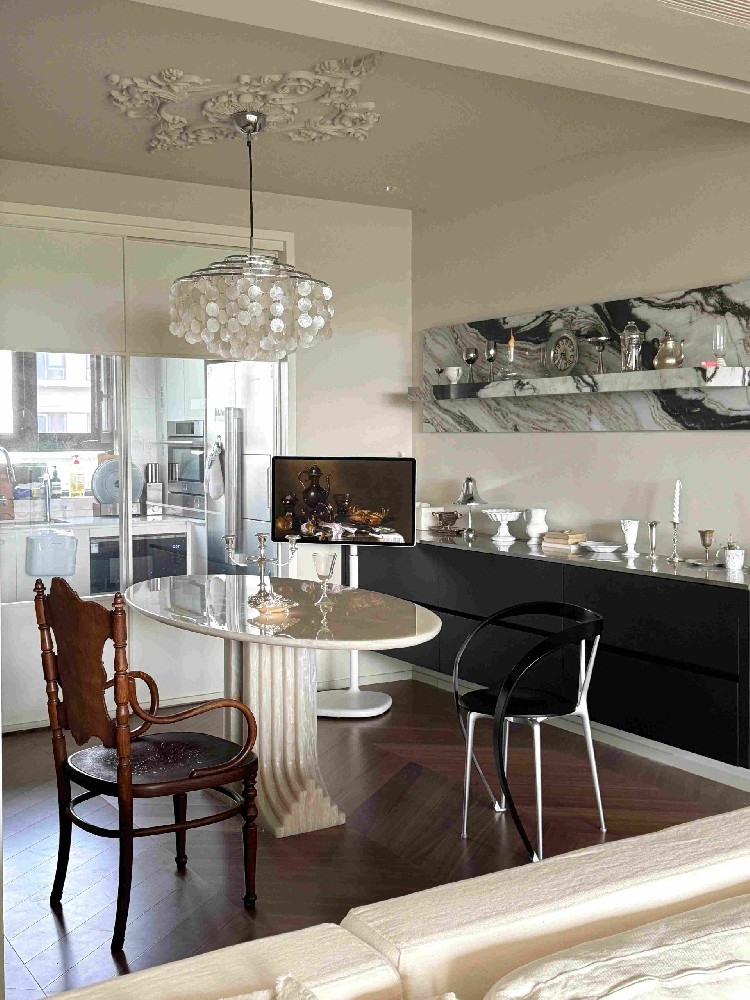
Nano stone slabs offer remarkable design versatility, making them a popular choice for numerous projects. Their aesthetic appeal is evident in various settings, ranging from modern kitchens to elegant bathrooms. These slabs come in a wide range of colors, patterns, and finishes, allowing designers to create custom looks. Whether you seek a sleek, polished surface or a more textured appearance, nano stone can meet diverse style preferences.
One notable aspect of nano stone slabs is their ability to mimic other materials. For instance, they can emulate the appearance of natural stone or even wood while offering superior durability. This characteristic enables architects and designers to achieve unique looks without compromising on functionality. However, it’s essential to consider the weight and installation requirements. Heavy slabs may pose challenges during setup and require skilled labor for proper placement.
The reflective quality of nano stone creates a bright and inviting atmosphere. This can enhance small spaces, making them feel larger. On the downside, maintenance involves specific cleaning agents to avoid scratches. Even with care, the surface can show wear over time, leading to a need for periodic refinishing. Balancing aesthetics with practical concerns is crucial when selecting nano stone for your next project.
Low Maintenance Requirements: Simplifying Care for Your Projects
When considering materials for construction projects, nano stone slabs stand out for their low maintenance requirements. Unlike traditional stone, they do not require regular sealing. This feature enhances their appeal, especially in high-traffic areas, where wear and tear are evident. According to a recent industry report, over 70% of contractors prefer materials that minimize upkeep. This preference indicates a growing trend toward efficiency and durability in construction.
Furthermore, nano stone slabs are resistant to stains and scratches. Cleaning them typically involves only soap and water. This ease of maintenance can significantly reduce long-term costs. A study from the National Association of Home Builders showed that homeowners could save about 30% in maintenance costs over ten years by choosing low-maintenance materials. However, some users may find that improper cleaning products can still damage the surface. It's essential to research appropriate care methods to avoid costly mistakes in upkeep.
Despite these benefits, some may feel an initial hesitation to transition from traditional materials. Familiarity with older materials can create a comfort barrier, making adoption challenging. It is vital to educate stakeholders about the long-term advantages and the simplicity of caring for nano stone slabs. Embracing this innovative material can revolutionize how spaces are created and maintained, transforming project outcomes while reducing overall stress associated with upkeep.
Environmentally Friendly Aspects of Nano Stone Slabs
The use of nano stone slabs is gaining traction for their environmentally friendly qualities. These slabs are often made from abundant natural materials. This reduces the reliance on limited resources, promoting sustainability. Reports indicate that nano stone production generates fewer carbon emissions compared to traditional stone. A key study suggests a 30% reduction in environmental impact. This data highlights the eco-friendly nature of nano stone slabs.
Moreover, nano stone slabs are non-toxic and free from harmful chemicals. This quality contributes to better indoor air quality, which is crucial for health. Research indicates that materials emitting volatile organic compounds (VOCs) significantly impact residential environments. In contrast, nano stone slabs do not produce these harmful emissions, providing a safer living space.
The durability of nano stone also has an indirect environmental benefit. Their longevity means fewer replacements over time. This leads to less waste generation, which is a growing concern globally. However, while they offer numerous advantages, it's still vital to assess the entire lifecycle of these products. Not all nano stone slabs are created equal, and the manufacturing process can vary widely. Being informed helps make better choices for sustainable projects.
Cost-Effectiveness: Long-Term Value of Using Nano Stone
When considering cost-effectiveness in construction, using nano stone slabs brings significant long-term value. According to industry reports, these slabs reduce expenses related to maintenance and replacement. Traditional materials might need replacement after a few years, while nano stone can last decades with proper care. This durability often translates into lower lifecycle costs, making it a wise investment.
Tips: Always consider the environmental impact. Nano stone slabs are often more eco-friendly than alternatives. They require less energy for production and are often made from sustainable materials. Research suggests that using such materials can reduce the overall carbon footprint of a project.
Nano stone slabs also resist staining and require minimal upkeep. The average cleaning frequency is lower when compared to other surfaces, saving both time and resources. However, not all nano stones are created equal. It's essential to source from reputable suppliers. Inspect specifications and performance data to ensure quality. This diligence can lead to better long-term economic outcomes.
Applications and Use Cases: Where to Implement Nano Stone Slabs
Nano stone slabs are gaining popularity in various construction and design projects due to their versatility. These slabs can be used in countertops, flooring, and wall cladding. Their unique properties make them suitable for both residential and commercial spaces. They are resistant to scratches and stains, making them ideal for high-traffic areas. This durability ensures a long-lasting finish, which is a significant advantage in busy environments.
In kitchens, nano stone slabs elevate aesthetics while offering practicality. Their seamless appearance enhances the visual appeal of countertops. Moreover, they are easy to clean, which is crucial for maintaining hygiene. In bathrooms, these slabs can create luxurious vanities and shower walls. The variety of colors and textures available allows for creative design solutions. Businesses also benefit from using nano stone in lobbies and meeting rooms, as these surfaces convey sophistication and modernity.
However, it’s essential to consider installation challenges. Proper handling and cutting require skilled professionals to avoid potential damage. While the slabs offer many advantages, they also need careful maintenance to minimize air and water exposure. Understanding these factors ensures that projects not only look good but also perform well over time.
FAQS
: Nano stone slabs are versatile materials used in various designs, offering a wide range of colors and finishes.
They can mimic natural stone while providing greater durability, making them an attractive alternative.
They need minimal maintenance, usually just soap and water, unlike traditional materials that require sealing.
Yes, their durability and stain resistance make them suitable for high-traffic spaces.
Their weight can pose installation challenges, requiring skilled labor for proper placement.
Yes, some may feel hesitant due to familiarity with older materials, but education can ease this transition.
Yes, with proper care, they can last decades, reducing long-term replacement costs significantly.
Not all nano stones are the same, so inspect specifications and source from reputable suppliers.
Their reflective quality creates bright atmospheres, making small areas feel larger and more inviting.
Yes, using incorrect cleaning products can lead to scratches or damage, so it's essential to research care methods.
Conclusion
Nano Stone Slabs have emerged as a superior choice in construction and design projects due to their impressive array of features. These slabs boast exceptional durability and strength, significantly outperforming traditional materials and ensuring longevity in various applications. Not only do they provide versatility in design, allowing for stunning aesthetic solutions, but they also require minimal maintenance, making them a practical option for both residential and commercial use.
Additionally, Nano Stone Slabs are environmentally friendly, contributing to sustainable building practices. Their cost-effectiveness translates to long-term savings, as they reduce the need for frequent replacements and repairs. With diverse applications ranging from countertops to flooring and wall cladding, Nano Stone Slabs are becoming increasingly popular among architects and designers looking to enhance their projects with both beauty and functionality.



 What Did the 24th Shuitou Stone Expo Signal for 2026 Global Stone Sourcing?
 2026 How to Choose Sintered Stone for Global Projects?
 Top Sintered Stone Countertop Manufacturers Worldwide
 China's Five Stone Export Markets in 2026: Korea, ASEAN, the Middle East, the EU, and the US — Ranked